
Selecting a soundproof movable wall for a community center is a decision that carries long-term consequences. Unlike office meeting rooms, community centers face higher traffic, varied usage patterns, and stricter acoustic expectations during events, classes, and gatherings. The risk of poor acoustic performance after installation is a real concern, especially when the wall becomes a permanent fixture. This comparison guide is built to help architectural design firms evaluate suppliers with a focus on quotation readiness and project decision risk, ensuring that every choice is backed by verified data rather than marketing claims.
How do you compare soundproof movable wall suppliers for a community center? Start by requesting a detailed quotation that includes the exact opening size, acoustic target (e.g., STC rating), finish preference, and technical drawings. Verify that the supplier offers factory direct support for custom coordination, installation guidance, and after-sales service. Always confirm that the proposed system uses a top-hung track without floor rail to ensure smooth operation and easy maintenance in high-traffic areas. Do not rely on generic brochures; demand project-specific documentation.
Soundproof Movable Wall: Why Community Centers Need a Different Comparison Approach
Community centers are not typical office spaces. They host everything from small workshops to large public events, often with simultaneous activities in adjacent rooms. This means the soundproof movable wall must perform consistently under heavy use, frequent operation, and occasional misuse. The comparison process should prioritize durability, ease of operation, and acoustic reliability, not just initial cost. A wall that fails acoustically after a year of use becomes a liability, affecting the center’s reputation and functionality.
Need help turning the soundproof movable wall requirements into a practical project layout?
Acoustic Performance: Beyond the STC Number
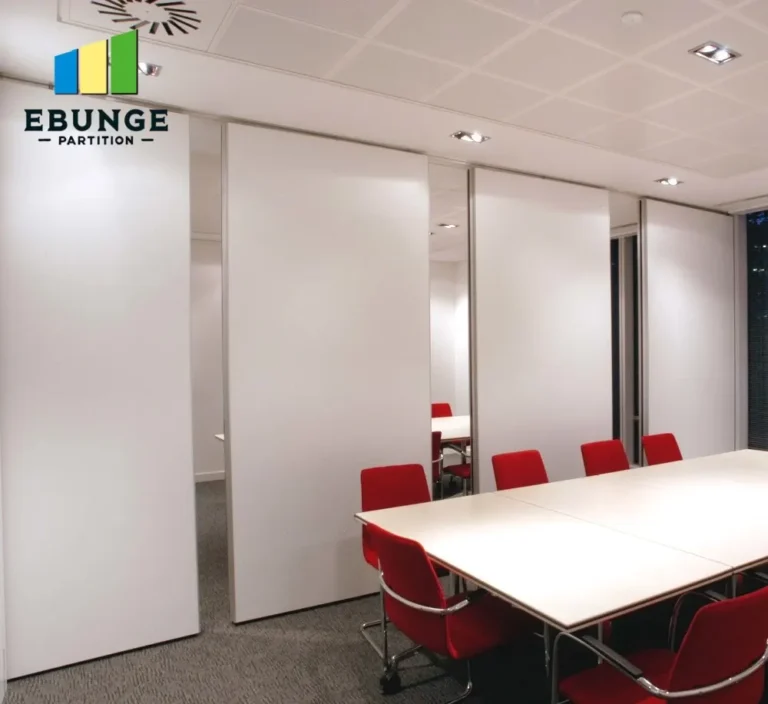
When evaluating soundproof movable wall suppliers, the acoustic performance rating (often STC) is a starting point, but it is not the whole story. For a community center, consider how the wall performs across different frequencies, especially low-frequency sounds like music or bass from events. Ask for test reports that specify the exact construction and installation conditions. Also, understand that the rating is only achievable if the wall is installed correctly, including proper seals at the top, bottom, and vertical joints. A supplier that provides detailed installation drawings and on-site supervision is more likely to deliver the rated performance.
Durability in High-Traffic Areas: Material and Hardware
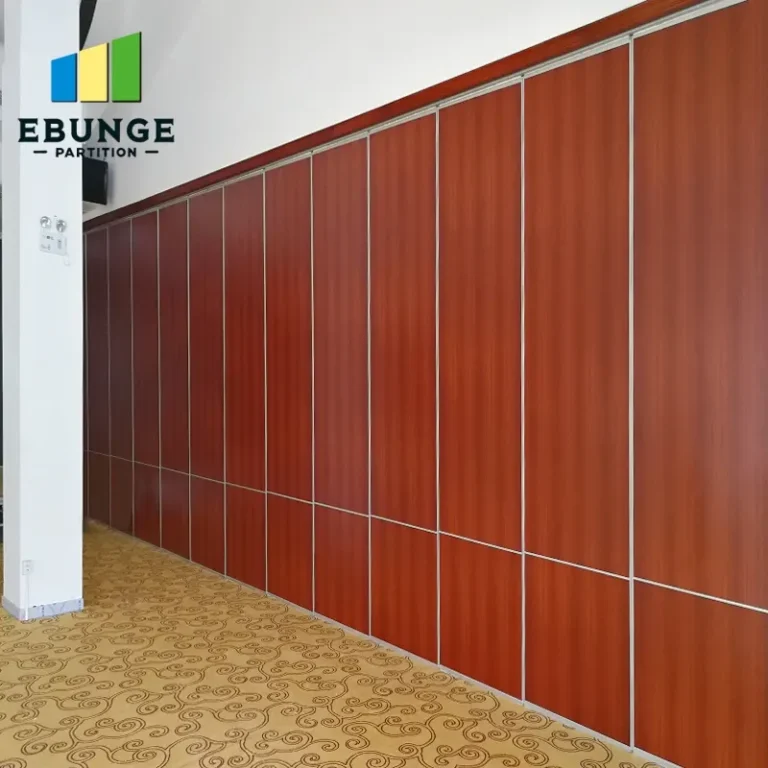
Community centers experience constant movement of people, furniture, and equipment. The wall panels may be bumped, and the track will see frequent use. Evaluate the materials used for the panels, seals, and hardware. Look for impact-resistant surfaces that are easy to clean and repair. The track system should be robust, with a top-hung design that avoids floor rails, which can become trip hazards and collect debris. Ask about the expected lifespan of moving parts and the availability of spare parts.
Ease of Operation: Smooth and Reliable Every Time
If the wall is difficult to operate, users will avoid using it, or worse, they may force it, causing damage. For a community center, the wall should be easy to move and lock into place, even for non-technical staff. Inquire about the operating mechanism: manual or motorized? If motorized, what is the backup in case of power failure? Test the operation if possible, or ask for references from similar installations. A smooth operation reduces wear and tear and ensures that the acoustic seal is consistently achieved.
Maintenance Requirements: Plan for the Long Term
Every movable wall requires some maintenance, but the level varies. For a community center, maintenance should be minimal and straightforward. Ask about the recommended maintenance schedule, what parts need regular attention (e.g., seals, rollers), and the cost of consumables. A supplier that offers a maintenance plan or provides clear guidelines can help you budget accurately. Also, check if the wall can be easily repaired without replacing entire panels, which is crucial in high-traffic environments.
Warranty and Support: What Is Actually Covered?
Warranties can be misleading. Read the fine print to understand what is covered: parts, labor, acoustic performance, or just the structure? For a community center, you need a warranty that covers defects in materials and workmanship for a reasonable period, with a clear process for claims. Additionally, assess the supplier’s support structure. Is there a local representative? What is the response time for service calls? Factory direct support can be a significant advantage, as it ensures that the people who designed the wall are involved in troubleshooting.
Compliance with Building Codes and Accessibility
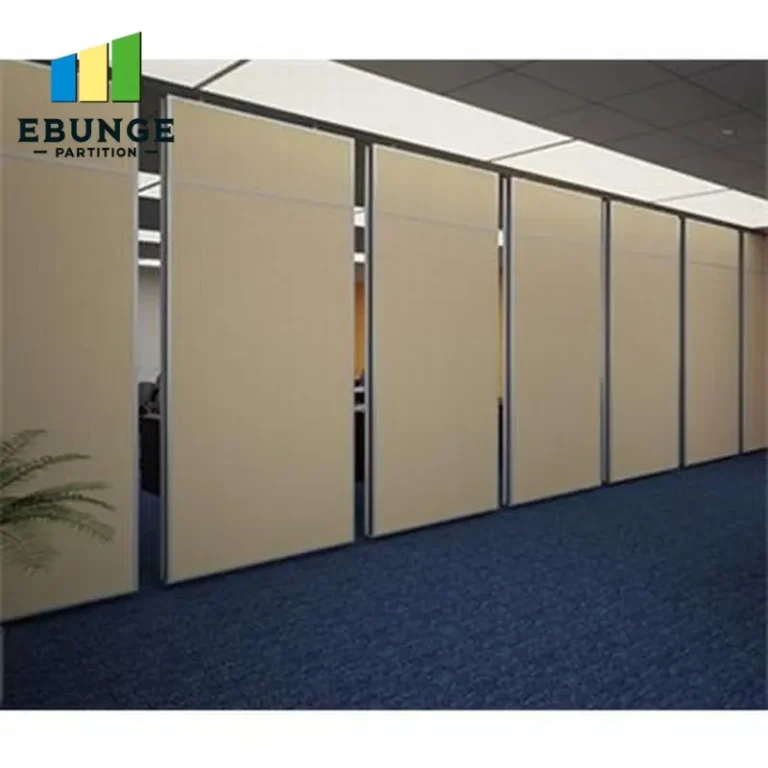
Community centers must comply with local building codes, including fire safety, accessibility, and acoustic requirements. The soundproof movable wall should meet or exceed these standards. Ask for documentation that proves compliance, such as fire ratings and acoustic test certificates. Also, consider accessibility: the wall should not create barriers for people with disabilities. For example, if there is a floor rail, it could be a trip hazard; a top-hung system eliminates this issue. Ensure that the supplier is familiar with local codes and can provide guidance.
Share the opening, drawings, finish direction, and privacy target for a project-specific review.
Quotation Readiness: What to Ask for in Your RFQ
To compare suppliers effectively, you need a detailed and comparable quotation. Prepare a request for quotation (RFQ) that includes the following:
- Exact opening dimensions (width, height, and depth) from architectural drawings.
- Acoustic target (e.g., STC 40-45) based on the intended use.
- Finish preferences (e.g., fabric, wood veneer, or dry erase surface).
- Number of panels, stack size, and operation type (manual or motorized).
- Delivery and installation timelines.
Request that each supplier provide a line-item quotation, including all components, installation, and any additional costs. This will help you identify hidden charges and compare apples to apples.
Comparison Table: Key Criteria to Evaluate
| Criterion | Questions to Ask | Why It Matters |
|---|---|---|
| Acoustic rating | What is the STC rating? Is there a test report? | Ensures the wall meets the required sound insulation. |
| Track system | Is it top-hung without floor rail? | Reduces trip hazards and simplifies maintenance. |
| Panel material | What is the surface material? Is it impact-resistant? | Affects durability and ease of cleaning. |
| Operation | Is it manual or motorized? How easy is it to use? | Impacts user satisfaction and long-term reliability. |
| Maintenance | What is the recommended schedule? Are parts available? | Influences lifecycle costs. |
| Warranty | What is covered and for how long? | Protects your investment. |
| Code compliance | Does it meet local fire and accessibility codes? | Ensures legal and safe operation. |
Factory Direct Support: A Game Changer for Custom Projects
For a community center, the wall is often a custom solution that must fit specific architectural features. Suppliers that offer factory direct support can provide better coordination, as they have direct control over manufacturing and can adapt to changes. They can also offer installation guidance, ensuring that the wall is installed correctly to achieve the rated acoustic performance. When comparing suppliers, ask if they have an in-house engineering team that can review your drawings and provide recommendations.
Realistic Budgeting: Avoiding Costly Surprises
While it is tempting to choose the lowest bid, consider the total cost of ownership. A cheaper wall may require more frequent repairs, have higher maintenance costs, or fail to meet acoustic requirements, leading to expensive retrofits. Create a budget that includes the initial purchase, installation, and projected maintenance over 10 years. Ask suppliers for lifecycle cost estimates. Remember that a well-built soundproof movable wall is an investment in the community center’s functionality.
The EBUNGE Advantage: Top-Hung Track and Custom Coordination
At EBUNGE, we specialize in movable partition walls that are designed for high-traffic environments like community centers. Our systems feature a top-hung track without floor rail, which simplifies operation and maintenance. We work closely with architectural design firms to provide custom project coordination, including detailed drawings, finish selection, and installation guidance. While we do not make unsupported performance claims, our focus on engineering and quality ensures that your project is set up for success. For more information, explore our movable partition wall solutions or read our blogs for insights on partition selection. If you have specific project requirements, contact us to discuss your needs.
Decision-Making Checklist for Your Community Center Project
Before you finalize your supplier, use this checklist to ensure you have covered all bases:
- Have you confirmed the exact opening size and acoustic target?
- Did you request a detailed quotation with line items?
- Have you verified the supplier’s track record with similar community center projects?
- Did you ask for references and visit an existing installation?
- Have you checked the warranty terms and support process?
- Did you confirm that the wall meets all local building codes?
- Have you considered the total cost of ownership, not just the initial price?
Frequently Asked Questions
What is the typical acoustic rating for a soundproof movable wall in a community center?
The required rating depends on the activities and the noise levels. For general community use, an STC of 40-45 is common, but you should determine the target based on your specific needs. Always ask for test reports that match your exact configuration.
How long does it take to install a soundproof movable wall?
Installation time varies based on the size and complexity of the system. It can range from a few days to a couple of weeks. Your supplier should provide a detailed timeline in the quotation, but ensure it is realistic and includes any site preparation.
Can a soundproof movable wall be customized to match the interior design?
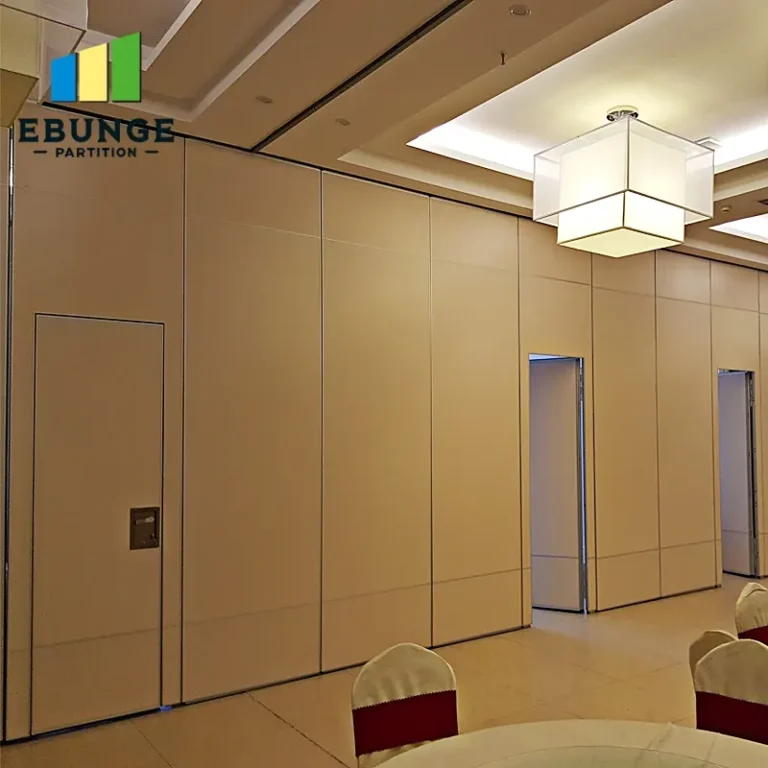
Yes, most suppliers offer a range of finishes, including fabric, wood veneer, and dry erase surfaces. You can also specify custom colors and patterns. Ensure that the finish is durable enough for high-traffic areas.
What maintenance is required for a top-hung track system?
Top-hung systems generally require less maintenance than floor rail systems. You should periodically check the track and rollers for wear, and lubricate moving parts as recommended by the manufacturer. Seals may also need replacement over time.
How do I ensure the wall meets building codes for fire safety?
Ask the supplier for fire test certificates and ensure that the wall is installed according to the manufacturer’s specifications. Local building codes may have specific requirements, so consult with your local authority or a code expert.
In conclusion, comparing soundproof movable wall suppliers for a community center requires a detailed, project-specific approach. By focusing on acoustic performance, durability, ease of operation, and support, you can make an informed decision that minimizes risk and ensures long-term satisfaction. Remember to request comprehensive quotations, verify all claims, and consider the total cost of ownership. With the right supplier, your community center can enjoy the flexibility and acoustic comfort it needs for years to come.
Send the opening size and drawings to discuss a differentiated soundproof movable wall solution.