
When your architectural design firm specifies a partition wall system for a training center, the comparison process is not just about product brochures. It is about aligning quotations with project drawings, acoustic targets, and long-term operational realities. This guide focuses on the critical factors that influence decision risk, especially when the goal is to avoid poor acoustic performance after installation. We will walk through a structured approach to comparing suppliers, from initial inquiry to final contract, ensuring that your training center project meets both functional and budgetary requirements.
Direct answer: To compare partition wall system suppliers for a training center, you must first define your project’s opening sizes, acoustic performance targets (e.g., Rw dB rating), and finish preferences. Request detailed quotations that include shop drawings and factory direct support. Verify that the supplier offers a top-hung track system without floor rail, which simplifies installation and maintenance. Evaluate each supplier’s warranty terms, lead times, and compliance with acoustic standards. Use a weighted scoring matrix to objectively compare proposals, and always confirm exact values from project documents before making a decision.
Why Training Centers Demand a Different Partition Comparison Approach
Training centers are high-traffic environments where acoustic separation is crucial for concentration and communication. Unlike typical office partitions, these spaces often require flexible layouts to accommodate various training formats, from lectures to group work. The partition wall system must be durable, easy to operate, and acoustically reliable. A common pain point is that after installation, the actual acoustic performance may fall short of expectations, leading to costly retrofits. Therefore, the comparison must go beyond initial product specifications and delve into the supplier’s ability to deliver on project-specific requirements.
Need help turning the partition wall system requirements into a practical project layout?
Step 1: Define Your Project Requirements Before Contacting Suppliers
Before you even start comparing suppliers, you need a clear specification. This includes the exact dimensions of openings, the desired acoustic rating (such as Rw 45 dB or higher, depending on the training activity), and the finish preferences (e.g., whiteboard surface, tackable fabric, or glass). Also, consider the frequency of operation and the need for soundproofing between simultaneous sessions. Document these requirements in a request for quotation (RFQ) to ensure all suppliers are quoting on the same basis.
Step 2: Evaluate Acoustic Performance Claims with Evidence
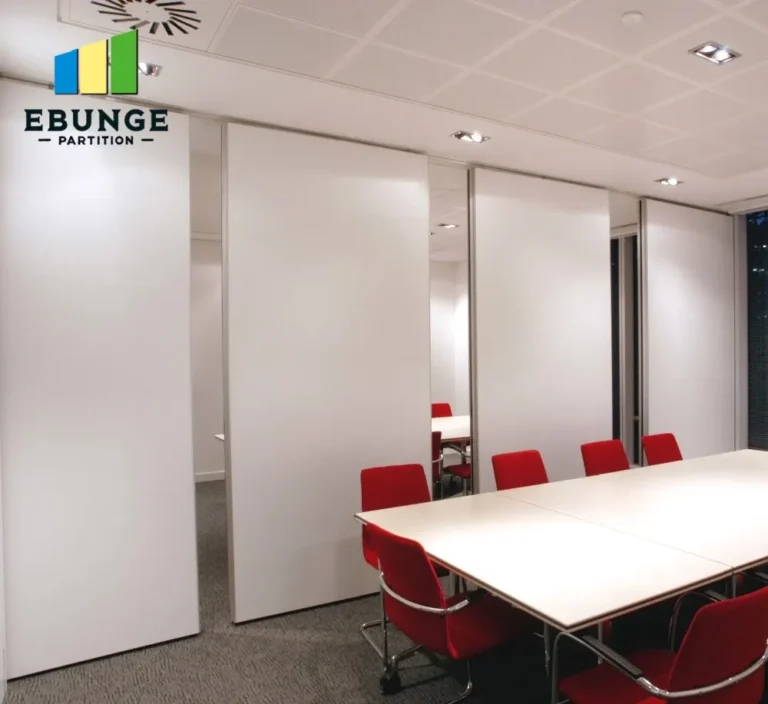
Acoustic performance is a key differentiator, but claims must be substantiated. Ask suppliers for acoustic test reports from accredited laboratories, and check if the reported values are for the exact configuration you intend to use. For example, a partition wall system with a single glazing may have a different Rw rating than one with double glazing. Also, inquire about the sealing mechanisms—perimeter seals and bottom drop seals are critical for achieving the rated performance. In a training center, the acoustic target should be based on the specific training activities, such as language classes or music rehearsals, which may require higher sound insulation.
Step 3: Assess Durability and Maintenance for High-Traffic Use
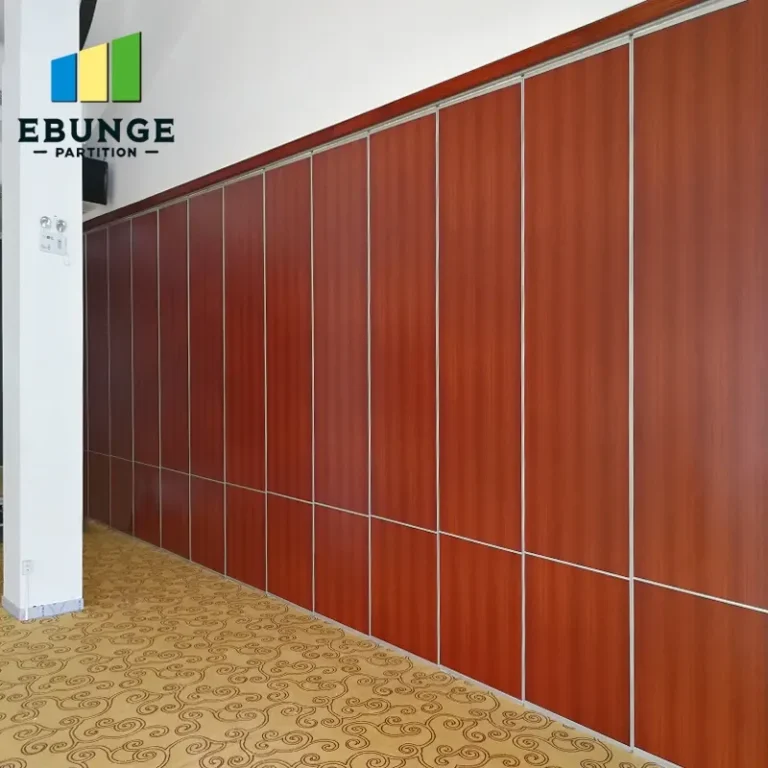
Training centers see constant movement of people and furniture. The partition wall system must withstand frequent operation without wearing out. Look for components that are tested for high cycle counts, such as hinges and tracks. Also, consider the maintenance requirements: are the panels easy to clean? Are replacement parts readily available? A top-hung track system without a floor rail is often preferred because it eliminates the floor channel that can collect dirt and become a trip hazard, and it simplifies cleaning and maintenance.
Step 4: Verify Ease of Operation and Safety Features
The partition should be easy to operate for staff who may not be trained in complex mechanisms. Ask about the operating force required, the presence of safety features like anti-derailment devices, and whether the system can be integrated with existing building automation. For training centers that frequently reconfigure spaces, a partition that can be moved by one person is a significant advantage. Also, ensure that the system meets all relevant safety standards, such as fire resistance and emergency egress, as per local building codes.
Step 5: Compare Warranty Coverage and After-Sales Support
Warranty terms can vary significantly between suppliers. Scrutinize what is covered—parts, labor, or both—and for how long. Also, consider the supplier’s after-sales support: do they offer maintenance contracts? What is their response time for service calls? In a training center, downtime due to partition failure can disrupt operations, so reliable support is essential. Request references from similar projects and contact them to ask about their experience with the supplier’s warranty service.
Share the opening, drawings, finish direction, and privacy target for a project-specific review.
Step 6: Ensure Compatibility with Existing Architecture
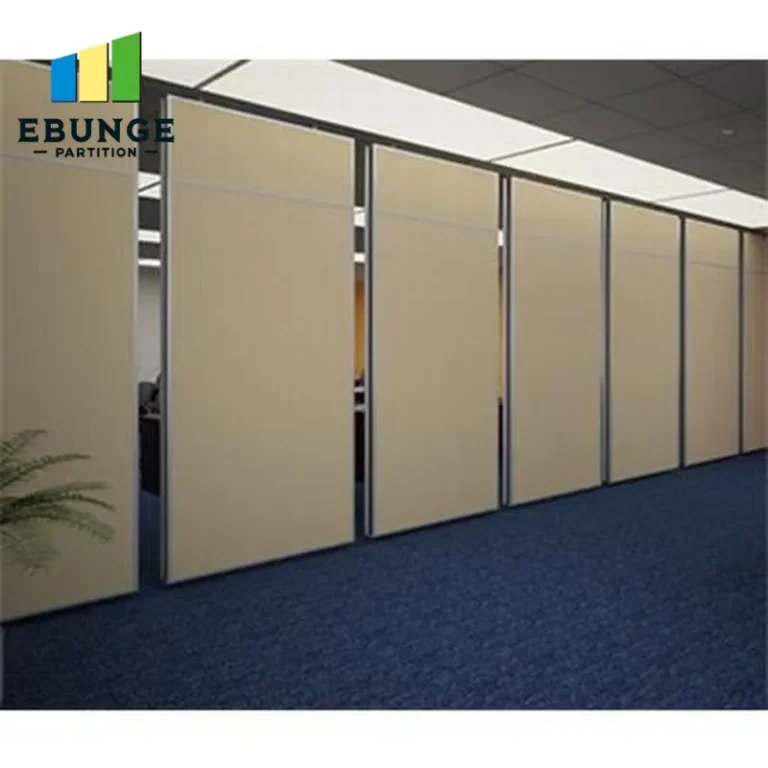
The partition wall system must integrate seamlessly with the building’s structure, HVAC, lighting, and ceiling. This requires detailed site surveys and coordination. Ask suppliers how they handle interfaces with existing finishes and whether they provide shop drawings that show these details. A supplier that offers design assistance and can adapt their standard products to your specific conditions is more valuable than one that offers only off-the-shelf solutions. Compatibility also includes the visual design—the partitions should complement the interior design of the training center.
Step 7: Analyze Quotation Readiness and Project Timeline
A quotation is only as good as the information it is based on. Ensure that each supplier’s quotation includes a breakdown of costs, delivery lead times, and installation schedules. Check if the quotation is valid for a sufficient period to allow for project approval. Also, assess the supplier’s ability to meet your project timeline. Delays in partition delivery or installation can hold up the entire project. Ask about their current workload and any potential bottlenecks. A supplier that offers factory direct support may have more control over production and delivery, reducing the risk of delays.
Practical Checklist for Comparing Partition Wall System Suppliers
Use this checklist to ensure you cover all critical aspects:
- Acoustic test reports for your specific configuration (confirm Rw rating).
- Durability data: cycle testing for moving parts, material quality.
- Ease of operation: manual or automated, effort required.
- Maintenance: cleaning, parts replacement, accessibility.
- Warranty: duration, coverage, exclusions.
- Compatibility: integration with ceiling, floor, and existing finishes.
- Quotation clarity: itemized costs, inclusions, exclusions.
- Timeline: production and installation lead times.
- Factory direct support: availability of technical assistance.
Comparison Table: Key Evaluation Criteria
| Criterion | Questions to Ask | Why It Matters |
|---|---|---|
| Acoustic Performance | What Rw rating is achieved? Is it tested in the same configuration? | Ensures sound insulation meets training needs. |
| Durability | What is the cycle life of tracks and hinges? Are materials impact-resistant? | High-traffic use demands long-lasting components. |
| Ease of Operation | Can one person move the partition? Are there safety locks? | Reduces operational friction and risk of damage. |
| Maintenance | Are parts easily replaceable? Is cleaning straightforward? | Minimizes downtime and upkeep costs. |
| Warranty | What does the warranty cover? How long is it? | Protects your investment and ensures support. |
| Compatibility | Are shop drawings provided? Can they adapt to existing structures? | Ensures seamless integration and avoids site issues. |
| Timeline | What is the lead time? Can they meet your schedule? | Prevents project delays. |
Conclusion: Making the Final Decision
Comparing partition wall system suppliers for a training center is a meticulous process that directly impacts project success. By focusing on acoustic evidence, durability, ease of operation, maintenance, warranty, compatibility, and timeline, you can mitigate the risk of poor acoustic performance and operational issues. Always confirm exact values from project drawings and specifications, and do not rely on generic claims. A supplier that offers factory direct support and a top-hung track system without floor rail is likely to provide a more reliable and maintainable solution. For further guidance, explore our resources on movable partition walls and blogs for more insights. If you have specific project details, contact us to discuss your requirements.
Frequently Asked Questions
What is the typical acoustic rating for a partition wall system in a training center?
The required acoustic rating depends on the training activities. For general training, an Rw of 40-45 dB is common, but for music or language labs, you may need Rw 50 dB or higher. Always verify the rating with test reports for your specific configuration.
How do I ensure the partition wall system will be durable in high-traffic use?
Look for suppliers that provide cycle testing data for components like tracks and hinges. Choose systems with robust materials, such as steel or aluminum, and consider a top-hung track without floor rail to reduce wear and tear.
What is the advantage of a top-hung track without a floor rail?
This design eliminates the floor channel, making cleaning easier, reducing trip hazards, and allowing for uninterrupted flooring. It also simplifies installation and maintenance, as there is no floor track to accumulate dirt or become damaged.
What should be included in a quotation for a partition wall system?
A comprehensive quotation should include itemized costs for panels, tracks, seals, hardware, installation, and any custom work. It should also specify delivery lead times, warranty terms, and payment schedules. Ask for shop drawings to ensure the design is compatible with your architecture.
How can I avoid poor acoustic performance after installation?
Ensure that the acoustic rating is based on the exact configuration you plan to install, including glazing and seals. Verify that the installation is done by certified installers and that the supplier provides guidance on proper use and maintenance. Also, consider commissioning acoustic tests after installation to confirm performance.
Remember, the goal is to select a partition wall system that not only meets your acoustic and aesthetic requirements but also stands up to the rigors of a training center environment. By following this structured comparison approach, you can make an informed decision that minimizes risk and ensures long-term satisfaction.
Send the opening size and drawings to discuss a differentiated partition wall system solution.