
Selecting an operable wall system supplier for office meeting rooms is a critical decision that goes beyond comparing product brochures. For project contractors, the real challenge lies in finding a partner who can deliver on acoustic performance, customization, and reliable overseas logistics. This guide is tailored to help you evaluate suppliers with a focus on technical readiness, quotation accuracy, and after-sales support, ensuring your next office partition project runs smoothly.
Direct answer: When comparing operable wall system suppliers for office meeting rooms, prioritize those who provide transparent acoustic data, offer custom engineering support for your specific opening sizes and finishes, and have a proven track record in overseas delivery with clear lead times and warranty terms. Request detailed quotations based on your project drawings, and verify their after-sales service capabilities before committing.
Understanding Your Project Requirements Before Contacting Suppliers
Before reaching out to potential suppliers, you need a clear picture of your project’s technical specifications. This not only helps you communicate effectively but also enables suppliers to provide accurate quotations. Key details include the exact dimensions of the opening, ceiling height, desired acoustic performance (e.g., STC or Rw rating), finish preferences (such as laminate, veneer, or paint), and the type of track system (top-hung without floor rail is often preferred for flexibility).
Additionally, consider the frequency of use, whether the wall needs to integrate with existing architecture, and any special requirements like pass doors or glazing. Having these details ready will streamline the inquiry process and reduce the risk of misunderstandings.
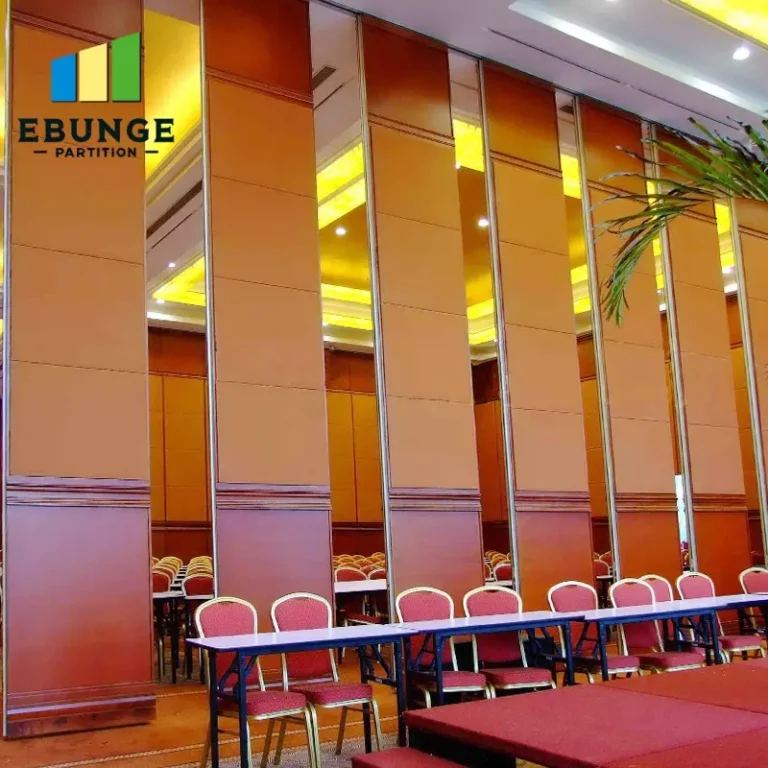
Need help turning the operable wall system supplier requirements into a practical project layout?
Evaluating Supplier Reliability: Beyond the Brochure
Supplier reliability is a top concern for contractors, especially when dealing with overseas manufacturers. Look for evidence of consistent quality, such as certifications (ISO, CE, etc.), but remember that certifications alone don’t guarantee performance. Ask for case studies or references from similar office projects, and if possible, arrange a factory visit or virtual tour to assess production capabilities and quality control processes.
Another aspect is the supplier’s financial stability and production capacity. A reliable supplier should be able to handle your order volume without compromising lead times. Inquire about their order book and how they manage peak seasons, as this can impact your project schedule.
Customization Support: Tailoring Walls to Your Specifications
Every office meeting room has unique requirements, and a one-size-fits-all solution is rarely ideal. A competent supplier should offer customization options for dimensions, finishes, and even acoustic performance. They should be willing to review your drawings and provide engineering support to adapt their standard systems to your needs.
For instance, if you need a particular finish to match your interior design, the supplier should have a range of options or be able to source specific materials. Similarly, if the opening has unusual proportions, they should propose solutions like additional support structures or custom panel sizes. Effective customization support can significantly impact the final result, so evaluate how responsive and flexible suppliers are during the quotation phase.
Acoustic Ratings: Making Sense of the Numbers
Acoustic performance is often a key requirement for meeting rooms. Suppliers will provide ratings like STC (Sound Transmission Class) or Rw (Weighted Sound Reduction Index). But these numbers can be misleading if not backed by proper testing. Ensure that the ratings are based on standardized tests (e.g., ASTM E90 or ISO 10140) and that the test conditions match your intended installation.
Also, consider the acoustic seals and perimeter isolation. A wall is only as good as its weakest point, so ask about the sealing systems and how they contribute to the overall performance. If your project requires specific acoustic targets, share them with the supplier and ask for a written confirmation that their system can meet them.
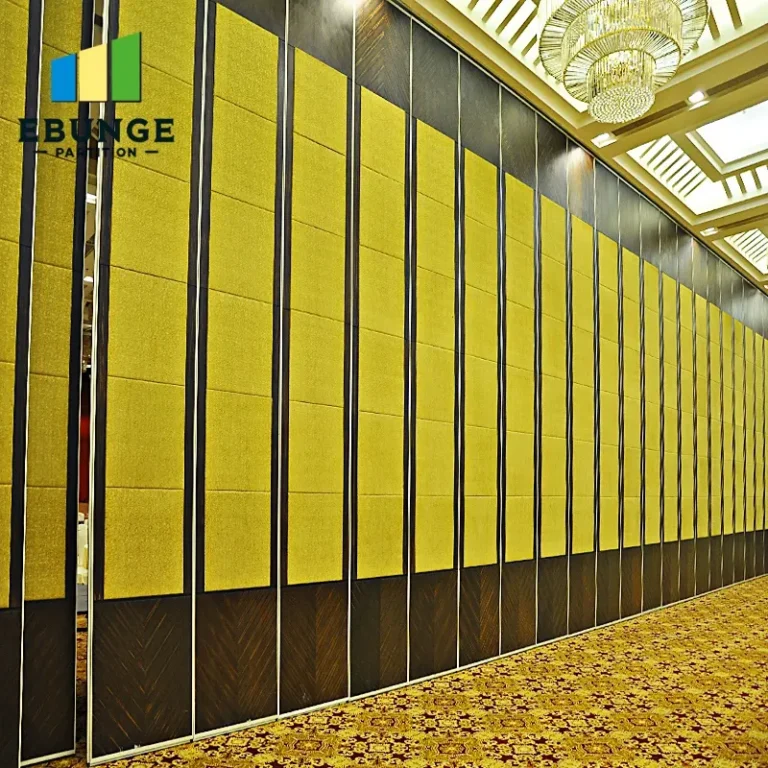
Installation Complexity and Support
The ease of installation can significantly affect your project timeline and labor costs. A top-hung track system without a floor rail is generally easier to install and offers more flexibility in room layout. However, the complexity can vary based on the wall’s size and weight, and the condition of the ceiling structure.
Ask suppliers about their installation guidance: Do they provide detailed drawings, step-by-step manuals, or even on-site supervision? For overseas projects, remote support via video calls can be invaluable. Clarify who is responsible for installation—your team or theirs—and what training or documentation is provided.
Warranty Coverage and After-Sales Support
Warranty is a crucial aspect of any major purchase. Understand what is covered, for how long, and under what conditions. A typical warranty might cover defects in materials and workmanship but may exclude damage due to misuse or improper installation. Read the fine print and ask for a copy of the warranty terms before signing.
After-sales support is equally important. Will the supplier be available for troubleshooting or spare parts? How do they handle warranty claims, especially if you are in a different country? A supplier with a local distributor or responsive online support can save you time and headaches.
Lead Time and Delivery: Planning for Your Project Schedule
Lead time is a critical factor, especially if you have a tight construction schedule. Ask suppliers for their standard production lead time and how it might be affected by customization or order volume. Also, clarify shipping terms: Is it FOB, CIF, or DDP? What are the estimated transit times, and how are potential delays communicated?
For overseas delivery, consider the logistics of customs clearance and any potential for damage during transit. Inquire about packaging standards and whether the supplier offers insurance. A reliable supplier will provide realistic timelines and keep you informed throughout the process.
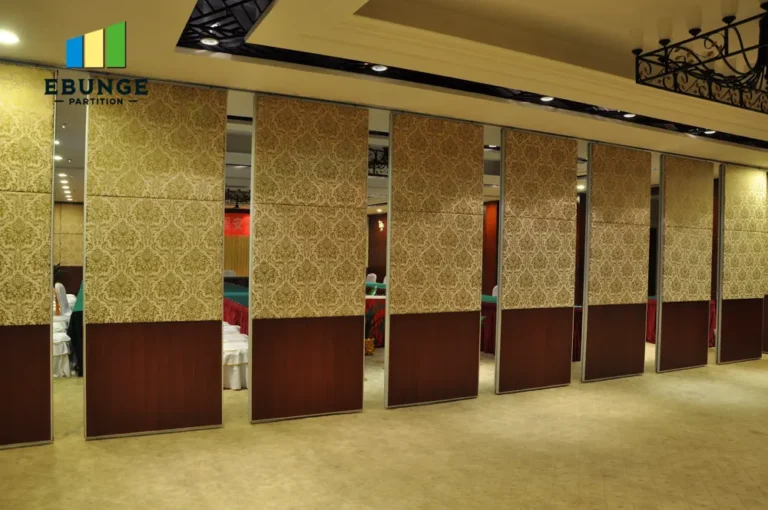
Share the opening, drawings, finish direction, and privacy target for a project-specific review.
Price vs. Quality: Balancing Your Budget
Price is always a consideration, but the cheapest option is rarely the most cost-effective in the long run. Evaluate the total cost of ownership, including installation, maintenance, and potential repairs. A slightly higher initial investment in a quality system can pay off with better durability and performance.
When comparing quotations, ensure that you are comparing like-for-like. Check whether the price includes all necessary components, such as tracks, seals, and hardware. Some suppliers may offer a lower base price but add extra costs for customization or delivery. Ask for a detailed breakdown to avoid surprises.
Quotation Readiness: How to Get Accurate Quotes
To receive accurate and competitive quotations, provide suppliers with complete information from the start. This includes your architectural drawings, detailed specifications, and any relevant standards or certifications required. The more precise you are, the less likely there will be ambiguity or hidden costs.
Also, be clear about your expectations regarding payment terms, delivery schedule, and after-sales support. A well-prepared inquiry not only helps suppliers give you a better price but also demonstrates that you are a serious buyer, which can lead to more favorable terms.
Checklist for Comparing Operable Wall System Suppliers
Use this checklist to ensure you cover all critical aspects when evaluating suppliers:
- Technical specifications: Do they meet your size, acoustic, and finish requirements?
- Customization options: Are they willing to adapt their standard products?
- Acoustic data: Are ratings backed by certified tests?
- Installation support: Do they provide drawings, manuals, or on-site assistance?
- Warranty terms: What is covered, and for how long?
- Lead time: Can they meet your project deadline?
- Delivery terms: What are the shipping costs and logistics?
- After-sales service: How responsive is their support team?
- Price transparency: Is the quotation detailed and complete?
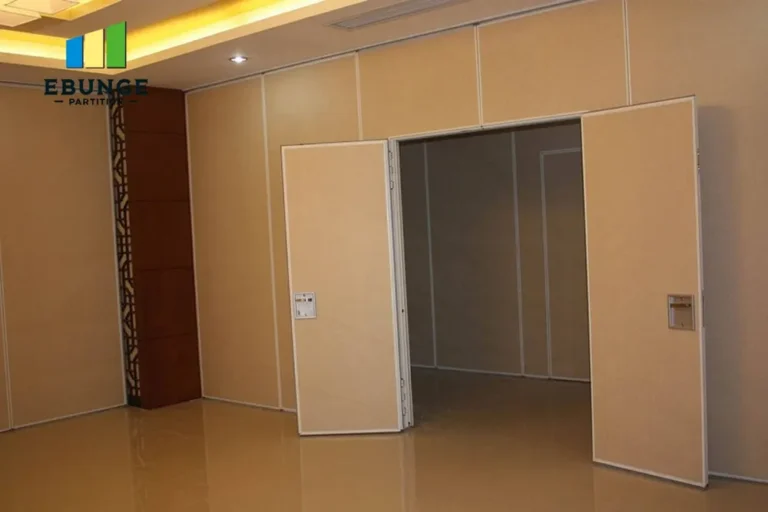
Leveraging Internal Resources for Informed Decisions
To further your research, explore our resources on movable partition walls and industry insights. Our category page on movable partition manufacturers can help you understand different manufacturing approaches. If you have specific questions, don’t hesitate to contact us for guidance.
Conclusion: Making the Right Choice
Choosing the right operable wall system supplier requires a balance of technical knowledge, clear communication, and careful evaluation. By focusing on reliability, customization support, and overseas delivery capabilities, you can ensure that your office meeting room project meets both functional and aesthetic goals. Remember to base your decision on verified data and documented commitments, and always keep your project’s unique requirements at the forefront.
Frequently Asked Questions
What information should I provide to get an accurate quote for an operable wall system?
Provide detailed drawings with opening dimensions, ceiling height, desired acoustic rating, finish preferences, and project location. The more specific you are, the more accurate the quotation will be.
How can I verify the acoustic ratings claimed by a supplier?
Ask for test reports from accredited laboratories, such as ASTM or ISO standards. Ensure the test conditions match your installation scenario. You can also request references from projects with similar acoustic requirements.
What customization options are typically available for operable walls?
Common options include custom sizes, finishes (laminate, veneer, paint), glazing, pass doors, and integration with existing architecture. Some suppliers offer engineering support for unique configurations.
How long does it usually take to produce and deliver an operable wall system?
Lead times vary based on order complexity and volume. Standard systems may take 4-6 weeks, while customized orders can take longer. Delivery times depend on shipping method and destination. Always confirm lead times in writing.
What should I look for in a warranty for an operable wall system?
Look for coverage on materials and workmanship, the duration (typically 1-5 years), and any exclusions. Ensure the warranty covers defects but not damage from misuse or improper installation. Clarify how claims are handled, especially for overseas purchases.
For this buyer review, operable wall system supplier should be checked against the confirmed opening, drawings, operating plan, and project specification.
Send the opening size and drawings to discuss a differentiated operable wall system supplier solution.