
When planning an exhibition hall, the choice of a folding door is not just about aesthetics; it is a strategic decision that affects long-term maintenance, operational flexibility, and compliance with building codes. Unlike office meeting rooms, exhibition halls demand high acoustic performance, durability under heavy use, and seamless integration with large-scale events. This comparison guide focuses on quotation readiness and project decision risk, helping you evaluate suppliers with a clear, technical mindset. We will walk through essential criteria, from acoustic ratings to after-sales support, ensuring you have the right questions to ask and the right documentation to request.
Direct Answer: To compare folding door suppliers for an exhibition hall, you must first define your project’s opening size, acoustic target, finish preference, and request detailed drawings. Prioritize suppliers that offer factory-direct support, transparent cost breakdowns, and a clear installation timeline. Always verify compliance with local building codes and ask for references from similar public projects. The right supplier will provide a comprehensive quotation that includes all components, installation, and after-sales service, reducing the risk of unexpected costs and delays.
Why Exhibition Halls Require a Different Folding Door Evaluation
Exhibition halls are high-traffic environments with large open spaces that need to be divided into smaller, acoustically isolated zones. Unlike office partitions, these systems must withstand frequent operation, sometimes daily, and accommodate heavy usage during events. The acoustic performance is critical: a folding door with a high Sound Transmission Class (STC) rating can prevent sound leakage between concurrent exhibitions or conferences. Moreover, the installation timeline is often tight, as halls are booked in advance. Therefore, your evaluation must prioritize durability, acoustic integrity, and supplier reliability over mere aesthetics.
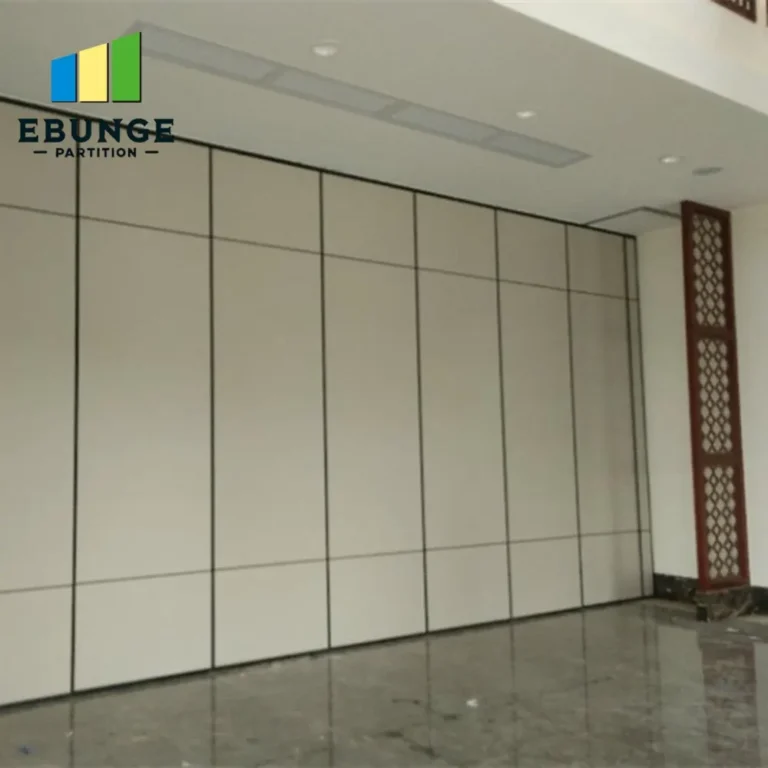
Need help turning the folding door requirements into a practical project layout?
Key Criteria for Comparing Folding Door Suppliers
When comparing suppliers, focus on these six pillars: acoustic rating, durability, ease of operation, warranty, installation timeline, and compliance with building codes. Each criterion should be backed by documented evidence. For instance, an acoustic rating should be supported by laboratory test reports, not just marketing claims. Durability can be assessed through material specifications and warranty terms. Ease of operation is often subjective, so request a demonstration or user manual. Installation timeline must be aligned with your project schedule, and compliance with local codes is non-negotiable.
Acoustic Performance and Testing
Ask for the STC rating and the test method used. For exhibition halls, an STC of 50 or higher is often recommended, but this depends on your specific acoustic target. Ensure the supplier provides the rating for the exact configuration you plan to use, including door panels, seals, and tracks. Beware of ratings based on smaller or different sizes.
Durability and Maintenance
Exhibition hall folding doors are subject to frequent use. Inquire about the materials used in panels, tracks, and hardware. Top-hung systems, like EBUNGE’s, eliminate the floor rail, reducing wear and tear and simplifying cleaning. Ask about maintenance requirements and the availability of spare parts. A supplier that offers a comprehensive warranty and after-sales service is a safer bet.
Quotation Readiness: What to Prepare Before Requesting Quotes
To get accurate comparisons, you must be prepared. Provide suppliers with detailed project information: opening size (width and height), acoustic target (e.g., STC 45), finish preference (e.g., wood veneer, laminate), and any architectural drawings. This allows suppliers to offer precise quotations and reduces the risk of hidden costs. A vague request will lead to vague quotes, making comparison difficult.
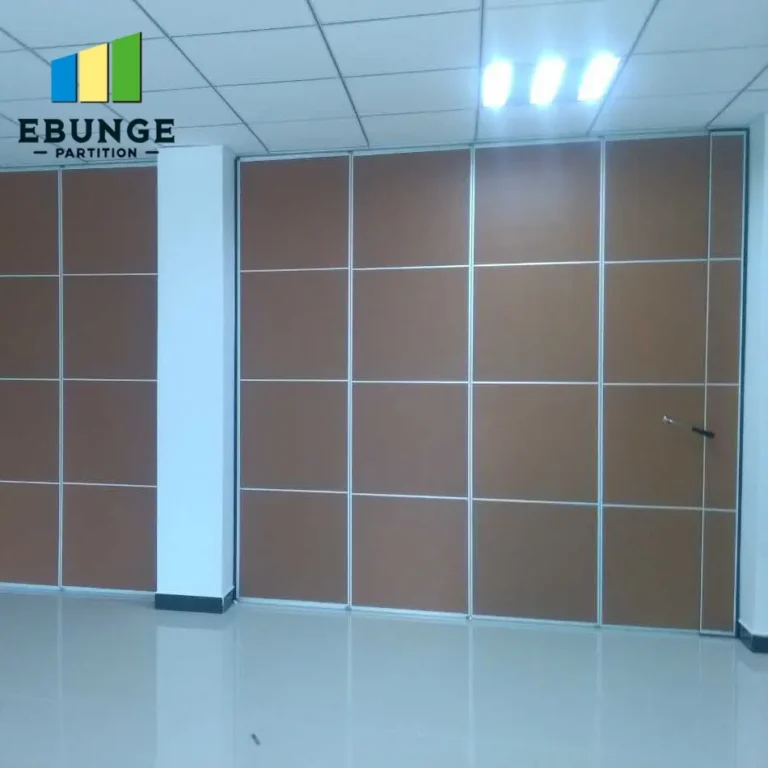
Evaluating Supplier Reputation and After-Sales Service
Supplier reputation is more than just testimonials. Look for evidence of past projects in public buildings, especially exhibition halls. Ask for references and contact them. Inquire about their after-sales service: response time, availability of technicians, and warranty claim process. A supplier that offers factory-direct support is often more reliable, as they have direct control over production and quality.
Cost Transparency and Hidden Fees
Cost transparency is crucial. Request a detailed breakdown of costs: materials, hardware, installation, delivery, and any additional charges. Be wary of unusually low quotes that may indicate substandard materials or hidden fees. Ensure the quotation includes all necessary components, such as seals, handles, and tracks. Clarify what is not included, such as electrical work or painting.
Installation Timeline and Project Coordination
The installation timeline is a critical factor for exhibition halls. Ask for a detailed schedule, including lead time for manufacturing and installation duration. Coordinate with your project manager to ensure the timeline aligns with your construction schedule. A supplier that offers project coordination, such as EBUNGE’s custom project support, can help streamline the process.
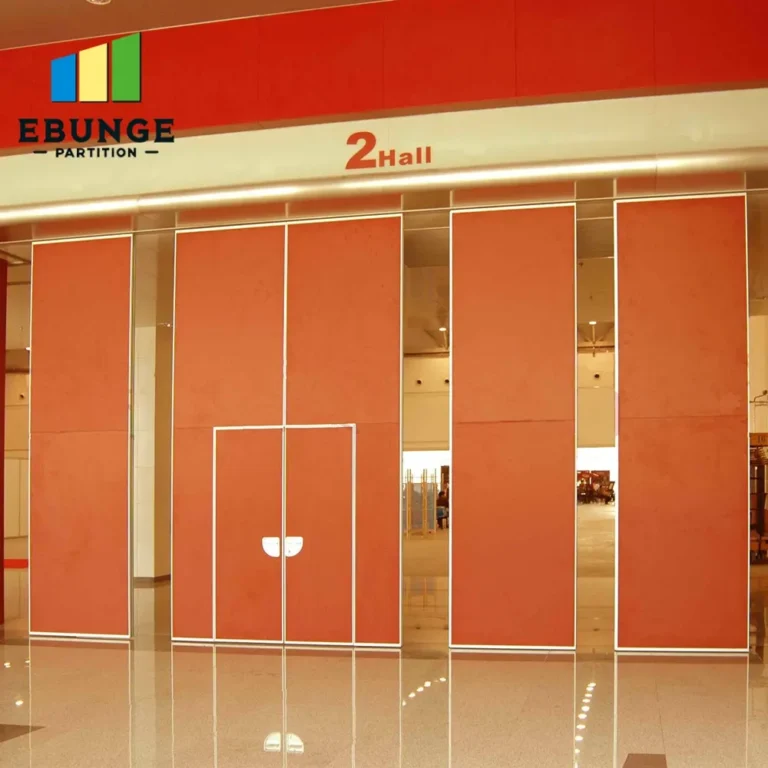
Share the opening, drawings, finish direction, and privacy target for a project-specific review.
Compliance with Building Codes and Standards
Ensure the folding door system complies with local building codes, fire safety regulations, and accessibility standards. Ask for certificates or documentation. This is particularly important for public buildings. A reputable supplier will provide these without hesitation.
Practical Checklist for Supplier Comparison
| Criterion | Questions to Ask | Documentation to Request |
|---|---|---|
| Acoustic Rating | What is the STC rating? What test method was used? | Test report from accredited lab |
| Durability | What materials are used? What is the warranty period? | Material specifications, warranty terms |
| Ease of Operation | Can we see a demo? What is the operation effort? | User manual, demo video |
| Installation Timeline | What is the lead time? How long is installation? | Projected schedule |
| Compliance | Does it meet local codes? Any certifications? | Certificates, compliance statements |
| After-Sales | What is the response time for service? Spare parts availability? | Service agreement, contact details |
| Cost Transparency | Can you provide a detailed breakdown? | Itemized quotation |
Long-Term Maintenance Considerations
Long-term maintenance is a major concern for public buildings. Ask about the expected lifespan of the system and the maintenance schedule. For top-hung systems, the absence of a floor rail reduces wear and tear. Inquire about the availability of replacement parts and the cost of routine maintenance. A supplier that offers training for your maintenance staff is a plus.
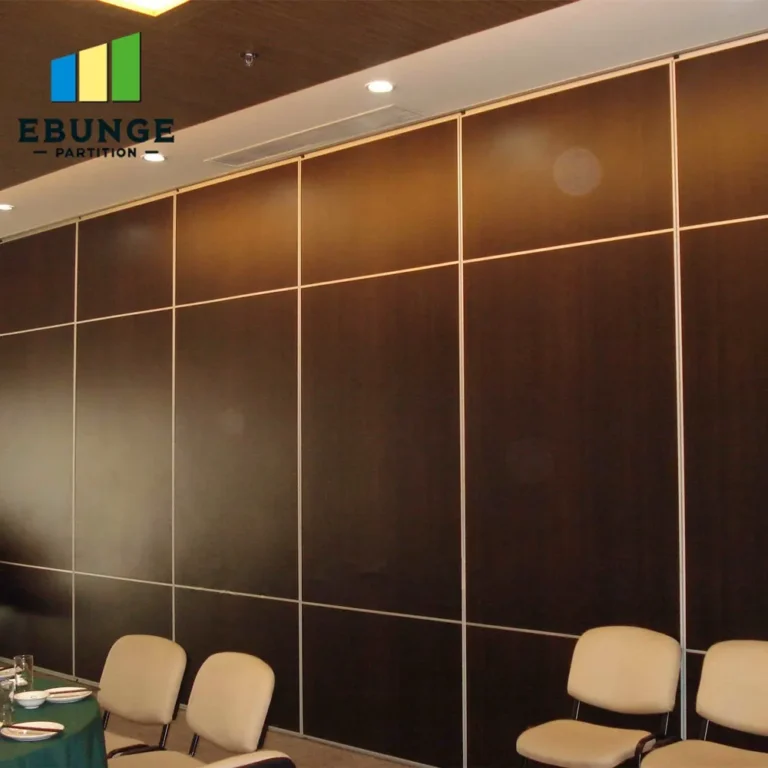
Conclusion: Making the Right Decision
Comparing folding door suppliers for an exhibition hall requires a systematic approach. By focusing on quotation readiness and project decision risk, you can minimize surprises and ensure a successful installation. Remember to prioritize acoustic performance, durability, and supplier support. For more insights, explore our movable partition wall solutions or read our blog for technical guidance. If you need further assistance, contact our team for expert advice.
Frequently Asked Questions
1. What is the ideal acoustic rating for a folding door in an exhibition hall?
The ideal rating depends on your acoustic target. For general separation, an STC of 45-50 is common, but if you need to isolate loud events, you may need higher. Consult with an acoustic engineer to define the exact requirement.
2. How do I ensure the supplier’s acoustic rating is reliable?
Ask for the test report from an accredited laboratory. Ensure the test was conducted on a similar configuration (size, materials) to your project. Be wary of ratings that are not backed by documentation.
3. What is the typical installation timeline for a folding door system?
The timeline varies based on the project size and complexity. It includes manufacturing lead time (typically 4-8 weeks) and on-site installation (a few days to a week). Always confirm with the supplier and factor in your project schedule.
4. What should be included in a transparent quotation?
A transparent quotation should list all components: panels, tracks, hardware, seals, installation labor, delivery, and any additional fees. It should also specify what is not included, such as electrical or finishing work.
5. How can I verify a supplier’s reputation?
Ask for references from similar projects, especially in public buildings. Contact those references to ask about their experience. You can also check online reviews and industry forums.
For more detailed guidance on partition wall systems, you may also visit our Movable Partition Installation category.
Send the opening size and drawings to discuss a differentiated folding door solution.