
Selecting community folding partition finishes for a community center involves more than picking a color or texture. The finish must withstand frequent use, meet acoustic targets, and align with the overall design intent of the space. For office renovation companies working on community projects, the decision impacts both functionality and long-term maintenance. This guide focuses on key considerations to help you specify the right operable wall system with confidence, ensuring your next quotation is accurate and competitive.
Direct answer: When choosing community folding partition finishes, prioritize durability, acoustic performance, and ease of maintenance. Confirm the finish’s resistance to scratches and impacts, its sound insulation properties (STC rating), and the manufacturer’s warranty. Always request samples and verify that the finish meets your project’s specific requirements, including fire safety and environmental standards.
Understanding Community Folding Partition Finishes
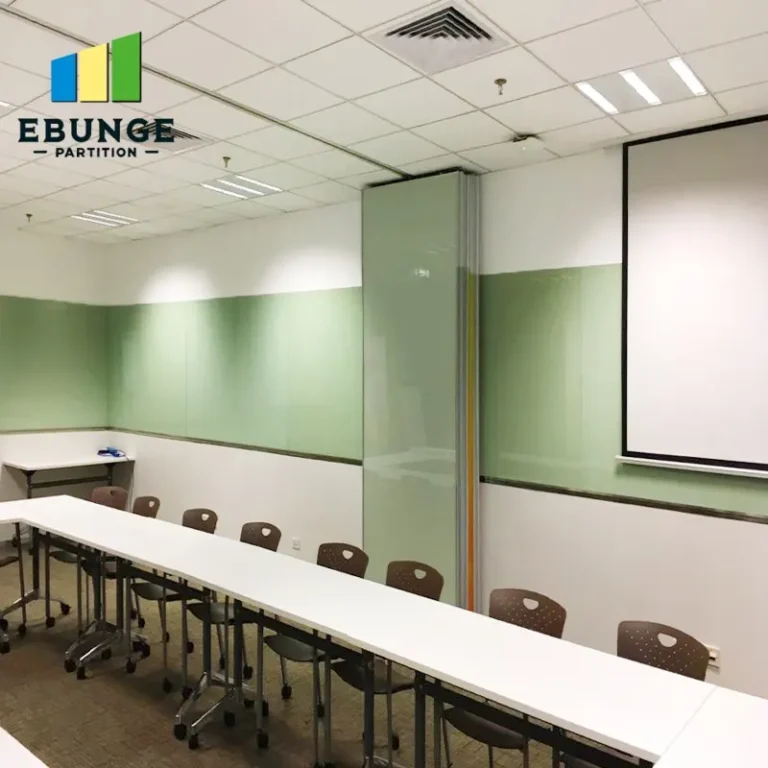
Community folding partition finishes refer to the surface materials applied to movable partition wall panels. These finishes range from laminate and veneer to paint-ready surfaces and fabric wraps. Each finish type offers different benefits in terms of aesthetics, durability, and cost. In a community center, where spaces are used for events, classes, and meetings, the finish must be able to handle high traffic and frequent reconfiguration.
When evaluating finishes, consider the lifecycle cost: initial installation, maintenance, and potential replacement. A finish that is cheaper upfront but requires frequent refinishing may be less cost-effective in the long run. Additionally, the finish should complement the acoustic properties of the partition system, as porous surfaces may affect sound absorption.
Need help turning the community folding partition finishes requirements into a practical project layout?
Key Factors to Evaluate in Partition Finishes
Several factors influence the choice of finish for a community center movable partition wall. These include durability, acoustic performance, design flexibility, and maintenance requirements. Each factor should be weighed based on the specific needs of the project.
Durability and Impact Resistance
Community centers experience heavy use, so the finish must resist scratches, dents, and stains. High-pressure laminate (HPL) is a popular choice for its durability and ease of cleaning. Alternatively, vinyl-faced panels offer good impact resistance. Always check the manufacturer’s specifications for impact and abrasion tests.
Acoustic Insulation
The finish does not directly determine acoustic performance, but it can affect the overall sound insulation of the operable wall system. The core material and edge seals are primary factors. However, the finish should not compromise the system’s STC rating. For spaces requiring high sound isolation, consider finishes that do not add mass or create gaps.
Design Flexibility
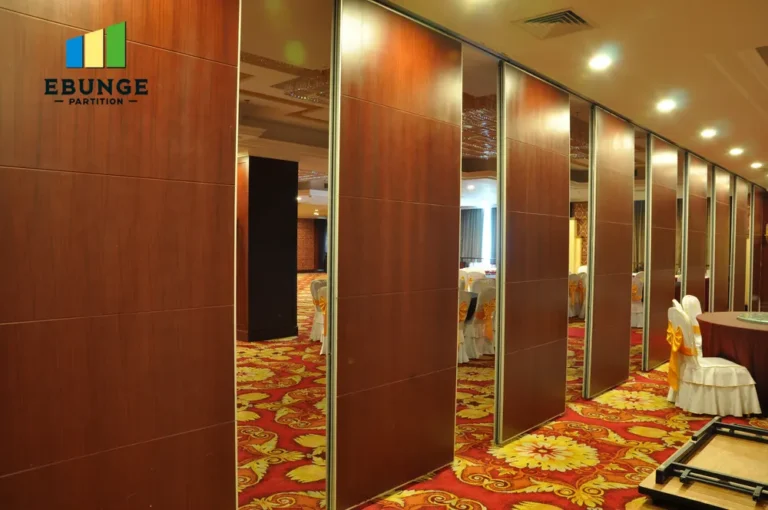
Finishes come in a wide range of colors, textures, and patterns. For community centers, it’s often desirable to have a finish that can be customized with logos or wayfinding graphics. Some manufacturers offer custom laminate or digital printing options. Ensure the finish can be matched to the interior design scheme while meeting functional requirements.
Comparing Finish Options: A Practical Checklist
To simplify your decision, use the following checklist when evaluating finishes from potential suppliers:
- Does the finish meet the required durability standards (e.g., abrasion resistance, impact test)?
- Is the finish compatible with the acoustic performance target (STC rating)?
- Can the finish be customized to match the design intent (color, texture, branding)?
- What are the maintenance requirements? Is it easy to clean and repair?
- What is the installation time associated with the finish? Does it affect project timeline?
- Is the finish cost-effective, considering lifecycle costs?
- Does the finish meet safety standards (e.g., fire retardancy, low VOC emissions)?
- What warranty does the manufacturer offer on the finish?
Acoustic Performance and Finish Selection
While the finish itself does not provide sound insulation, it can influence the acoustic environment. For example, fabric finishes can absorb sound, reducing echo, but they may require more maintenance. In contrast, rigid finishes like laminate reflect sound, which may be desirable in certain settings. When specifying an acoustic partition solution, consider the overall acoustic needs of the space: speech privacy, noise reduction, or sound containment.
Always request acoustic test data from the manufacturer for the complete system, including the finish. This data should be based on the specific configuration you plan to use.
Maintenance and Long-Term Care
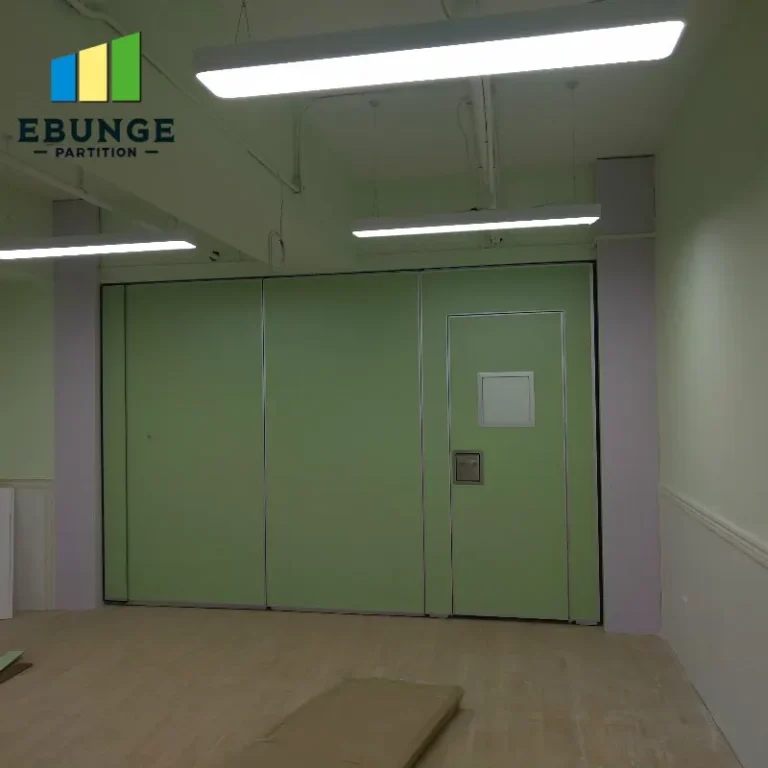
Finishes in community centers must be low-maintenance. High-traffic areas may require frequent cleaning. Choose finishes that are stain-resistant and can be cleaned with standard non-abrasive cleaners. For fabric finishes, consider treatments that repel stains and moisture. Also, think about future repairs: if a panel is damaged, can the finish be replaced easily, or must the entire panel be replaced? This affects ongoing maintenance costs.
Budgeting and Cost-Effectiveness
Cost is a significant factor in any project. When comparing finishes, consider not only the initial cost but also the total cost of ownership. A more expensive finish that lasts longer and requires less maintenance may be more cost-effective in the long run. Get detailed quotations from suppliers, including delivery and installation costs, and compare them based on the same specifications.
Share the opening, drawings, finish direction, and privacy target for a project-specific review.
Safety Standards and Compliance
Community centers must comply with local building codes and safety regulations. Ensure that the chosen finish meets fire safety standards (e.g., Class A fire rating) and does not emit harmful volatile organic compounds (VOCs). Check for certifications such as GREENGUARD or similar. Also, consider the safety of the partition system in terms of operation and stability.
Warranty and Supplier Support
A reliable warranty is crucial. Ask about the warranty on the finish and the entire operable wall system. Understand what is covered: defects, fading, delamination, etc. Also, evaluate the supplier’s support: do they provide installation guidance, drawings, and after-sales service? A supplier that offers comprehensive support can save you time and money.
Installation and Project Timeline
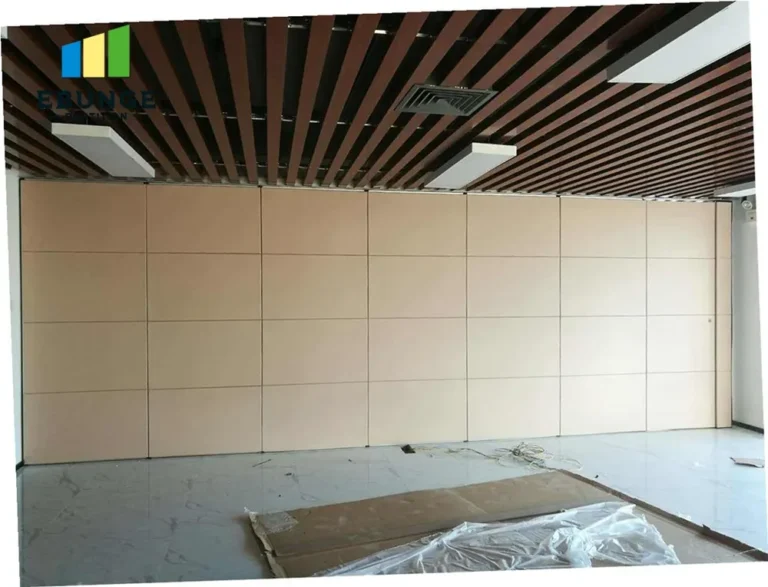
The finish can affect installation time. Some finishes are pre-applied to panels, while others may require on-site application. Pre-finished panels are typically faster to install. Consider the project timeline and coordinate with the supplier to ensure timely delivery. Also, discuss the installation process with the supplier to avoid surprises.
Frequently Asked Questions
What is the most durable finish for a community center partition?
High-pressure laminate (HPL) is often recommended for its durability and ease of maintenance. However, the best choice depends on your specific needs, including acoustic requirements and design preferences.
Can I customize the finish with our community center’s logo?
Yes, many manufacturers offer customization options, including digital printing on laminate or fabric. Discuss your requirements with the supplier to ensure feasibility.
How does the finish affect acoustic performance?
The finish itself has minimal impact on the STC rating, but it can influence sound absorption. For example, fabric finishes can absorb sound, while hard finishes reflect it. Consider the acoustic needs of the space when choosing a finish.
What maintenance is required for fabric finishes?
Fabric finishes may require regular vacuuming and occasional spot cleaning. Some fabrics are treated for stain resistance. Always follow the manufacturer’s care instructions.
Are there fire-rated finish options?
Yes, many finishes are available with Class A fire ratings. Ensure that the finish meets your local building code requirements and request documentation from the supplier.
Conclusion: Making an Informed Choice
Choosing the right community folding partition finishes requires a balance of aesthetics, durability, acoustic performance, and cost. By evaluating your project’s specific needs and asking the right questions, you can select a finish that meets both functional and design goals. For more insights on movable partition walls and design ideas, explore our movable partition wall solutions and blog articles. If you have specific requirements, contact us to discuss your project.
Remember, the finish is just one component of a successful operable wall system. Ensure that the entire system, including the track and hardware, is designed for your community center’s needs. With careful planning and expert guidance, you can achieve a versatile and lasting space.
Send the opening size and drawings to discuss a differentiated community folding partition finishes solution.