
Quick project answer
Review focus: changeover skills matrix.
A changeover skills matrix facility operations planning tool helps teams match people, tasks and evidence before a room is reconfigured. For movable partition systems, the changeover is not only about moving panels. It is about knowing who checks the layout, who confirms the route, who handles finishes and who signs off before the space is handed back. This guide gives an evidence-bounded framework for building that matrix without inventing performance, manpower or project outcomes.
Why a Changeover Skills Matrix Matters in Facility Operations Planning
Project review term: changeover skills matrix.
Flexible spaces depend on repeatable changeovers. A matrix turns a vague instruction such as “set the room for the next event” into named responsibilities. The exact route, junction arrangement, continuous overhead path and parking position must be confirmed from the coordinated project drawings.
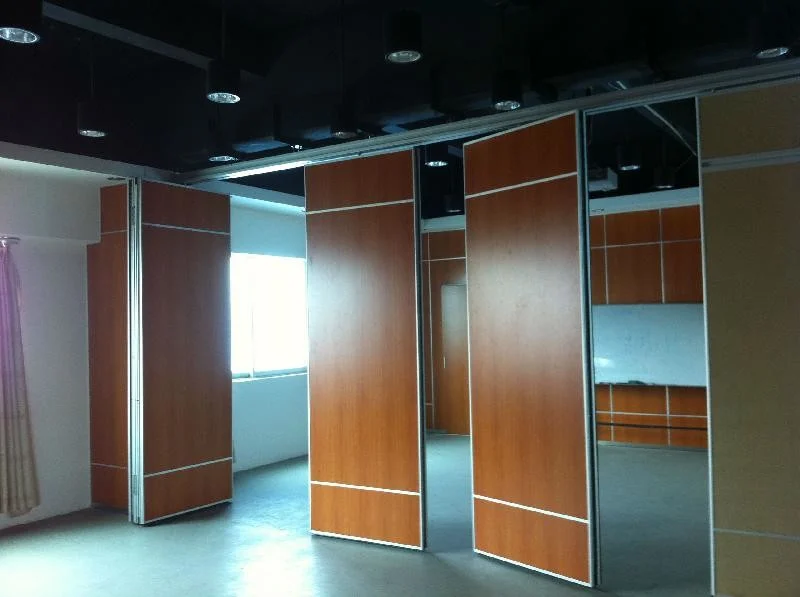
For top-hung movable partitions, panels are individually movable, suspended from a top track, cross the opening without a floor track, and park at a planned stacking position. Those facts shape the matrix. The team must understand the overhead route, the parking position and the limits of what can be confirmed from a drawing alone.
Start With the Changeover Route, Not the Task List
Coordination scope: changeover skills matrix.
Many matrices fail because they list tasks before the route is understood. Begin with the movement path. Straight, turning and stacking routes should be reviewed from the layout. A route that looks simple on a plan may involve a turn, a parking zone or a transition that needs project-specific support review.
Every proposed movement path requires a continuous connected overhead route and project-specific support review. The matrix should record who confirms that route and when.
Route Review Checklist
- Confirm the opening width and the intended clear opening.
- Trace the straight, turning and stacking routes on the current layout.
- Identify the planned parking position and whether it conflicts with other uses.
- Check that the overhead route is continuous and supported as required by the project design.
- Record who reviews the route and who approves any change.
- Confirm pass-door requirements and project documentation with the supplier.
Map Roles to Changeover Stages
Checklist focus: changeover skills matrix.
A skills matrix is only useful if it names real roles. In facility operations, those roles may sit with the owner, contractor, architect, interior designer or distributor. The matrix should show who is responsible, who is consulted and who must approve.

Use a simple responsibility table. Keep it project-specific. Do not assign numbers of operators or time targets unless the project has its own evidence.
Example Responsibility Table
| Changeover stage | Typical role | Evidence needed |
|---|---|---|
| Layout and route review | Architect or designer | Current drawings and project-specific support review |
| Finish confirmation | Interior designer or owner | Approved finish sample and surface confirmation |
| Installation coordination | Contractor or distributor | Coordinated design and site conditions |
| Operational handover | Facility operations lead | Documented changeover steps and contact path |
| Post-changeover check | Facility operations team | Visual check against the agreed layout |
Define Skills and Knowledge for Each Role
Review focus: changeover skills matrix.
Skills in a changeover matrix are not only physical tasks. They include reading a layout, recognising a route conflict, understanding finish options and knowing when to stop and ask for confirmation.
Confirmed finish options include laminate, melamine, fabric, leather, glass and other approved surfaces. The matrix should record who confirms the finish and who checks that the approved surface is the one installed. The suitability of each route and parking arrangement depends on the approved layout, circulation, ceiling interfaces and operating sequence.
Core Skill Areas

- Layout reading: understanding straight, turning and stacking routes.
- Route awareness: recognising where a continuous overhead route is required.
- Finish literacy: matching approved surfaces to the project specification.
- Documentation: keeping drawings, approvals and change records current.
- Escalation: knowing which questions require project-specific confirmation.
Build the Matrix in Six Practical Steps
- List every changeover scenario the space is expected to support.
- Map the route for each scenario from the current layout.
- Identify the roles involved and the decisions each role owns.
- Record the evidence required for each decision.
- Mark any item that needs project-specific support, acoustic or dimensional confirmation.
- Review the matrix with the project team before handover.
This sequence keeps the matrix tied to maintained product facts and visible evidence limits. It also prevents the matrix from becoming a list of assumptions.
Handle Acoustic and Sealing Concepts Carefully
The matrix should record who confirms acoustic requirements and where the supporting documentation sits.
Evidence Note
Do not derive hidden acoustic, fire, durability, load, maintenance or commercial performance from a visible shape, finish, photograph or drawing. Comparative, absolute and causal statements require corresponding evidence.
Keep the Matrix Current Through Handover
A changeover matrix is a living document. Layouts change, finishes are updated and routes are adjusted. Assign one person to keep the matrix current and to record any project-specific confirmation.
Use the resources page for general planning context and the movable walls product page for maintained product facts. When a question cannot be answered from the available evidence, record it as an open item rather than filling the gap with an assumption.
Frequently Asked Questions
What is a changeover skills matrix in facility operations planning?
It is a planning tool that maps changeover stages to roles, skills and evidence. For movable partitions, it helps teams confirm routes, finishes and responsibilities before a space is reconfigured.
Do movable partitions need a floor track for changeovers?
EBUNGE movable partition panels are top-hung and move without a continuous floor running track or floor hardware along the partition line. The route still requires a continuous connected overhead route and project-specific support review.
Which finish options should the matrix record?
Confirmed finish options include laminate, melamine, fabric, leather, glass and other approved surfaces. The matrix should record who confirms the approved finish and who checks it at handover.
Can the matrix include acoustic targets?
Provide the current layout, opening dimensions, ceiling information, intended room use, and relevant project drawings for review. The exact overhead route and support arrangement must be confirmed by the responsible project team from coordinated drawings.
How should parking and stacking be planned?
Parking style is customized to the customer layout and project requirements and may support compact stacking when the coordinated design permits it. The matrix should record the planned stacking position and who reviews it.
When should the project team contact the supplier?
Contact the supplier when pass-door requirements, project documentation, support conditions, acoustic requirements or dimensional details need confirmation. Use the contact page to start that review.
Conclusion
Start with the route, map the roles, record the evidence and mark every item that needs project-specific confirmation. This approach helps contractors, architects, designers, owners and facility teams coordinate movable partition changeovers without inventing performance or commercial outcomes.
To discuss pass-door requirements, project documentation or layout-specific questions, contact EBUNGE and confirm the details for your project.