
Quick answer: room scheduling rule
Review focus: room scheduling rule.
When a facility relies on flexible rooms, two planning documents often disagree: the room scheduling rule that governs who books which space and when, and the changeover policy that defines how a room is reset between uses. The friction is not a software bug. It is a coordination gap between calendar logic and physical reconfiguration. For overseas contractors, architects, interior designers, owners, and renovation teams, resolving that gap early protects the project from late redesign, unrealistic turnover assumptions, and mismatched expectations. This article offers an evidence-bounded framework for changeover policy room scheduling rule conflict resolution, with every recommendation tied to maintained product facts and project-specific drawing review.
Why Scheduling Rules and Changeover Policies Diverge
Project review term: room scheduling rule.
Scheduling rules usually live in a booking system. They define duration, priority, recurring events, and buffer times. A changeover policy lives closer to operations: it describes what must happen between one room use and the next. When the two are written by different teams, they can drift apart. A scheduling rule might allow a fifteen-minute buffer, while the changeover policy assumes a longer reset. Neither document is wrong on its own, but together they create a conflict that surfaces only when the room is in active use.
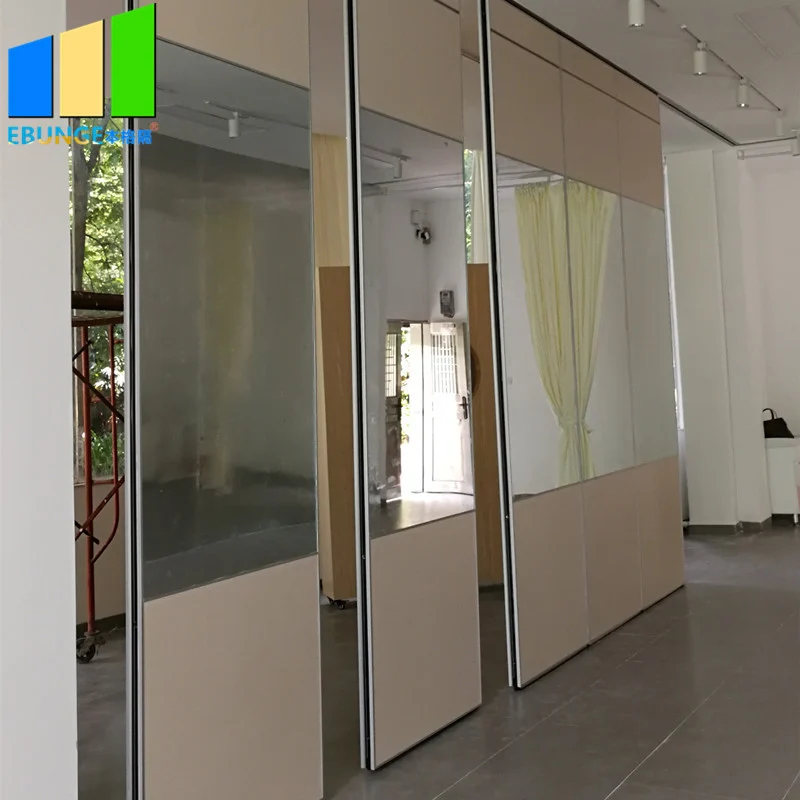
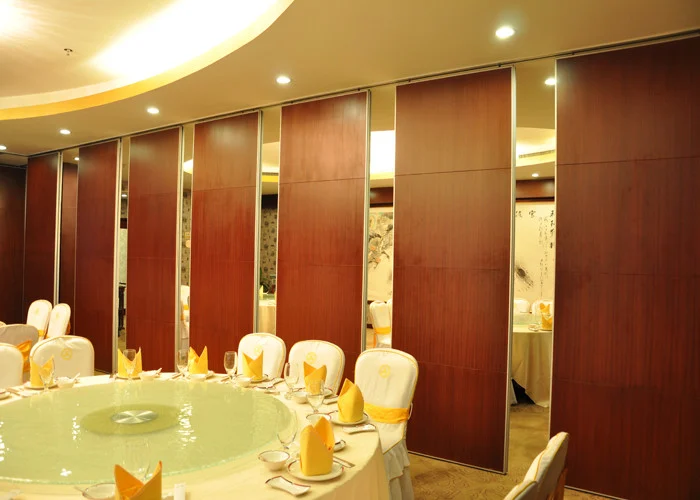
The conflict is especially visible in multipurpose venues, training suites, conference centers, and divisible halls. These spaces may use movable wall panels that are individually movable, suspended from a top track, cross the opening without a floor track, and park at a planned stacking position. That physical behavior has operational consequences for changeover planning, but those consequences must be confirmed against the actual layout rather than assumed from a generic description.
Map the Physical Route Before Rewriting the Rule
Coordination scope: room scheduling rule.
Before changing a scheduling rule, review the physical movement path. Straight, turning, and stacking routes are reviewed from the layout. Panel handling and the operating sequence must be confirmed for the selected layout and project conditions. The goal is not to promise a changeover time, but to identify where the scheduling rule and the physical route disagree.
Questions for the Drawing Review
- Where does each panel travel from its closed position to its parking position?
- Does the route remain on a continuous connected overhead track, or does it imply an untracked gap?
- Is the parking position coordinated with adjacent doors, circulation, and fixed furniture?
- Does the scheduling rule assume a clear floor during changeover, and does the layout support that assumption?
- Are pass-door requirements and project documentation discussed with the supplier early enough to inform the rule?

These questions do not produce a performance guarantee. The exact overhead route and support arrangement must be confirmed by the responsible project team from coordinated drawings.
Separate Scheduling Logic From Physical Reconfiguration
Checklist focus: room scheduling rule.
A common mistake is to treat the booking calendar as a complete model of the room. It is not. The calendar knows time; it does not know the panel route, the parking position, or the finish protection needs. When teams conflate the two, they may write a scheduling rule that is technically valid but operationally fragile.
The suitability of each route and parking arrangement depends on the approved layout, circulation, ceiling interfaces and operating sequence. The two documents should reference each other, but neither should silently absorb assumptions from the other.
Use a Conflict Resolution Checklist
Review focus: room scheduling rule.
The following checklist is designed for project teams who need a repeatable way to compare scheduling rules with changeover policies. It does not replace project-specific engineering review, but it helps surface the issues that require it.
- Identify the conflict type. Is the disagreement about time, access, route, storage, or responsibility?
- Locate the evidence. Which document or drawing supports each side of the conflict?
- Check the maintained product facts. Confirm that any assumption about panel movement matches the confirmed top-hung, floor-track-free behavior.
- Review the layout. Confirm straight, turning, and stacking routes from the application reference drawings.
- Confirm finish and protection needs. Finish options include laminate, melamine, fabric, leather, glass, and other approved surfaces; cleaning and protection requirements remain project-specific.
- Define the confirmation boundary. State clearly which items still require project-specific support, acoustic, and dimensional confirmation.
- Update both documents. Record the resolution in the scheduling rule and the changeover policy so the conflict does not reappear.
Coordinate Acoustic Expectations Without Overclaiming
If a room schedule places a noisy event next to a quiet one, the changeover policy may need to address sequencing, buffer time, or room assignment.
This is where many conflicts originate. A scheduling rule may assume that two adjacent rooms can operate independently, while the changeover policy may assume a different level of separation.
Document the Resolution and Its Limits
Every conflict resolution should include an evidence note. The note records what was confirmed, what remains open, and who is responsible for the next step.
Evidence note: Confirm project-specific support, acoustic, and dimensional requirements before finalizing any changeover policy. Do not infer hidden performance from visible finishes, photographs, or generic examples. Parking style is customized to the customer layout and project requirements and may support compact stacking when the coordinated design permits it.
For teams who need a starting point, the movable walls product page provides maintained public context. Additional planning context is available in the resources section. When the conflict involves pass-door requirements or project documentation, those items can be discussed directly with the supplier through the contact page.
Frequently Asked Questions
What is the first step when a scheduling rule conflicts with a changeover policy?
Start by identifying the conflict type: time, access, route, storage, or responsibility. Then locate the evidence behind each side. This prevents the discussion from becoming a debate about opinions rather than a review of documented requirements.
Can movable partitions resolve a scheduling conflict on their own?
No. Movable partitions are a physical system, not a scheduling tool. They can support flexible room division when the layout, route, and parking position are coordinated, but the scheduling rule and changeover policy still need to be aligned by the project team.
Do movable wall panels require a floor track?
EBUNGE movable wall panels are top-hung and move without a continuous floor running track or floor hardware along the partition line. Every proposed movement path still requires a continuous connected overhead route and project-specific support review.
How should acoustic performance be handled in a changeover policy?
If the schedule places incompatible uses next to each other, the changeover policy may need to address sequencing or room assignment. Confirm acoustic requirements for the specific project rather than relying on generic assumptions.
What finish options are available for movable partitions?
Confirmed finish options include laminate, melamine, fabric, leather, glass, and other approved surfaces. Cleaning compatibility and protection needs remain project-specific and should be confirmed against the actual specification.
When should the project team involve the supplier?
Involve the supplier as early as possible, especially when pass-door requirements, project documentation, or layout-specific routes are part of the conflict. Early coordination reduces the risk of a scheduling rule that the physical layout cannot support.
Conclusion: Resolve the Conflict Before It Reaches the Calendar
Changeover policy room scheduling rule conflict resolution is a coordination discipline, not a product feature. The most reliable approach is to separate time-based scheduling logic from physical reconfiguration steps, review the actual layout, and document every confirmation boundary. The exact route, junction arrangement, continuous overhead path and parking position must be confirmed from the coordinated project drawings.
If your team is facing a conflict between room scheduling rules and a changeover policy, start with the drawings and the maintained product facts. Then confirm the open items with the supplier. Contact EBUNGE to discuss pass-door requirements, project documentation, and layout-specific coordination for your next flexible-space project.