
Quick project answer
Review focus: changeover policy exception.
When a venue’s booking system promises a room setup that operations cannot deliver within the published changeover window, teams often need a changeover policy exception room booking rules decision. This article gives overseas contractors, architects, designers, owners and renovation teams a framework for reviewing that exception without inventing performance, cost or engineering conclusions. It focuses on what can be confirmed from drawings, maintained product facts and project-specific review.
Why Booking Rules Create Changeover Exceptions
Project review term: changeover policy exception.
Booking rules usually define how long a room is held, when setup can begin and what the next user expects. Panel handling and the operating sequence must be confirmed for the selected layout and project conditions. The exception is not automatically a product problem; it is often a coordination problem between sales promises, facility operations and the physical room.
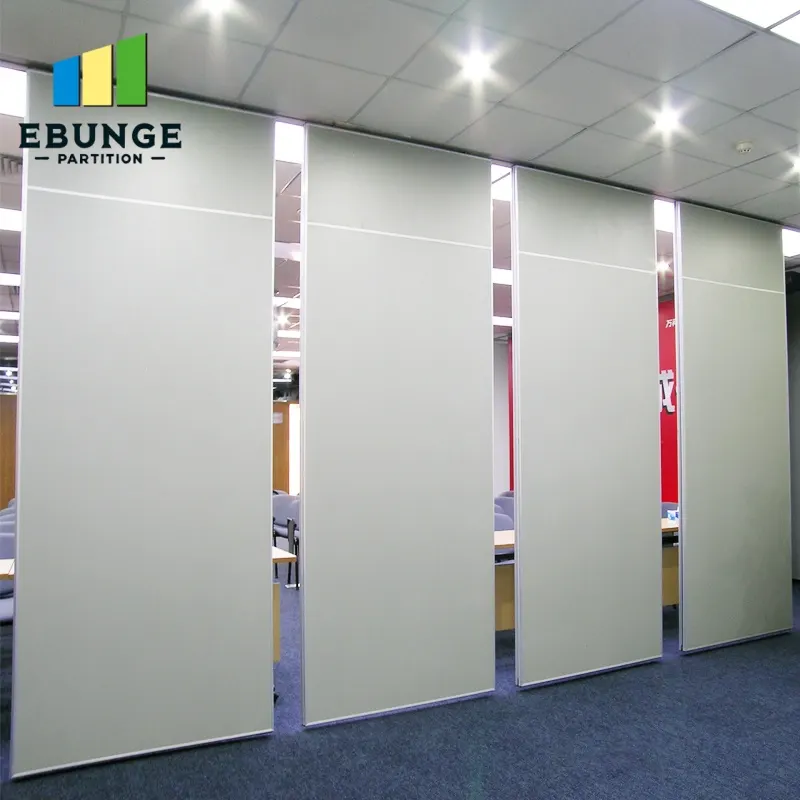
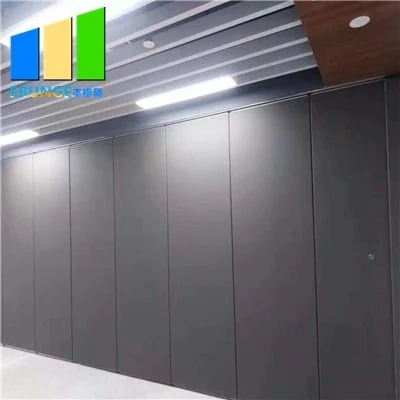
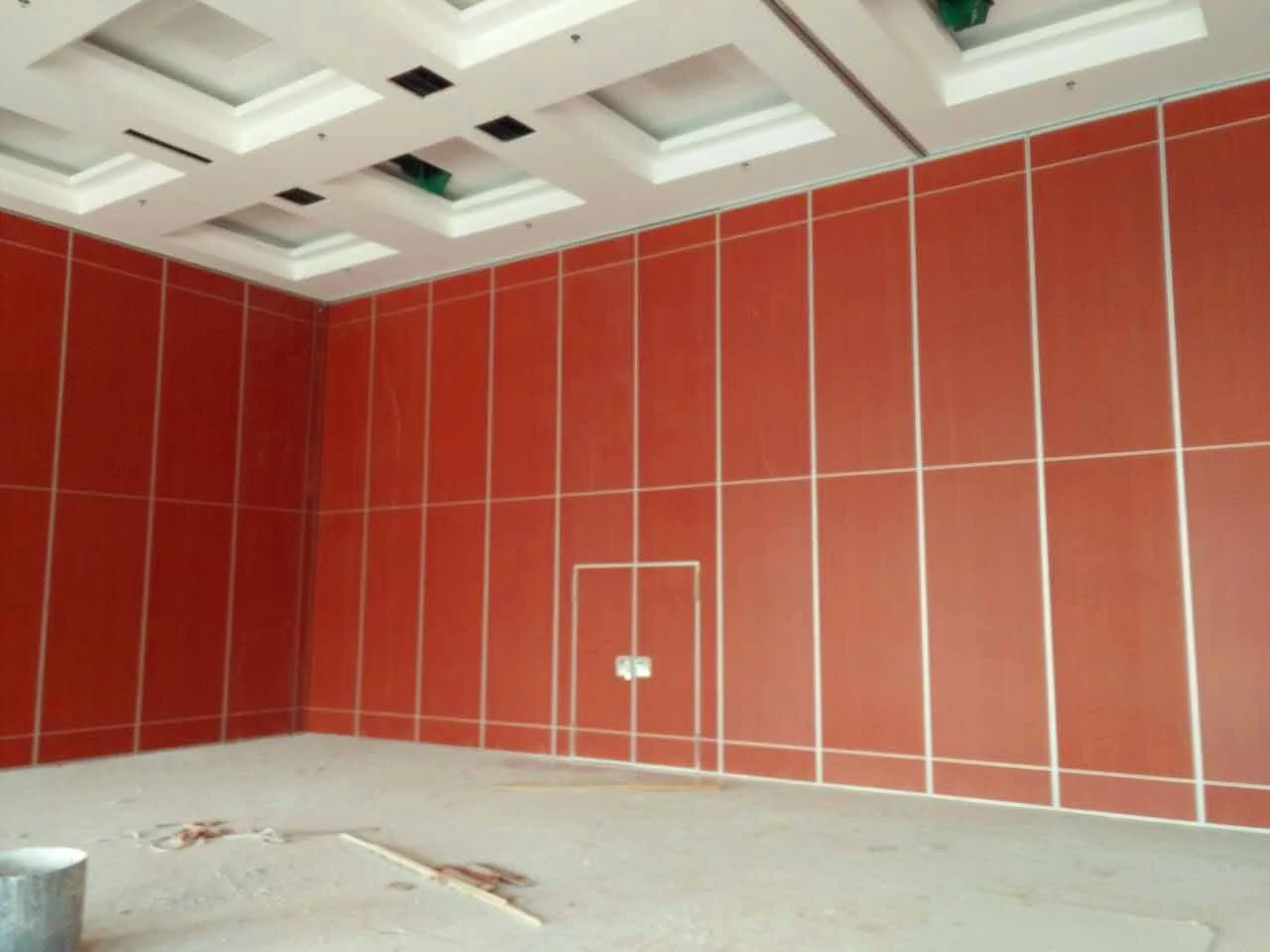
For movable partitions, the relevant question is whether the proposed changeover path matches the maintained product facts. EBUNGE movable wall panels are individually movable, suspended from a top track, cross the opening without a floor track and park at a planned stacking position. Straight, turning and stacking routes are reviewed from the layout. If a booking rule assumes a route that has not been reviewed, the exception should trigger a drawing check rather than an assumption.
What the Exception Usually Reveals
Most exceptions reveal one of three gaps: the room layout was never coordinated with the booking pattern, the stacking position conflicts with another use, or the pass-door requirement was not discussed early. None of these gaps can be resolved by a generic specification statement. They require project-specific confirmation.
Evidence Boundaries for Changeover Planning
Coordination scope: changeover policy exception.
Changeover planning is vulnerable to unsupported claims. The suitability of each route and parking arrangement depends on the approved layout, circulation, ceiling interfaces and operating sequence. A booking rule does not prove that a movement route is feasible. Project teams should separate maintained facts from project-specific requirements.
Evidence note: confirm project-specific support, acoustic and dimensional requirements before treating any changeover assumption as a design decision.
This boundary matters because changeover policy exceptions often travel through several documents: booking policy, operations manual, architectural drawing and procurement specification. If one document contains an unsupported statement, the exception may be repeated as if it were verified.
Statements That Need Project Evidence
- Any dimensional fit, stacking footprint or route clearance.
- Any support condition for the top track and building structure.
- Any pass-door location, size or operation requirement.
- Any finish suitability for a specific environment or cleaning regime.
A Drawing Review Process for Exceptions
Checklist focus: changeover policy exception.
A repeatable process helps teams move from exception to decision without overclaiming. The steps below are a coordination sequence, not a performance guarantee.
- Record the booking rule that is being exceeded and the exact room condition it assumes.
- Overlay the proposed changeover route on the current layout drawing.
- Mark the straight, turning and stacking routes for review.
- Identify the planned stacking position and check it against other room uses.
- Confirm whether a pass-door requirement exists and how it is documented.
- List finish options under consideration, such as laminate, melamine, fabric, leather, glass or other approved surfaces.
- Send the drawing set and exception description to the project contact for confirmation.
This process keeps the conversation on visible evidence. It also prevents a booking exception from being closed with a verbal assumption that later conflicts with the installed layout.
Coordinating Operations, Design and Procurement
Review focus: changeover policy exception.
Facility Operations Planning coordination is most effective when operations, design and procurement review the same drawing. Operations knows the booking pattern. Design knows the spatial intent. Procurement knows what has been specified. The exception sits between them.
| Review Area | Question to Confirm | Evidence Source |
|---|---|---|
| Booking rule | Which rule is being exceeded? | Current booking policy |
| Movement route | Are straight, turning and stacking routes shown? | Layout drawing |
| Parking position | Where do panels park when open? | Coordinated plan |
| Pass-door need | Is a pass-door required and documented? | Project documentation |
| Finish | Which approved surface is intended? | Finish schedule |
Use this table as a checklist, not as a substitute for project-specific review. Each row should have a named owner and a current document reference.
When the Exception Cannot Be Closed Internally
Some exceptions require input beyond the internal team. If the route, support condition, acoustic requirement or dimensional fit is unclear, the project should request confirmation rather than infer a result. The movable walls product page provides maintained product context, while the resources page supports broader buyer and project planning. Neither replaces a project-specific drawing review.
Specification Language for Changeover Exceptions
Specification language should describe the requirement without inventing a result. Instead of writing that a partition will solve a booking conflict, write that the changeover route, stacking position and pass-door requirement must be confirmed against the project layout.
If an acoustic requirement exists, it should be stated as a project-specific confirmation item.
Documentation to Keep Together
- The booking rule and the exception request.
- The current layout drawing with movement routes marked.
- The planned stacking position.
- The pass-door requirement, if any.
- The finish schedule and approved surface options.
- Any project-specific support, acoustic and dimensional confirmations.
FAQ: Changeover Policy Exception Room Booking Rules
What is a changeover policy exception in room booking?
It is a situation where a room must change between uses outside the standard booking rule. The exception should be reviewed against the layout, movement route and project documentation.
Do movable partitions remove the need for changeover rules?
No. Movable partitions support flexible division and reconfiguration, but booking rules still govern time, access and room readiness. The physical route and stacking position must be coordinated.
Can a changeover exception be approved from a finish sample alone?
No. Those items require project-specific review.
What should be confirmed before specifying a pass-door?
Confirm whether a pass-door is required, where it should be located and how it is documented. Pass-door requirements and project documentation can be discussed with the project contact.
How should STC or Rw be handled in a changeover specification?
Any acoustic requirement should be confirmed for the specific project and opening condition.
Which finish options can be considered?
Confirmed finish options include laminate, melamine, fabric, leather, glass and other approved surfaces. Suitability for a specific environment still requires project confirmation.
Conclusion and Contact CTA
Record the booking rule, review the layout, mark the straight, turning and stacking routes, identify the parking position and confirm pass-door and finish requirements. Keep every statement within maintained product facts and project-specific evidence.
If your team is evaluating a changeover exception, contact EBUNGE to discuss project documentation, pass-door requirements and drawing review. Confirm project-specific support, acoustic and dimensional requirements before finalizing any specification.