
Quick answer: changeover plan ownership facility staff turnover
Review focus: changeover plan ownership facility staff turnover.
Changeover plan ownership facility staff turnover is a practical risk that surfaces when the people who operate a flexible room move on. A movable wall system may be installed correctly, yet the daily routine for opening, closing and parking panels can become unclear if no one owns the written plan. This article offers an evidence-bounded framework for contractors, architects, designers, owners and facility teams who need continuity across staff changes.
The focus is on coordination and documentation, not on hidden performance. Every recommendation should be checked against the project drawings, the maintained product facts and the specific requirements of the venue.
Why Changeover Knowledge Disappears With Staff
Project review term: changeover plan ownership facility staff turnover.
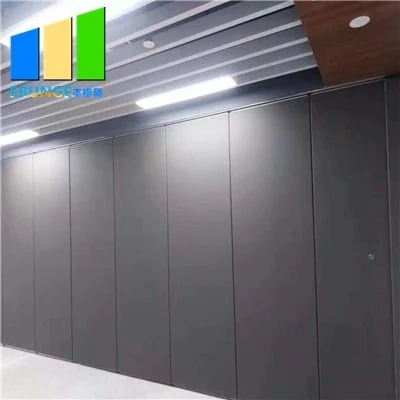
Movable wall panels are individually movable, suspended from a top track, and cross the opening without a floor track. They park at a planned stacking position. The suitability of each route and parking arrangement depends on the approved layout, circulation, ceiling interfaces and operating sequence.
When a facility manager, events coordinator or maintenance lead leaves, the new person may inherit a room but not the logic behind it. They may not know which panels travel first, where the stacking zone sits, or which routes were reviewed during layout planning. The result is inconsistent operation and avoidable uncertainty.
The difference between a product and a plan
The product is the panel system. The plan is the project-specific agreement about how that system is used, stored and handed over. Ownership of the plan is a management decision, not a product feature.
Assigning Ownership Before the Handover
Coordination scope: changeover plan ownership facility staff turnover.
A named owner does not need to operate the wall personally. They need to hold the current plan, know where it is stored and confirm that new staff receive it. Ownership should be assigned before the first handover, not after a problem appears.
- Name a primary owner. Choose a role, not just a person, so the responsibility survives individual turnover.
- Name a backup. A second role should be able to locate and explain the plan.
- Record the scope. State which rooms, routes and stacking positions the plan covers.
- Set a review trigger. Review the plan when staff change, when the layout changes or when the room use changes.
- Confirm the evidence. Keep drawings, finish schedules and project correspondence together.
Documenting Routes, Parking and Pass-Doors
Checklist focus: changeover plan ownership facility staff turnover.
Straight, turning and stacking routes are reviewed from the layout. That review is the foundation of a usable changeover plan. A new operator should be able to see the intended path without guessing.

What the drawing review should show
The layout review should identify the opening, the travel path and the planned stacking position. It should also show how the panels relate to adjacent walls, columns and fixed elements. Where a pass-door is required, that requirement should be discussed and documented as part of the project scope.
Visible references can support layout discussion but do not verify hidden construction or performance. Those items require project-specific confirmation. The changeover plan should reference the approved drawings rather than replace them.
Finish and surface information
Confirmed finish options include laminate, melamine, fabric, leather, glass and other approved surfaces. The plan can note the approved finish for each panel or room, but it should not treat a finish as evidence of cleaning compatibility, durability or acoustic behaviour.
Building a Handover Checklist That Survives Turnover
Review focus: changeover plan ownership facility staff turnover.
A checklist is useful only if it points to real project documents. It should help a new team member find the plan, understand the route and know who to contact when something is unclear.
| Item | What to record | Why it matters |
|---|---|---|
| Plan owner | Primary and backup role | Keeps responsibility visible |
| Route review | Straight, turning and stacking paths | Supports consistent operation |
| Stacking position | Planned parking location | Reduces confusion during changeover |
| Pass-door scope | Requirement and project discussion | Clarifies agreed inclusions |
| Finish schedule | Approved surface per panel or room | Connects the plan to the specification |
| Document set | Drawings and correspondence | Gives new staff a single source |
Coordinating Across Contractors, Designers and Owners
The contractor may hold installation and route information. The architect or designer may hold layout and finish intent. The owner or facility team holds the operational routine.
Turnover often exposes gaps between these roles. A short coordination note can record who holds which document and who confirms changes. This is not a performance claim; it is an administrative control.
Questions to ask at each handover
- Who is the current plan owner, and who is the backup?
- Where is the latest approved layout drawing stored?
- Which routes and stacking positions were reviewed?
- Are pass-door requirements documented for this project?
- Which finish schedule applies to each room?
- Who confirms a change when the room use changes?
Evidence Boundaries for Changeover Documentation
Where acoustic requirements matter, they need project-specific confirmation.
The exact overhead route and support arrangement must be confirmed by the responsible project team from coordinated drawings. The plan should state what is confirmed and what still requires review.
Evidence note: a changeover plan is a coordination document. It should point to approved project information rather than create new performance claims.
Keeping the Plan Current After Turnover

Assign a review point when staff change, when the room layout changes or when the building use changes. The review does not need to be complex; it needs to confirm that the named owner, the drawings and the route information still match the room.
New staff should be able to locate the plan and understand the intended sequence. If they cannot, the ownership model needs attention before the next changeover.
FAQ
Who should own a movable wall changeover plan?
A named facility or operations role should own it, with a backup role. The owner maintains the document and confirms that new staff receive it.
What should a changeover plan include?
It should reference the approved layout, the straight, turning and stacking routes, the planned parking position, pass-door requirements and the finish schedule.
Do movable partitions need a floor track?
EBUNGE movable partition panels are top-hung and move without a continuous floor running track or floor hardware along the partition line. Every proposed movement path still requires a continuous connected overhead route and project-specific support review.
Can a changeover plan confirm acoustic performance?
No. A changeover plan should not present a rating as a guaranteed outcome.
How often should the plan be reviewed?
Review it when staff change, when the layout changes or when room use changes. The review confirms that the document still matches the project.
Where can project teams get help with documentation?
Project documentation and pass-door requirements can be discussed with the EBUNGE team through the contact page. General product context is available on the movable walls page, and further planning material is in the resources section.
Conclusion
Changeover plan ownership facility staff turnover is manageable when responsibility is named, routes are documented and the plan points to approved project information. The goal is continuity, not a promise of performance. Confirm support, acoustic and dimensional requirements for each project before relying on any operational assumption.
To discuss your layout, finishes or documentation needs, contact EBUNGE and share the project drawings for review.