
Quick project answer
Review focus: room turn data.
Building a changeover labor budget from room turn data is a planning exercise, not a performance promise. The goal is to translate observed room turnover patterns into a defensible labor allowance that survives review by owners, contractors and facility teams. This article sets out an evidence-bounded method for changeover labor budget room turn data, with clear boundaries on what must be confirmed from project drawings and what must not be assumed.
What Room Turn Data Can and Cannot Tell You
Room turn data describes how often a space changes use, how long each changeover takes and which room combinations occur. It is useful for shaping a labor budget because it exposes frequency and sequence. It does not, by itself, prove how a movable partition will perform, how many people are needed or how long a specific panel route will take.
Treat turn data as demand evidence, not capability evidence. A room that turns four times a week tells you the changeover happens often. It does not tell you whether the partition system, storage position or route can support that rhythm. Those questions belong to drawing review and project-specific confirmation.
Separate observed data from assumed data
Before any budget line is written, split the inputs into two columns: what the facility actually recorded, and what the team is assuming. Recorded data might include event dates, room names and setup notes. Assumptions might include how long a route takes or how many staff are available. Assumptions must be labeled and tested, not buried inside a total.
Build the Changeover Labor Budget in Six Steps
- Collect turn records. Gather room schedules, event logs and setup notes for a representative period. Note gaps and inconsistent entries.
- Group turns by pattern. Classify changeovers by room pair, direction and frequency rather than treating every turn as identical.
- Map each pattern to a route. For movable partitions, confirm whether the route is straight, turning or stacking, and whether it is a continuous connected overhead route.
- List labor activities. Identify the tasks that the budget must cover, such as moving panels, resetting furniture and checking the room before use.
- Apply a documented allowance. Use a clearly stated planning allowance per activity, and mark it as an assumption to be validated.
- Review against drawings. Check the budget against the coordinated layout, parking position and support review before it is issued.
Why the Partition Route Changes the Labor Picture
EBUNGE movable wall panels are individually movable and suspended from a top track. They cross the opening without a floor track and park at a planned stacking position. That configuration matters for labor planning because the route is a design decision, not a default. Straight, turning and stacking routes are reviewed from the layout, and each route can imply a different sequence of movement.
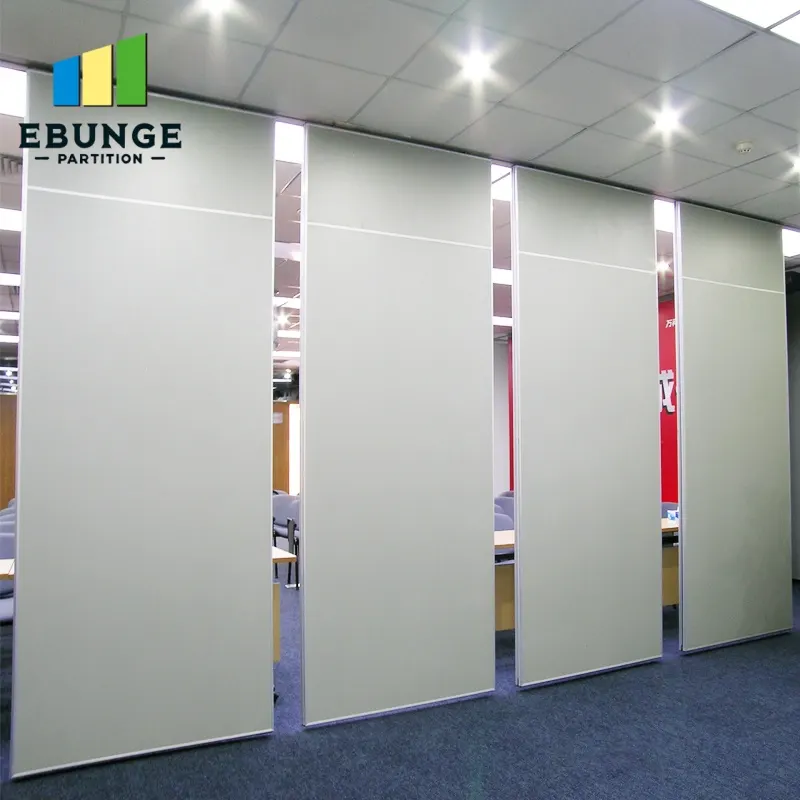
The exact route, junction arrangement, continuous overhead path and parking position must be confirmed from the coordinated project drawings. Every proposed movement path requires a continuous connected overhead route and project-specific support review. If the layout shows a gap, a change of direction or a parking area that has not been coordinated, the labor budget should carry an open item rather than a guessed allowance.
Parking position and stacking
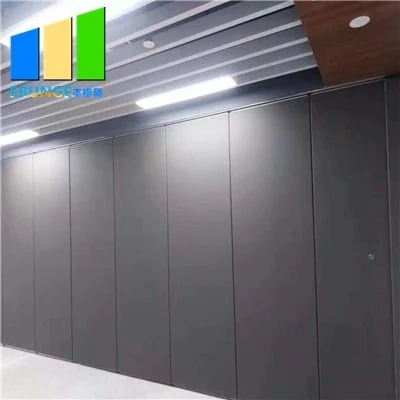
Parking style is customized to the customer layout and project requirements, and may support compact stacking when the coordinated design permits it. For budgeting, the practical question is where panels rest between turns and whether that position is reachable within the room’s normal circulation. Confirm this from the layout rather than from a generic assumption.
Evidence Note: What Must Be Confirmed Per Project
Visible references can support layout discussion but do not verify hidden construction or performance. Comparative, absolute and causal statements require matching evidence. Where evidence is not available, state the exact project-specific confirmation boundary instead of filling the gap with an estimate.
This boundary protects the budget. A labor allowance built on unverified performance assumptions will not survive a value-engineering review. A labor allowance built on labeled assumptions and drawing-based route review can be adjusted transparently as the project develops.
Turn Data to Budget: A Compact Comparison
| Input | What it supports | What it does not support |
|---|---|---|
| Turn frequency | Demand pattern and peak periods | Time per changeover |
| Room pairings | Route and stacking scenarios to review | Panel movement feasibility |
| Setup notes | Activity list for labor allowance | Staffing numbers or task duration |
| Coordinated layout | Route, parking and support review | Acoustic or structural performance |
Coordinating the Budget With Facility Operations Planning
Facility operations planning coordination is where the budget meets reality. Operations teams know which turns are routine and which are exceptions. Contractors and architects know which layout constraints are fixed. Bringing these views together early prevents the budget from being built on a single department’s assumptions.
Use a short coordination checklist before the budget is issued. Confirm who owns each assumption, when it will be validated and what happens if the route or parking position changes. The suitability of each route and parking arrangement depends on the approved layout, circulation, ceiling interfaces and operating sequence.
Documentation to request
Pass-door requirements and project documentation can be discussed with the supplier. For budgeting, request the layout drawings, the proposed parking position and any notes on route continuity. These documents let the team align the labor allowance with the coordinated design instead of a generic template.
Finish Choices and Their Budget Relevance
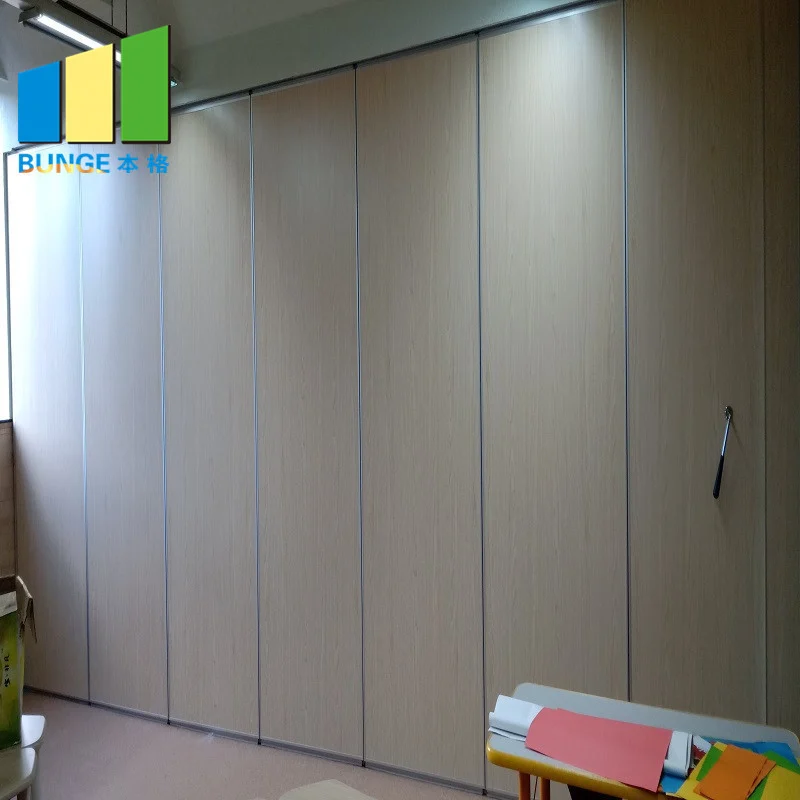
Confirmed finish options include laminate, melamine, fabric, leather, glass and other approved surfaces. Finish selection can affect handling care and surface protection during changeovers, but it should not be used to infer acoustic, durability or maintenance performance. If a finish is chosen for a specific operational reason, record that reason in the project file so the labor budget reflects the actual handling requirement.
Where acoustic separation matters, confirm the project-specific requirement with the supplier and the design team.
FAQ: Changeover Labor Budget and Room Turn Data
What is the first step in building a changeover labor budget from room turn data?
Start by separating recorded turn data from assumptions. Recorded data shows frequency and sequence; assumptions cover time, staffing and route behavior. Labeling both prevents an assumed figure from being treated as a measured result.
Can room turn data alone determine how many staff are needed?
No. Turn data shows demand, not task duration or staffing. The number of people required depends on the project-specific route, layout and operating procedure, which must be confirmed separately.
How does a movable partition route affect the labor budget?
Straight, turning and stacking routes are reviewed from the layout. Each route can imply a different movement sequence, so the budget should reflect the coordinated route rather than a generic assumption.
Do EBUNGE movable partitions require a floor track?
EBUNGE movable wall panels are top-hung and cross the opening without a floor track. The panels park at a planned stacking position. Every proposed movement path still requires a continuous connected overhead route and project-specific support review.
What documentation should be requested for budget review?
Request layout drawings, the proposed parking position and notes on route continuity. Pass-door requirements and project documentation can be discussed with the supplier so the labor allowance aligns with the coordinated design.
Can finish selection be used to estimate acoustic performance?
No. Finish options such as laminate, melamine, fabric, leather and glass are surface choices. They should not be used to infer acoustic, durability or maintenance performance. Confirm project-specific acoustic requirements separately.
Conclusion: Keep the Budget Evidence-Bounded
A changeover labor budget built from room turn data is only as strong as its assumptions. Use turn records to understand demand, use drawings to understand routes and parking, and label every allowance that still needs confirmation. Avoid converting visible finishes or generic expectations into performance claims.
The exact overhead route and support arrangement must be confirmed by the responsible project team from coordinated drawings. Review the movable wall systems, explore planning resources, or contact EBUNGE to discuss your layout and documentation.