
Quick answer: changeover crew coverage
Review focus: changeover crew coverage.
Changeover crew coverage overlapping bookings planning is a facility operations exercise, not a guess about how fast a room can be reset. When two bookings overlap, the risk is rarely the partition itself. The risk is assuming that a route, a parking position or a support condition has already been confirmed when it has not. This article gives contractors, architects, designers, owners and renovation teams a drawing-led framework for coordinating changeover coverage without inventing performance, manpower or timing claims.
Start With the Booking Overlap, Not the Crew
Project review term: changeover crew coverage.
Two bookings overlap when the outgoing event has not fully released the space before the incoming event needs it. The planning question is which physical conditions must be true before a reset can begin. For a top-hung movable partition, panels are individually movable, suspended from a top track, cross the opening without a floor track, and park at a planned stacking position. Those maintained facts define the route logic. They do not define crew size, reset duration or acoustic outcome.
Begin by mapping the overlap in plain operational terms: which room, which opening, which parking zone and which adjacent circulation area are involved. Then mark every assumption that still needs project-specific confirmation. The suitability of each route and parking arrangement depends on the approved layout, circulation, ceiling interfaces and operating sequence.
Review the Layout for Straight, Turning and Stacking Routes
Coordination scope: changeover crew coverage.
Straight, turning and stacking routes are reviewed from the layout. That review is the foundation of any credible changeover plan. A route that looks simple on a floor plan may cross a service corridor, pass a column or compete with catering movement. None of those conflicts can be resolved by a generic rule.
What the route review should capture
- The full path from the closed partition line to the planned stacking position.
- Any turning point where panel movement changes direction.
- The parking zone and how it relates to adjacent doors, lifts or service areas.
- The exact route, junction arrangement, continuous overhead path and parking position must be confirmed from the coordinated project drawings.
- Areas where two bookings would place competing movement demands at the same time.
Visible references can support layout discussion but do not verify hidden construction or performance. The drawing shows geometry and intent. It does not prove engineering outcomes.
Build a Changeover Coverage Checklist
Checklist focus: changeover crew coverage.
A checklist turns an overlap conversation into a sequence of confirmations. It also prevents one team from assuming another team has already verified a condition. The following checklist is deliberately evidence-bounded; each item should be answered with a drawing reference or a named confirmation, not an assumption.
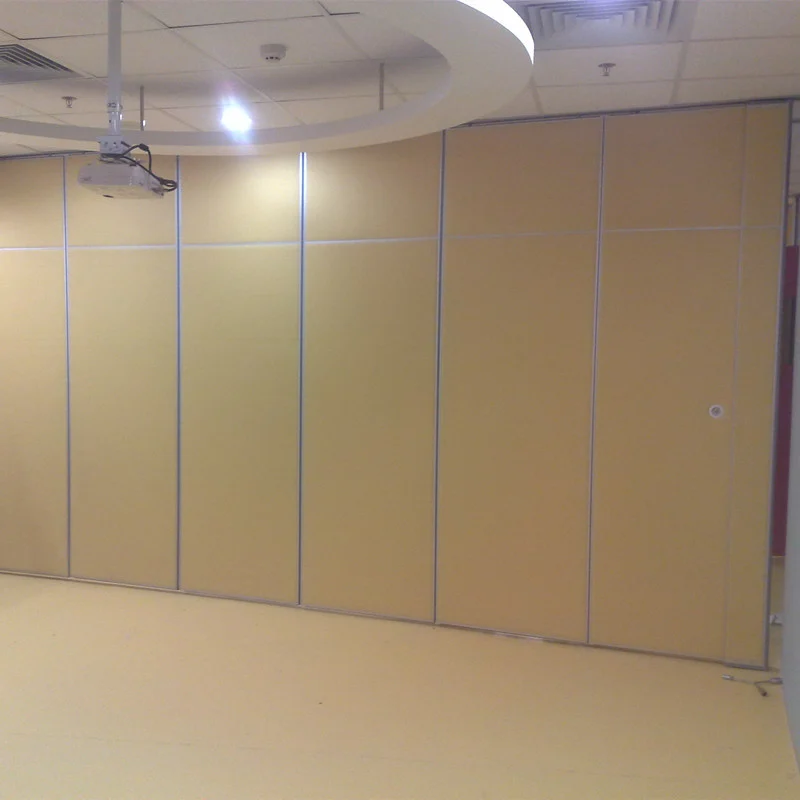
| Planning item | What to confirm | Evidence boundary |
|---|---|---|
| Opening and route | Straight, turning and stacking paths shown on the layout | Requires drawing review; do not infer support or performance |
| Parking position | Planned stacking location and its relationship to adjacent uses | Customized to layout; confirm project-specific requirements |
| Finish and surface | Laminate, melamine, fabric, leather, glass or other approved surfaces | Finish choice does not prove acoustic or structural results |
| Pass-door needs | Whether a pass-door requirement applies to the room | Discuss with the project team; confirm documentation |
| Acoustic intent | Conceptual STC or Rw target for the space | Confirm project-specific acoustic requirements; no direct decibel count |
| Documentation | Drawings, schedules and coordination notes | Project documentation can be discussed; confirm scope |
Coordinate the Overlap Across Disciplines
Review focus: changeover crew coverage.
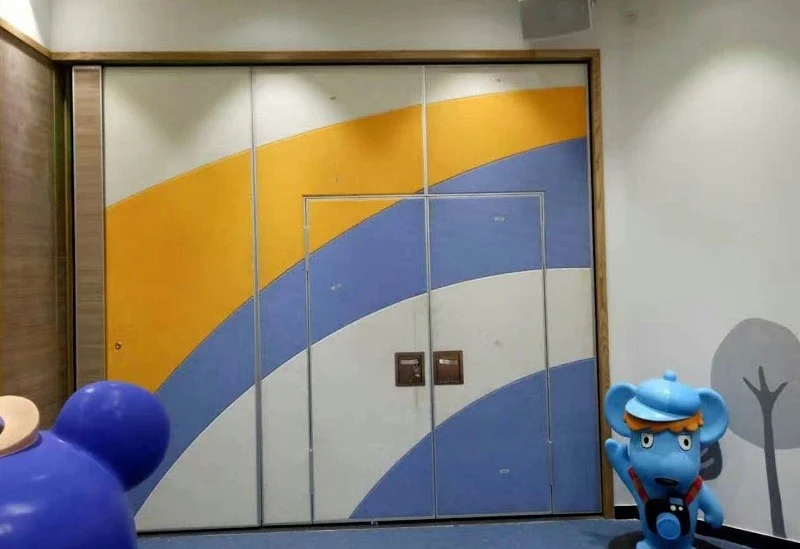
Overlapping bookings often expose coordination gaps between operations, AV, catering, cleaning and security. A changeover plan should state which team releases the space, which team confirms the route is clear, and which team confirms the parking position is available. Those are operational responsibilities, not product claims.
For Facility Operations Planning coordination, hold one short review before the overlap date. Walk the route on the drawing, not from memory. Confirm that the overhead route is continuous and connected for every proposed movement path.
Questions to resolve before the overlap
- Which booking releases the space first, and what condition must it leave behind?
- Which route will the changeover use, and who confirms it is clear?
- Where will panels park, and does that position conflict with the incoming booking?
- Which finish or surface protection requirements apply to the room?
- Which acoustic, dimensional and support requirements still need written confirmation?
Set Evidence Boundaries for the Changeover Plan
An evidence note protects the project from false certainty. It records what is known, what is assumed and what must be confirmed. This is especially important when a client asks for a simple answer about whether a room can be reset between two bookings.
Confirm project-specific support, acoustic and dimensional requirements before treating any changeover sequence as final. A layout review shows route intent; it does not certify structural capacity, acoustic performance or operational duration.
Use the same discipline for finishes. Laminate, melamine, fabric, leather, glass and other approved surfaces are confirmed finish options. If a booking depends on a specific surface behavior, that requirement needs its own confirmation.
Document the Plan and Its Limits
Project documentation can be discussed with the EBUNGE team, and pass-door requirements can be reviewed alongside the layout. The goal is a changeover plan that a contractor, designer and facility owner can all read the same way. That means marking every route, parking position and confirmation point on the same drawing set.
Keep the language precise. If a stakeholder asks for a guarantee, redirect the conversation to the confirmation boundary and the drawing review.
Frequently Asked Questions
What does changeover crew coverage overlapping bookings planning actually cover?
It covers the operational coordination needed when two bookings overlap, including route review, parking position, release conditions and the confirmations that must happen before a reset. It does not establish crew size, duration or performance outcomes.
Can movable partitions be reset without a floor track?
EBUNGE movable partition panels are top-hung and move without a continuous floor running track or floor hardware along the partition line. Every proposed movement path still requires a continuous connected overhead route and project-specific support review.
How should we plan the parking position for an overlapping booking?
Parking style is customized to the customer layout and project requirements and may support compact stacking when the coordinated design permits it. Confirm the planned stacking position against the layout and the incoming booking’s needs.
Do finish options affect changeover planning?
Confirmed finish options include laminate, melamine, fabric, leather, glass and other approved surfaces. Finish selection is a design and coordination decision.
What should be confirmed before the overlap date?
Confirm project-specific support, acoustic and dimensional requirements, along with pass-door needs and project documentation. Also confirm that the route and parking position shown on the layout remain available during the overlap window.
Can EBUNGE confirm acoustic performance for our room?
Do not rely on a generic rating as a final answer.
Conclusion: Plan the Confirmation, Then the Coverage
Review straight, turning and stacking routes from the layout. Record the parking position, finish requirements, pass-door needs and acoustic intent. Mark every item that still needs project-specific support, acoustic or dimensional confirmation. Then coordinate the operational release sequence across disciplines.
This approach keeps the changeover conversation honest. It uses maintained product facts, visible evidence limits and drawing review instead of unsupported promises. For project-specific guidance, review the movable wall systems, explore the planning resources, or contact EBUNGE to discuss your layout, documentation and pass-door requirements.