
Quick project answer
Review focus: changeover crew absenteeism coverage planning.
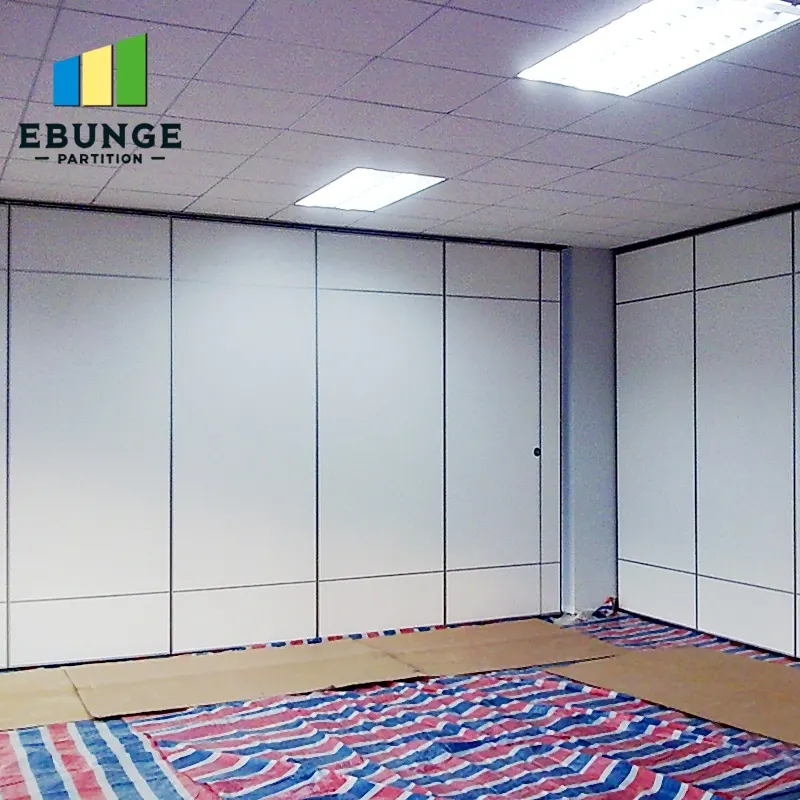
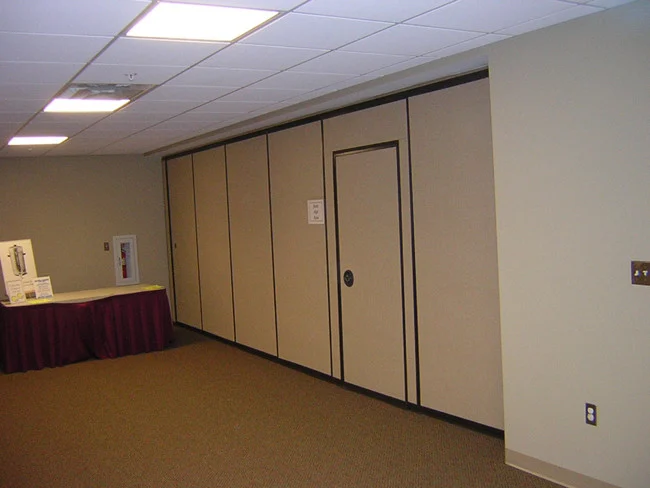
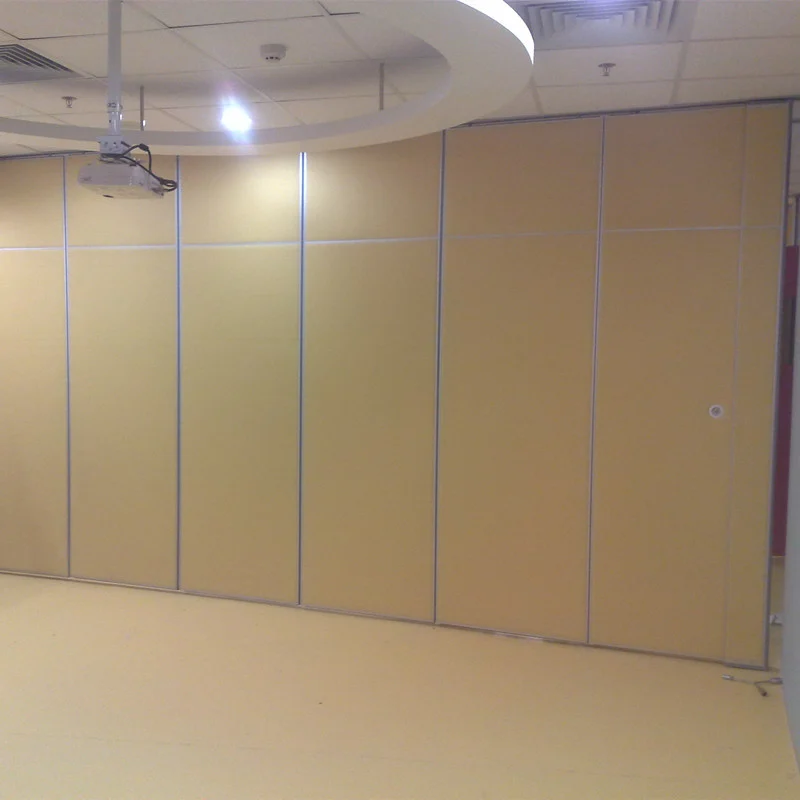
Changeover crew absenteeism coverage planning is the discipline of keeping flexible-space changeovers on schedule when trained staff are unavailable during peak booking weeks. The suitability of each route and parking arrangement depends on the approved layout, circulation, ceiling interfaces and operating sequence. Movable partitions are individually movable, top-hung and cross the opening without a floor track, so the physical changeover itself depends on a continuous overhead route and a planned stacking position rather than floor hardware. That distinction matters when coverage is thin.
Why Peak Booking Weeks Expose Coverage Gaps
Project review term: changeover crew absenteeism coverage planning.
Peak weeks concentrate changeovers into short windows. A venue may need a room divided for a morning session, opened for a lunch service and divided again for an evening event. When absenteeism removes even one trained person, the sequence can stall at the first panel rather than at the last.
The operational risk is not only labour. It is the loss of familiarity with the approved route. Straight, turning and stacking routes are reviewed from the layout, so a substitute crew that has not walked the route may hesitate at a turning point or park panels in the wrong order. Coverage planning therefore starts with route knowledge, not with a headcount target.
Separate fixed tasks from flexible tasks
Some changeover tasks are tied to the building and the approved drawing. Others are administrative and can be covered by cross-trained staff. Mapping this split before peak season prevents last-minute improvisation that could conflict with the reviewed layout.
Build a Coverage Plan from the Approved Layout
Coordination scope: changeover crew absenteeism coverage planning.
Every coverage decision should trace back to the project drawings. The layout defines where panels travel, where they park and which openings they serve. If the drawing is unclear, the correct action is to request clarification rather than to invent a shortcut.
- Confirm the current approved layout and any revision status with the project team.
- List each changeover route: straight, turning and stacking, as shown on the drawing.
- Identify the parking position for each panel group and note any access constraints.
- Mark tasks that require route familiarity versus tasks that are purely preparatory.
- Assign a named backup for each critical role, subject to site induction and training.
- Record open questions for the designer, contractor or supplier before peak weeks begin.
This process does not create engineering conclusions. It simply aligns people with the reviewed plan. Where a route or support condition is not shown, treat it as an open item for project-specific confirmation.
Cross-Training Without Inventing Capability
Checklist focus: changeover crew absenteeism coverage planning.
Cross-training is useful when it stays inside verified competence. A staff member who has walked the route and understands the parking sequence can provide meaningful backup.
Use a simple competence check before peak season. Ask each potential backup to describe the route, identify the parking position and explain what they would do if a panel does not move as expected. If the answer is unclear, the gap belongs in the training plan, not in the roster.
Document what substitutes may and may not do
Give substitutes a one-page route card derived from the approved drawing. It should show the opening, the travel direction and the parking zone. It should also state clearly that any deviation, obstruction or unexpected resistance is a stop-and-report condition.
Evidence Boundaries for Coverage Decisions
Review focus: changeover crew absenteeism coverage planning.
Visible references can support layout discussion but do not verify hidden construction or performance. Confirm project-specific support, acoustic and dimensional requirements with the responsible parties before relying on any coverage assumption.
This boundary protects the project. Coverage planning can describe roles, sequences and escalation paths. It cannot substitute for engineering review, acoustic design or site-specific approval.
The project team should confirm the required rating and the evidence that supports it.
Coordination Across Contractors, Designers and Owners
Absenteeism coverage is a shared responsibility. The owner defines the booking pressure. The contractor controls site access and induction. The designer confirms the layout intent. The supplier clarifies product facts and documentation. When these parties agree on the escalation path before peak weeks, a single absence does not become a cancelled event.
| Decision area | Who confirms | What to record |
|---|---|---|
| Approved layout and route | Designer and contractor | Drawing revision and open questions |
| Parking position | Project team | Location and access notes |
| Substitute competence | Operations lead | Training status and route walk |
| Acoustic and dimensional requirements | Responsible project parties | Confirmed requirements and evidence |
Use this table as a coordination checklist, not as a performance claim. Each row should be closed with project-specific confirmation.
Practical Coverage Tactics for Peak Weeks
Start with the changeovers that cannot move. If a booking depends on a specific room configuration, protect the crew assigned to that route. Then group lower-risk changeovers so that one trained person can supervise while others prepare the space.
Keep a live list of absent roles and their backups. Review it at the start of each peak day. If a backup has not completed the route walk, treat the role as uncovered and escalate early rather than late.
Use pass-door and documentation questions early
Pass-door requirements and project documentation can be discussed with the supplier so that access needs are understood before peak season. This is a planning conversation, not a performance guarantee. It helps the team avoid discovering an access constraint during a live changeover.
Finish options such as laminate, melamine, fabric, leather, glass and other approved surfaces may affect handling care and cleaning routines. Confirm the approved finish and its care requirements with the project team rather than assuming a generic method.
FAQ: Changeover Crew Absenteeism Coverage Planning
What is changeover crew absenteeism coverage planning?
It is the process of preparing backup roles, route knowledge and escalation paths so that peak-week changeovers can continue when trained staff are absent. It relies on the approved layout and project-specific confirmation.
Can a substitute crew operate movable partitions without training?
No. Substitutes should only perform tasks within their verified competence. Route familiarity, parking sequence and stop-and-report conditions should be confirmed before peak weeks.
Do movable partitions need a floor track for changeovers?
EBUNGE movable partition panels are top-hung and move without a continuous floor running track or floor hardware along the partition line. The movement path still requires a continuous connected overhead route and project-specific support review.
How should acoustic requirements be handled in a coverage plan?
Confirm the project-specific acoustic requirement and the supporting evidence with the responsible parties.
What should be documented before peak booking weeks?
Record the approved layout revision, straight, turning and stacking routes, parking positions, substitute competence status and open questions for the designer, contractor or supplier.
Where can project teams get clarification?
Review the movable wall product information and the project resources, then contact the team to discuss pass-door requirements, documentation and project-specific confirmation.
Conclusion: Plan Coverage Around Confirmed Facts
Define the routes, protect the parking positions, train the backups and escalate open questions early. Do not convert a coverage plan into an unsupported performance promise. Confirm project-specific support, acoustic and dimensional requirements with the responsible parties, and keep the escalation path visible throughout peak booking weeks.
To discuss your layout, documentation and coverage questions, contact EBUNGE and share the project drawings for review.