
Quick answer: movable partition track zone above
Review focus: movable partition track zone above.
On many projects, the movable partition track zone above-ceiling service corridor handover certificate is the document that finally separates two trades that have been sharing the same void without agreeing on boundaries. The certificate is not a performance guarantee. It is a signed record that reserved space above the ceiling line has been cleared of encroachments and is ready for track fixing. This article sets out a practical certificate-and-register method for overseas project teams.
Why the Above-Ceiling Track Zone Needs a Formal Handover
Project review term: movable partition track zone above.
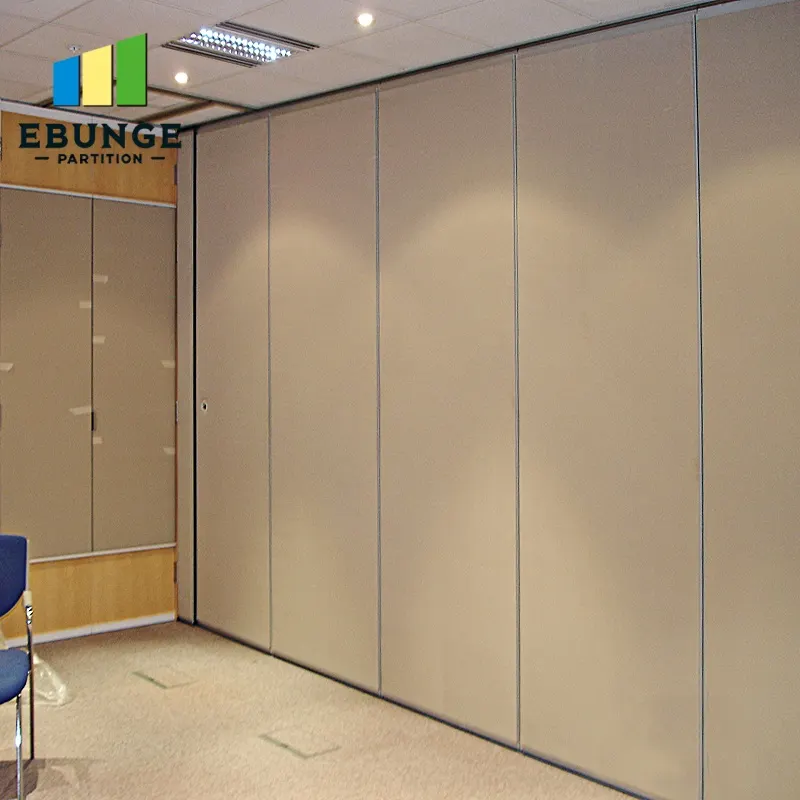
Movable partition panels are individually movable, suspended from a top track, cross the opening without a floor track, and park at a planned stacking position. That top track must follow a continuous connected overhead route. Ductwork, conduit, sprinkler pipe and cable tray often occupy the same ceiling void. Without a formal handover, the track trade can arrive to find its reserved corridor blocked or partially filled.
A handover certificate creates a single point of release. It confirms that the reserved corridor has been inspected, that encroachments have been logged, and that the partition track trade may proceed. The encroachment release register records what was found, who cleared it, and when. Together they give the project team a defensible sequence rather than an informal verbal clearance.
What the Handover Certificate Should Record
Coordination scope: movable partition track zone above.
The certificate should identify the project, the drawing revision, the reserved corridor reference, and the date of inspection. It should list the services present in the corridor and confirm that each has been checked against the agreed clearance envelope. It should state that the corridor is released to the partition track trade, subject to any listed exceptions.
Minimum certificate fields
- Project name, location and drawing revision number.
- Reserved above-ceiling corridor reference and extent.
- Services inspected: ductwork, conduit, sprinkler pipe, cable tray and any other installed service.
- Encroachment status: clear, partially clear, or unresolved with a reference to the register.
- Release statement naming the partition track trade as the receiving party.
- Signatures and dates from the releasing and receiving parties.
The suitability of each route and parking arrangement depends on the approved layout, circulation, ceiling interfaces and operating sequence. It is a coordination record. The exact route, junction arrangement, continuous overhead path and parking position must be confirmed from the coordinated project drawings.
Using the Encroachment Release Register
Checklist focus: movable partition track zone above.
The register is a live log. Each row should capture one encroachment or one clearance action. It should be updated as services are moved, re-routed or confirmed clear. The register prevents the same issue from being rediscovered after the ceiling is closed.
Register columns that work on site
| Column | Purpose |
|---|---|
| Item reference | Links to the drawing or RFI number. |
| Service type | Ductwork, conduit, sprinkler, cable tray or other. |
| Location along corridor | Chainage or grid reference. |
| Encroachment description | What intrudes into the reserved envelope. |
| Action required | Move, re-route, protect or confirm clear. |
| Responsible trade | Who owns the action. |
| Status | Open, in progress, cleared or disputed. |
| Date cleared | When the corridor was confirmed clear. |
The register should be reviewed at every coordination meeting until all rows are cleared. Only then should the handover certificate be signed for the full corridor. Partial releases can be used for phased areas, but each release must reference the same register.
Sequencing Ductwork, Conduit and Partition Track Fixing
Review focus: movable partition track zone above.
Services should be installed and inspected before the partition track trade mobilises. The sequence below is a general coordination model. Actual timing depends on project programme and site conditions.

- Confirm the reserved corridor on the coordinated services drawing.
- Install ductwork, conduit, sprinkler and cable tray outside the reserved envelope.
- Inspect the corridor and log any encroachment in the register.
- Clear or resolve each register item with the responsible trade.
- Re-inspect the corridor and update the register status.
- Sign the handover certificate for the released extent.
- Release the corridor to the partition track trade for fixing.
If a service cannot be moved, the project team must decide whether the corridor can be adjusted or whether the partition layout must change. That decision requires drawing review and cannot be resolved by the certificate alone.
Evidence Boundaries and What the Certificate Cannot Prove
The certificate and register are coordination tools. They do not replace project-specific engineering review. They do not confirm that the partition track will perform to any particular rating.
Any acoustic requirement must be confirmed against the project specification and the actual assembly proposed.
Evidence note: the handover certificate records that the reserved corridor was inspected and released. It does not certify the performance of the partition system, the track, or the building services.
Coordinating Finishes, Pass-Doors and Stacking Routes
Confirmed finish options include laminate, melamine, fabric, leather, glass and other approved surfaces. Pass-door requirements and project documentation can be discussed with the supplier during the same coordination window.
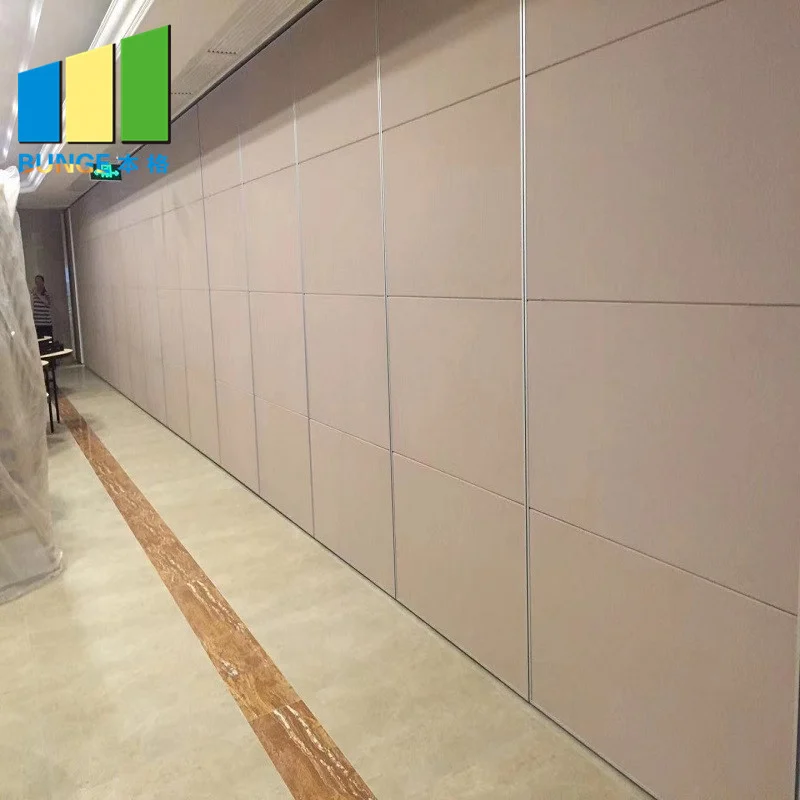
Straight, turning and stacking routes are reviewed from the layout. The stacking position must be planned so that parked panels do not obstruct services, structure or adjacent openings. The above-ceiling corridor must support the full route, including any turning or stacking section. If the route changes, the certificate and register should be updated to reflect the new corridor extent.
Frequently Asked Questions
Who should sign the above-ceiling handover certificate?
The releasing party is typically the trade or party responsible for the ceiling void services, and the receiving party is the partition track trade. The project manager or coordinator should witness the release. Names and roles should be recorded on the certificate.
Can the corridor be released in phases?
Yes. Phased release is possible if each phase is clearly defined on the drawing and referenced in the register. Each phase should have its own certificate or a clearly marked section on a single certificate.
What happens if an encroachment is found after the certificate is signed?
The register should be reopened and the encroachment logged. The affected extent should be re-inspected and re-released before track fixing continues in that area. The original certificate remains valid only for the extent that was clear at the time of signing.
Does the certificate confirm acoustic performance?
No. The certificate only records the coordination status of the above-ceiling corridor.
How does the register relate to the partition layout?
The register should reference the same drawing set as the partition layout. If the layout changes, the reserved corridor and the register entries should be reviewed together to ensure the track route remains continuous and clear.
What information should be included in the project documentation?
Project documentation should include the coordinated services drawing, the reserved corridor definition, the encroachment register, and the signed handover certificate. Pass-door requirements and finish selections should also be recorded. Contact the supplier to discuss project-specific documentation needs.
Conclusion and Next Steps
A movable partition track zone above-ceiling service corridor handover certificate gives the project team a clear release point. Combined with an encroachment release register, it sequences ductwork, conduit, sprinkler and track fixing without relying on informal clearance. The method is evidence-bounded: it records coordination, not performance.
To discuss your project, contact EBUNGE or review the movable wall product range and the project resources.