
Quick answer: freeze before track fabrication
Review focus: freeze before track fabrication.
The ceiling interface register freeze before track fabrication is the point where the project team stops treating the ceiling zone as a loose coordination item and starts treating it as a fixed input to fabrication. For top-hung movable partitions, the track is suspended from a top track and the panels cross the opening without a floor track. That makes the ceiling interface a controlling reference, not a late detail.
This article explains what should be frozen, what evidence should exist before fabrication, and how to keep the decision tied to project-specific drawing review. The suitability of each route and parking arrangement depends on the approved layout, circulation, ceiling interfaces and operating sequence.
What the Ceiling Interface Register Actually Controls
Project review term: freeze before track fabrication.
The register is the coordinated record of the ceiling zone where the partition route, support condition and finished ceiling meet. It is not only a reflected ceiling plan. It should connect the architectural ceiling layout, the partition route and the support strategy in one reviewed set.
Because EBUNGE movable wall panels are individually movable and suspended from a top track, the overhead route must be continuous and connected. The exact route, junction arrangement, continuous overhead path and parking position must be confirmed from the coordinated project drawings. The register freeze is the moment those route assumptions become stable enough for fabrication to proceed.
Why the freeze matters before fabrication
Fabrication follows the frozen register. If the ceiling height, route geometry or support zone changes after fabrication starts, the track may no longer match the coordinated opening. Freezing early reduces rework risk, but only when the frozen information is complete and reviewed.
Information That Should Be Frozen
Coordination scope: freeze before track fabrication.
A useful freeze is specific. It should identify the reviewed ceiling zone, the partition route and the interfaces that other trades must respect. The following checklist is a coordination aid, not a substitute for project engineering.
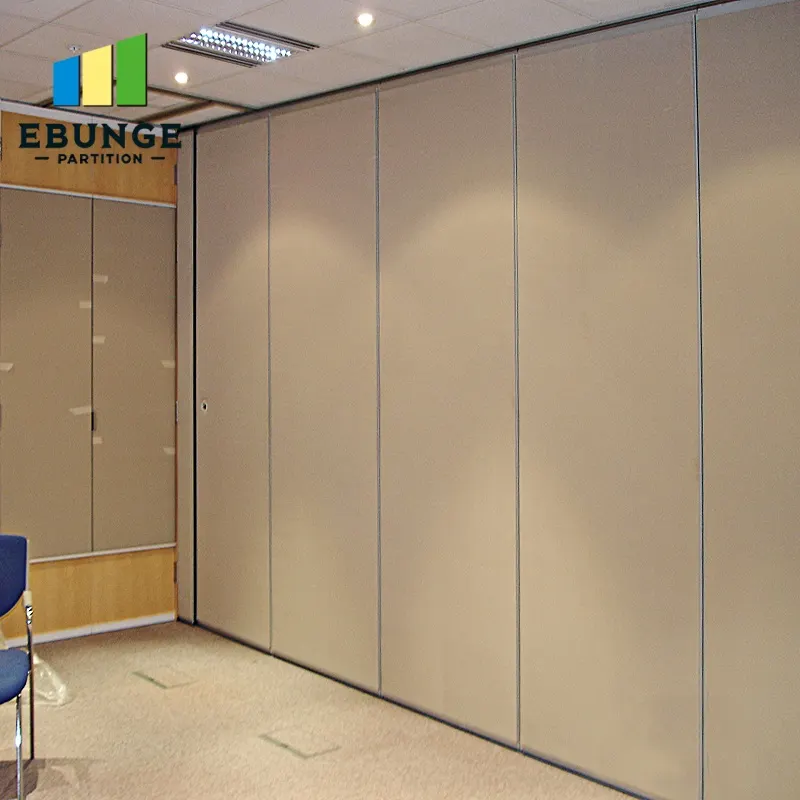
- Reviewed ceiling interface drawing showing the partition route and the adjacent ceiling conditions.
- Confirmed opening width and height references used for the track layout.
- Straight, turning and stacking routes reviewed from the layout, including the planned parking position.
- Finish direction and ceiling transitions noted where they affect the interface.
- Pass-door requirements and project documentation discussed with the supplier.
- Any acoustic intent described conceptually, with project-specific verification still required.
Each item should have an owner and a revision reference. A register that is frozen without these references is only a date, not a coordination decision.
Evidence Boundaries Before You Freeze
Project teams often want the freeze to confirm more than it can. A drawing can show a route, a finish and a ceiling relationship.
Evidence note: visible geometry, finish samples and drawings do not establish hidden acoustic, fire, durability, load or commercial performance. Those require matching project-specific evidence and confirmation.
A Practical Freeze Sequence
The order below keeps the decision tied to reviewed information rather than to programme pressure. Adapt it to your project delivery method.
- Collect the current ceiling layout, partition route and opening dimensions.
- Review straight, turning and stacking routes against the layout.
- Identify the support zone and route continuity for project-specific review.
- Confirm finish direction and interface transitions that affect the ceiling zone.
- Discuss pass-door requirements and project documentation with the supplier.
- Record the reviewed register revision and distribute it to affected trades.
- Freeze the register only when the reviewed inputs are complete.
After the freeze, changes should be handled as formal revisions. This protects the fabrication input and keeps later coordination visible.
Coordination With Other Trades
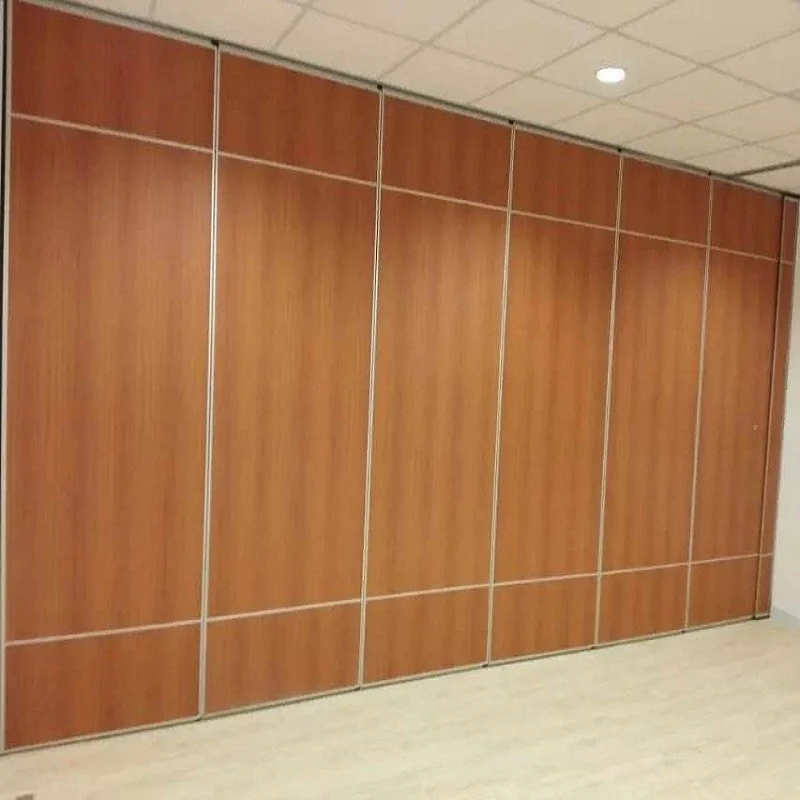
The ceiling interface rarely belongs to one trade. Ceiling installers, partition suppliers, services coordinators and site managers all touch the same zone. The freeze should give each trade a clear reference without asking them to infer hidden performance.
For movable wall systems, the key coordination question is whether the overhead route remains continuous and supported as designed. Parking style is customized to the customer layout and project requirements, and compact stacking may be possible when the coordinated design permits it.
Questions to resolve before release
Has the support zone been reviewed for the project? Has the route been checked for continuity? Have finish and ceiling transitions been coordinated? Have pass-door requirements been discussed? If any answer is unclear, the register is not ready to freeze.
Documentation and Revision Control
Freezing is a documentation act. The reviewed register should carry a revision identifier, a date and a clear scope. Later changes should reference the frozen version so the fabrication input remains traceable.
Project documentation can be discussed with the supplier, including the drawings and schedules needed for review. Additional planning context is available in the resources section. Where requirements are project-specific, confirm support, acoustic and dimensional needs directly.
Frequently Asked Questions
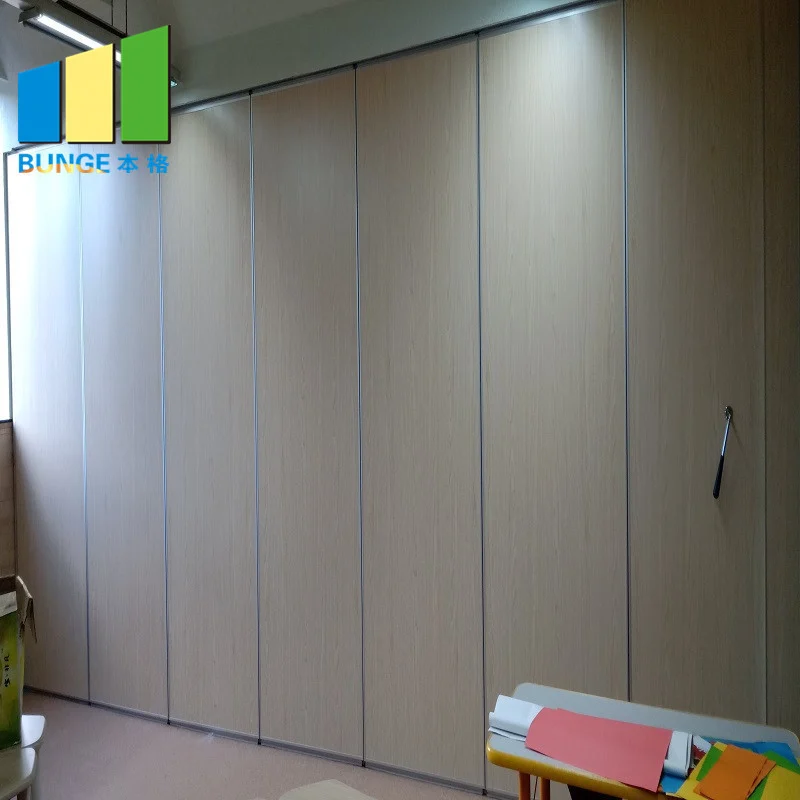
When should the ceiling interface register freeze before track fabrication?
It should freeze once the reviewed ceiling layout, partition route, opening dimensions and support zone are complete enough for fabrication. The exact timing depends on your project delivery sequence and should be confirmed with the project team.
Does the freeze confirm acoustic performance?
No. The freeze coordinates geometry and interfaces.
Can the partition route change after the freeze?
Changes should be handled as formal revisions. A route change may affect the track layout, support review and parking position, so it should be re-reviewed before fabrication proceeds.
What finish information belongs in the register?
Record the approved finish direction and any ceiling transitions that affect the interface. Confirmed finish options include laminate, melamine, fabric, leather, glass and other approved surfaces.
How are pass doors coordinated?
Pass-door requirements and project documentation can be discussed with the supplier. They should be included in the reviewed register where they affect the partition route or ceiling interface.
What should be confirmed for my project?
Confirm project-specific support, acoustic and dimensional requirements. Do not rely on generic assumptions or on visible drawings to establish hidden performance.
Conclusion and Next Step
The ceiling interface register freeze before track fabrication is a coordination milestone. It should be based on reviewed drawings, a continuous overhead route and project-specific confirmation of support, acoustic and dimensional requirements.
Freeze the register when the inputs are complete, control later changes through revision, and keep performance claims tied to matching evidence. For project-specific guidance, contact the EBUNGE team to discuss your layout, documentation and ceiling interface review.