
Quick project answer
Review focus: track fixing sequence.
When a bidder submits a movable partition proposal, the track fixing sequence is often the first place where tender assumptions become visible. A bidder track fixing sequence tender assumption trace is the discipline of reading that sequence backwards to the assumptions it depends on. It is not a performance test. It is a documentation review that helps project teams see what the bidder has assumed about support, routes, parking and interfaces before those assumptions harden into site instructions.
This article offers an evidence-bounded framework for overseas contractors, architects, interior designers, owners, renovation teams and distributors. It does not replace project-specific engineering review. The exact overhead route and support arrangement must be confirmed by the responsible project team from coordinated drawings.
Why the Track Fixing Sequence Is a Tender Assumption Map
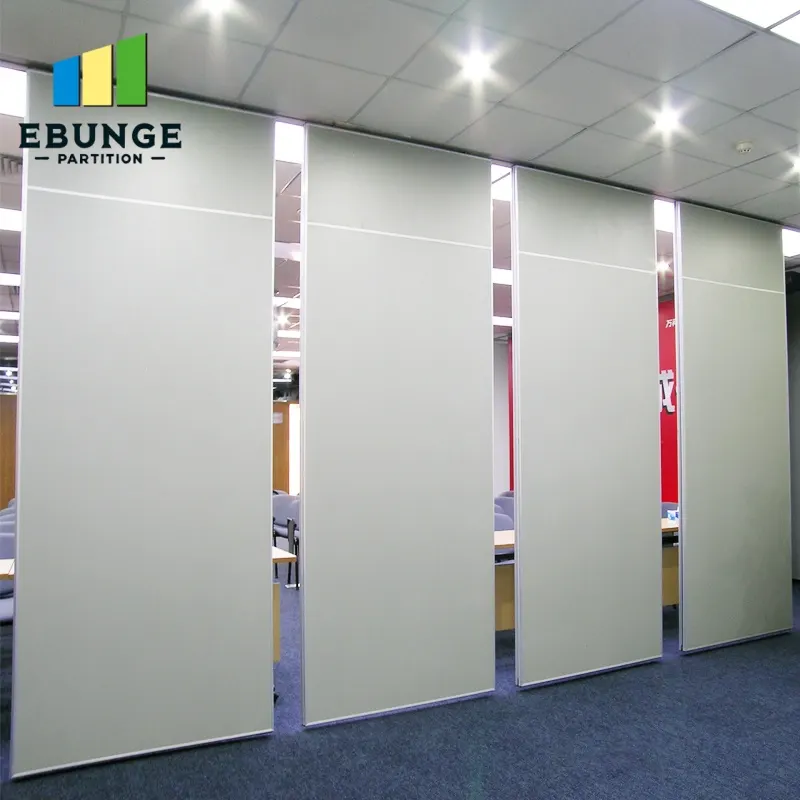
EBUNGE movable wall panels are individually movable, suspended from a top track, cross the opening without a floor track, and park at a planned stacking position. Because the system is top-hung, the fixing sequence describes how the overhead route is established before panels move. That sequence is rarely just an installation note. It encodes assumptions about the structure above, the continuity of the route, the parking zone and the interfaces with adjacent trades.
A bidder who lists fixings without showing the assumed supporting condition is asking the reviewer to infer it. A bidder who shows a sequence but omits the route logic is asking the reviewer to accept a gap. Tracing those assumptions is the point of the exercise.
What the Tender Documents Usually Reveal
Tender packages vary, but the useful evidence is usually found in a small set of documents. The goal is not to demand a particular format. The goal is to see whether the bidder’s sequence can be connected to a stated assumption.
Drawings and layout information
Straight, turning and stacking routes are reviewed from the layout. The exact route, junction arrangement, continuous overhead path and parking position must be confirmed from the coordinated project drawings. If the sequence shows a parking position, the reviewer should be able to find the planned stacking zone. Missing links are assumption gaps, not necessarily errors, but they should be listed for clarification.
Specification and finish references
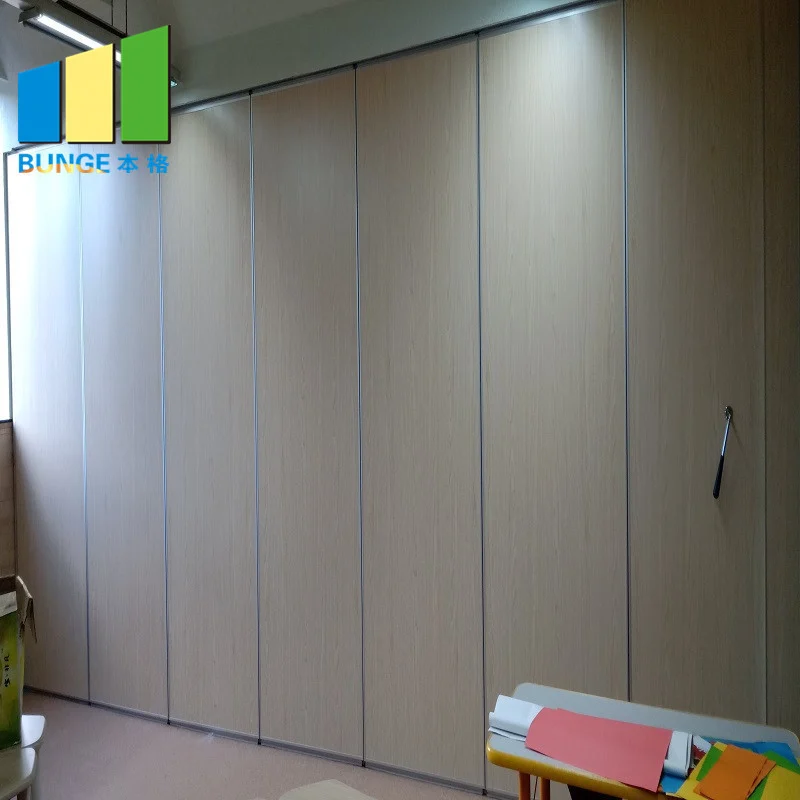
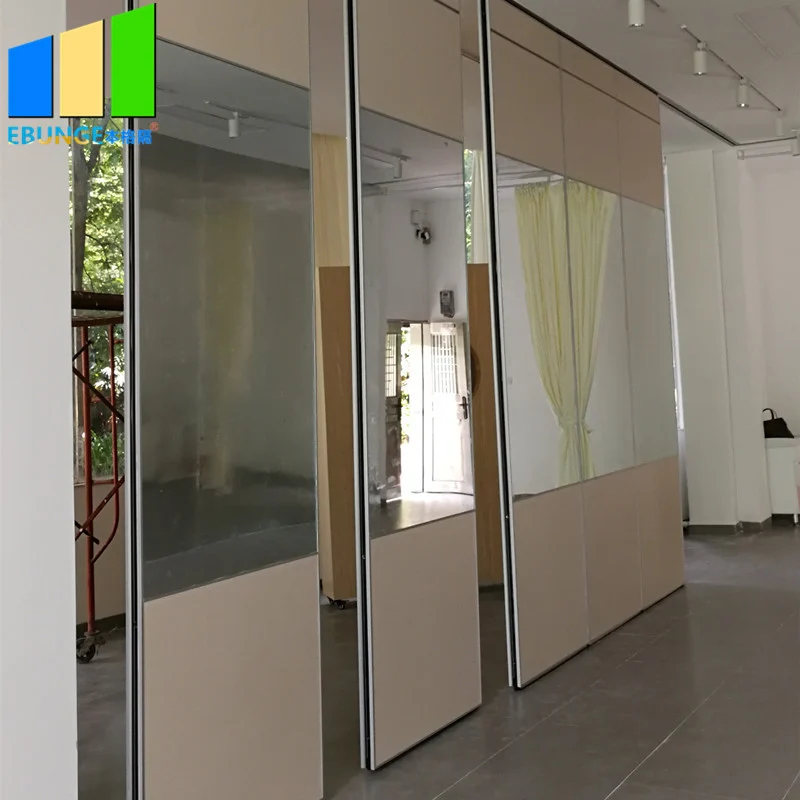
Confirmed finish options include laminate, melamine, fabric, leather, glass and other approved surfaces. The suitability of each route and parking arrangement depends on the approved layout, circulation, ceiling interfaces and operating sequence. It only confirms a surface choice. Treat finish statements as finish statements, not as evidence of hidden capability.
Pass-door and interface notes
Pass-door requirements and project documentation can be discussed with the supplier. If a bidder’s sequence assumes a pass-door location, that assumption should be traceable to the tender drawings or to a written clarification.
A Numbered Process for Tracing Assumptions
- Isolate the sequence. Extract every step the bidder describes for track fixing, from first support reference to final parking position.
- List the assumptions. For each step, write the condition it depends on, such as a continuous overhead route, a reviewed support location or a defined stacking zone.
- Match assumptions to documents.
- Mark unsupported statements. If an assumption has no document behind it, mark it as requiring project-specific confirmation.
- Separate product facts from project facts. Product facts describe how the system works. Project facts describe the actual building. Do not let one substitute for the other.
- Issue clarification questions. Ask the bidder to confirm or correct each unsupported assumption before comparing bids.
Evidence Boundaries Reviewers Should Apply
Visible references can support layout discussion but do not verify hidden construction or performance. A drawing can show a route. Comparative, absolute and causal statements require corresponding evidence; otherwise remove them or state the exact project-specific confirmation boundary.
Every proposed movement path requires a continuous connected overhead route and project-specific support review. This is a boundary, not a criticism of any bidder.
Compact Comparison: Assumption Types and Evidence Needed
| Assumption type | What it affects | Evidence to request |
|---|---|---|
| Support condition above the track | Whether the overhead route can be fixed as drawn | Project-specific structural review and coordinated drawings |
| Route continuity | Whether panels can move from opening to parking | Layout showing straight, turning and stacking routes |
| Parking position | Where panels rest when not in use | Planned stacking zone coordinated with the layout |
| Finish selection | Surface appearance only | Confirmed finish option and approved surface reference |
| Pass-door location | Access through the partition line | Written requirement and project documentation |
This table is a review aid, not a specification. Each row still requires project-specific confirmation.
Red Flags and Clarification Questions
Red flags are not proof of a bad bid. They are signals that an assumption needs a written answer.
Questions to send back to the bidder
- Which drawing or document supports the assumed fixing condition?
- How does the proposed sequence connect to the straight, turning and stacking routes shown in the layout?
- Where is the planned parking position, and how was it coordinated?
- Which statements in the proposal are product facts, and which are project-specific assumptions?
- What documentation will be provided for pass-door requirements and interfaces?
These questions keep the review focused on traceability rather than persuasion. They also help owners compare bids on the same evidence basis.
How to Document the Trace for Procurement Records
A trace is only useful if it is recorded. Keep a simple register that links each bidder statement to its source document, its status and the clarification response. This register becomes part of the procurement record and helps avoid later disputes about what was assumed.
For broader planning resources, see the EBUNGE resources page. For product context, see the movable walls product page. When the trace raises questions that need project-specific answers, contact EBUNGE to discuss documentation and pass-door requirements.
FAQ: Tracing Track Fixing Sequences to Tender Assumptions
What is a bidder track fixing sequence tender assumption trace?
It is a documentation review method. You read the bidder’s track fixing sequence and identify the assumptions it depends on, then check whether those assumptions appear in the tender documents or need clarification.
Does a track fixing sequence prove acoustic performance?
No. A sequence describes installation logic.
Can movable partitions cross a gap without a track?
No. Panels are suspended from a top track and require a continuous connected overhead route. Every proposed movement path needs project-specific support review.
Which finish options can be referenced in a tender?
Confirmed finish options include laminate, melamine, fabric, leather, glass and other approved surfaces. A finish reference confirms a surface choice, not hidden performance.
What should reviewers ask when a sequence is unclear?
Ask which document supports each assumed fixing condition, how the sequence connects to the layout routes, where the parking position is, and what documentation covers pass-door requirements.
Is this trace a substitute for engineering review?
No. It is a procurement and tender review aid.
Conclusion: Trace First, Compare Second
Tracing a bidder’s track fixing sequence back to tender assumptions helps project teams compare proposals on evidence rather than inference. The method is simple: isolate the sequence, list its assumptions, match them to documents, mark unsupported statements, and issue clarification questions. Keep the trace in the procurement record.
Do not treat the trace as a performance claim or a substitute for project-specific review. Confirm support, acoustic and dimensional requirements for the application reference. When you are ready to discuss documentation, finishes, pass-door requirements or project coordination, contact EBUNGE.