
Quick project answer
Review focus: track fixing sequence.
The question of who signs off a bidder track fixing sequence sign-off before award is really a question about evidence, responsibility and sequence. In a movable partition package, the track is not a loose accessory. It is the overhead route that carries individually movable panels across an opening without a floor track, then parks them at a planned stacking position. Before award, the project team should know who reviews the proposed fixing sequence, what drawings support it, and which items remain open for project-specific confirmation.
This article sets out a procurement and tender review framework. The suitability of each route and parking arrangement depends on the approved layout, circulation, ceiling interfaces and operating sequence.
Why the Track Fixing Sequence Matters Before Award
Project review term: track fixing sequence.
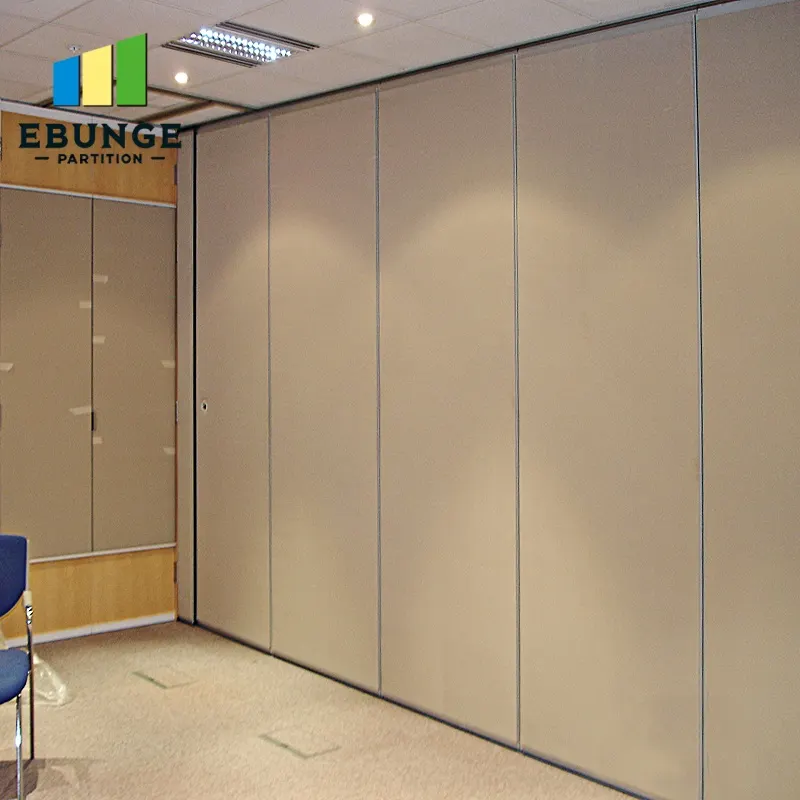
A movable wall is top-hung. Panels travel along a continuous overhead route, and the route must be connected for the full movement path. The exact route, junction arrangement, continuous overhead path and parking position must be confirmed from the coordinated project drawings. If the sequence of fixing the track is unclear at tender stage, the award decision may rest on assumptions rather than coordinated information.
The sign-off question is not only about who approves a method statement. Those are project-specific matters. They should be confirmed against the actual drawings and site conditions, not inferred from a generic brochure or a photograph.
Who Is Usually Involved in the Sign-Off Chain
Different projects assign responsibility differently. The table below shows typical roles and the kind of review each role may contribute. It is a coordination guide, not a contractual allocation.
| Role | Typical review contribution | Evidence to request |
|---|---|---|
| Main contractor | Site sequence, access, interface with other trades | Coordinated programme and interface schedule |
| Structural engineer | Support conditions and fixing strategy | Project-specific structural review |
| Architect or designer | Layout, ceiling zone, finish intent | Reflected ceiling plan and partition layout |
| Movable wall bidder | Track route, panel movement, parking arrangement | Shop drawings and installation sequence proposal |
| Owner or client representative | Acceptance of scope and coordination boundaries | Signed tender clarification and award recommendation |
No single role can sign off everything. The useful outcome before award is a documented split of responsibilities, with named reviewers for each drawing and each open item.
What a Bidder Should Submit for Review
Ask each bidder to submit a track fixing sequence proposal that can be compared fairly. The proposal should show how the overhead route is supported, how the panels move from the opening to the parking position, and how the sequence interacts with ceiling construction and adjacent trades.
Drawing and information checklist
- Layout drawing showing straight, turning and stacking routes.
- Track route drawing with support locations indicated for project review.
- Parking position and stacking arrangement consistent with the layout.
- Interface notes for ceiling, structure and adjacent finishes.
- Proposed installation sequence and hold points for inspection.
- Pass-door requirements, if the project includes them.
- Finish schedule covering laminate, melamine, fabric, leather, glass or other approved surfaces.
- List of items requiring project-specific confirmation before fabrication.
This checklist is deliberately about visible, reviewable information.
How to Compare Bidders Without Inventing Performance
Comparison should focus on completeness and coordination, not on unsupported claims.
Evidence note
Acoustic ratings such as STC or Rw are single-number descriptors used in project specifications. They are not a direct count of decibels and should not be treated as a promise of site performance. Confirm acoustic requirements, test evidence and site conditions for the specific project.
Those matters require matching project evidence. If a bidder cannot provide it, record the item as open rather than filling the gap with an assumption.
A Practical Pre-Award Review Sequence
The following numbered sequence can be adapted to the project’s procurement rules. It keeps the sign-off question visible without turning it into a paperwork exercise.
- Issue a clear tender query asking who will review the track fixing sequence and when.
- Require a layout-based route drawing showing straight, turning and stacking paths.
- Ask for the proposed fixing sequence and its hold points.
- Record comments, open items and required project-specific confirmations.
- Confirm the parking position and its coordination with adjacent works.
- Confirm finish selections from the approved options.
- Obtain written acceptance of the sequence and the remaining open items before award.
Step eight is the practical answer to the title question. The sign-off is usually a coordinated acceptance by the responsible project roles, not a single signature collected in isolation.
Common Coordination Gaps to Watch
Several gaps appear repeatedly in tender reviews. The overhead route may be shown as a line without support review. The parking position may be drawn without checking the adjacent wall or ceiling zone. The finish may be selected before the layout is fixed. Pass-door requirements may be mentioned late.
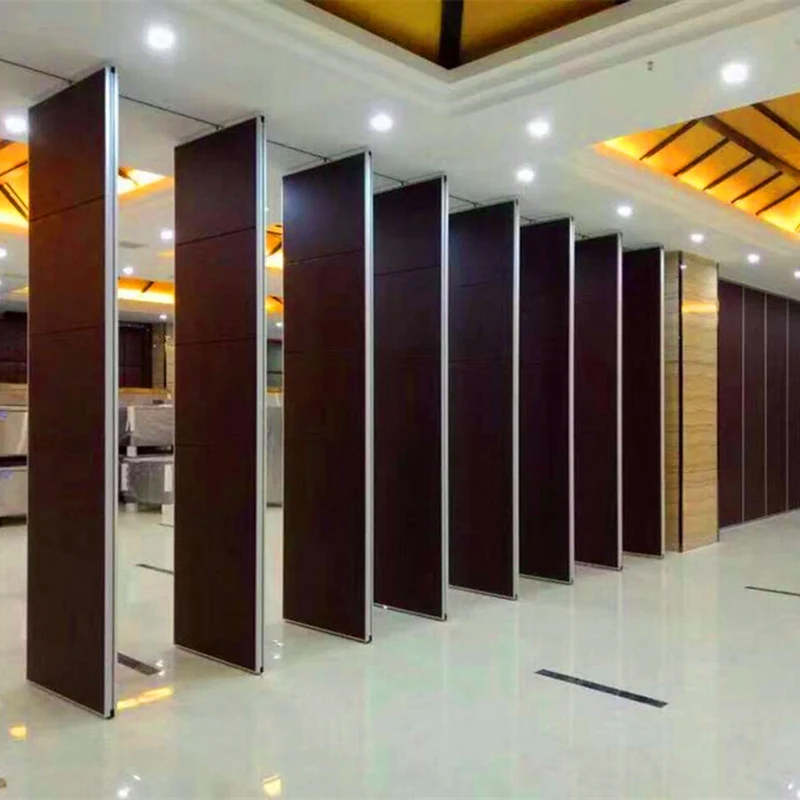
Each gap can be handled by asking for project-specific confirmation. None of them should be resolved by assuming that a standard detail will fit. Movable partitions can be considered wherever flexible spatial division, combination or reconfiguration is required, but the movement path still needs a continuous connected overhead route and project-specific support review.
Frequently Asked Questions
Who signs off a bidder’s track fixing sequence before award?
The exact sign-off authority should be defined in the tender documents.
What drawings should be requested before award?
Request layout drawings showing straight, turning and stacking routes, a track route drawing, parking position, interface notes, and the proposed installation sequence with hold points.
Can the track fixing sequence be approved after award?
It can be finalized later, but the review responsibility and open items should be agreed before award. Leaving the sequence undefined increases coordination risk during installation.
Does a movable wall need a floor track?
EBUNGE movable partition panels are top-hung and move without a continuous floor running track or floor hardware along the partition line. The overhead route must still be continuous and supported for the full movement path.
How should acoustic performance be addressed in the tender?
State the project requirement and ask for matching evidence.
What finish options can be reviewed?
Confirmed options include laminate, melamine, fabric, leather, glass and other approved surfaces. Finish selection should follow the layout and project requirements.
Conclusion and Next Step
Ask who reviews, what they review, and which items remain open for project-specific confirmation. Keep the evidence bounded: use maintained product facts, visible drawing information and documented project decisions.
To discuss pass-door requirements, project documentation or a movable wall layout for your next tender, contact the EBUNGE team. You can also review the movable wall product range and the project resources before issuing your next query.