
Quick project answer
Review focus: track fixing preliminaries.
A bidder track fixing preliminaries tender review is not a formality. It is the point where a submission either shows that the bidder has studied the ceiling zone, the movement route and the parking position, or reveals that the offer was priced from a catalogue page. For overseas contractors, architects, interior designers, owners and renovation teams, the preliminaries section is often the clearest signal of how the rest of the installation will be coordinated.
Movable wall panels are individually movable, suspended from a top track, cross the opening without a floor track, and park at a planned stacking position. Those four facts are simple, but each one depends on decisions made long before panels arrive. The preliminaries are where a bidder states how those decisions will be handled.
Why Track Fixing Preliminaries Deserve Separate Scrutiny
Project review term: track fixing preliminaries.
Most tender packages describe the partition itself in detail: panel size, finish, quantity, opening width. The track fixing preliminaries sit above that conversation, literally and commercially. They describe how the load path is established, how the route is kept continuous and how the stacking zone is reserved.
When those preliminaries are thin, the gap usually appears later as a variation, a site instruction or a delay. Reviewing them early is cheaper than resolving them during installation.
What the Preliminaries Should Establish
Coordination scope: track fixing preliminaries.
A useful submission does not need to solve the engineering at tender stage, but it should show that the bidder understands which questions must be answered. The strongest preliminaries identify the information they still need and the assumptions they have made.
Support and ceiling interface
The bidder should describe how the overhead support condition will be confirmed, who is responsible for verifying it, and what happens if the structure differs from the drawings. This is a coordination statement, not a performance claim.
Route continuity
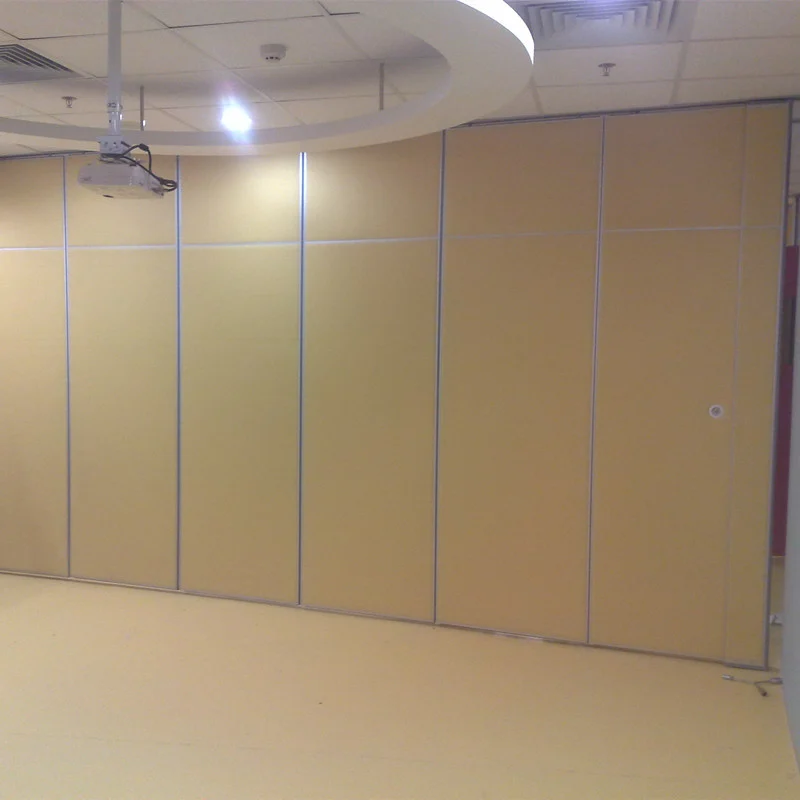
Straight, turning and stacking routes are reviewed from the layout. A credible bidder will show that the proposed route is continuous and connected, and will flag any point where the layout does not yet support that.
Parking and stacking position
Parking style is customized to the customer layout and project requirements, and may support compact stacking when the coordinated design permits it. The preliminaries should state where the stacking position is planned and what else occupies that space.
A Decision Checklist for Comparing Submissions
Use the same questions across every bidder so the comparison stays fair and evidence-based.
- Does the submission identify the ceiling or support zone that must be verified before fabrication?
- Does it describe the movement route as a continuous overhead path rather than a series of separate openings?
- Does it name the planned parking or stacking position and note any conflict with services, doors or adjacent rooms?
- Does it list the finish options being priced, such as laminate, melamine, fabric, leather, glass or another approved surface?
- Does it raise pass-door requirements and project documentation as items to be confirmed?
- Does it separate what is known from what still requires project-specific confirmation?
The suitability of each route and parking arrangement depends on the approved layout, circulation, ceiling interfaces and operating sequence.
Evidence Boundaries: What Preliminaries Cannot Prove
Preliminaries are a planning document, not a test report.
Evidence note: a drawing, finish sample or photograph shows intent and appearance. It does not by itself confirm support capacity, acoustic outcome, fire behaviour or dimensional fit. Those require project-specific review.
This boundary matters in tender review because it prevents a well-written preliminaries section from being read as a guarantee. The correct response is to ask for the missing confirmation, not to assume it.
Coordination Signals in Procurement and Tender Review
Procurement and Tender Review coordination improves when the preliminaries are treated as a shared checklist between the bidder, the ceiling contractor and the design team. The bidder does not need to own every interface, but the submission should make the interfaces visible.
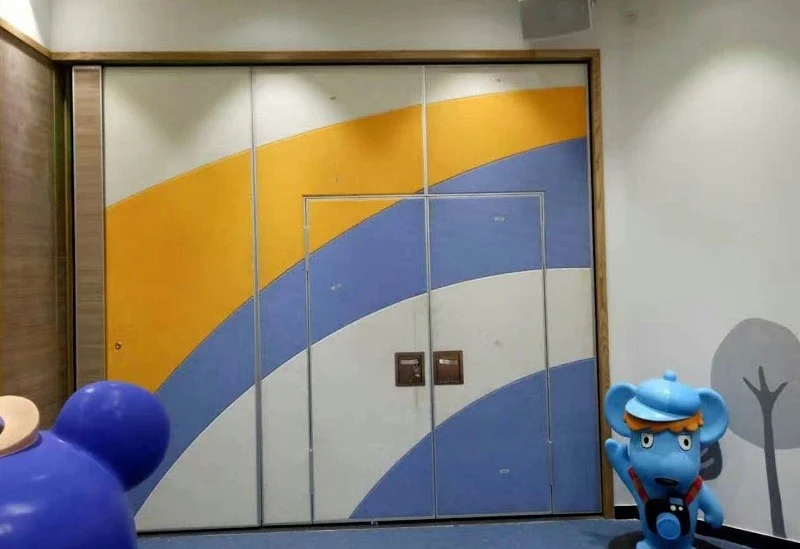
Questions that reveal preparation
Bidders who have not prepared tend to answer only what was asked and leave the interfaces unmentioned.
Documentation to request
Project documentation can be discussed with the supplier, including layout drawings, reflected ceiling information and the intended stacking location. Requesting these at tender stage keeps later clarification focused.
How to Score Preliminaries Without Overreaching
A simple scoring approach keeps the review defensible. Score each bidder on whether the preliminaries identify the support condition to be verified, describe the route as continuous, name the parking position, list the finishes being offered, and flag pass-door and documentation items. Do not score on inferred performance. Do not reward confident language that lacks a confirmation step.
Where a submission is silent, record the silence as a clarification request rather than a disqualification. The goal is a comparable set of answers, not a penalty for brevity.
Frequently Asked Questions
What are track fixing preliminaries in a movable wall tender?
They are the bidder’s statements about how the overhead track will be supported, how the movement route will remain continuous, and where panels will park. They are planning and coordination statements, not performance guarantees.
Do movable partitions need a floor track?
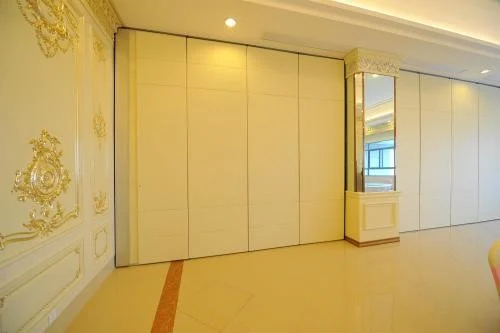
No. EBUNGE movable partition panels are top-hung and move without a continuous floor running track or floor hardware along the partition line. The overhead route still requires project-specific support review.
Can a bidder confirm acoustic performance at tender stage?
Any project-specific acoustic requirement should be confirmed against the actual assembly, opening and site conditions rather than assumed from the preliminaries.
What finish options should appear in the preliminaries?
Confirmed finish options include laminate, melamine, fabric, leather, glass and other approved surfaces. The preliminaries should state which of these are being priced and note that final selection is subject to project approval.
How should pass-door requirements be handled?
Pass-door requirements and project documentation can be discussed with the supplier. They should be raised as items to confirm rather than left implicit in the panel schedule.
What if the ceiling structure is not yet confirmed?
That is normal at tender stage. The exact overhead route and support arrangement must be confirmed by the responsible project team from coordinated drawings.
Conclusion and Next Step
A bidder track fixing preliminaries tender review rewards submissions that are specific about support, route, parking and documentation, and honest about what still needs confirmation. Compare bidders on those signals rather than on confident wording, and keep every performance or dimensional claim tied to project-specific evidence.
To discuss layout drawings, finish options, pass-door requirements or project documentation for your next movable wall package, contact the EBUNGE team. You can also review the movable walls product range and browse the resources library before issuing your next tender comparison.