
Quick answer: bidder track fixing preliminaries
Review focus: bidder track fixing preliminaries.
Track fixing preliminaries often sit in the quiet middle of a tender return. They are not the headline finish, and they are not the final acoustic claim. Yet tender evaluation bidder track fixing preliminaries weighting decides whether the winning bid can actually be coordinated with the structure above the opening. This article gives procurement teams a defensible way to score those preliminaries without inventing engineering outcomes.
Why Track Fixing Preliminaries Deserve Real Weight
Project review term: bidder track fixing preliminaries.
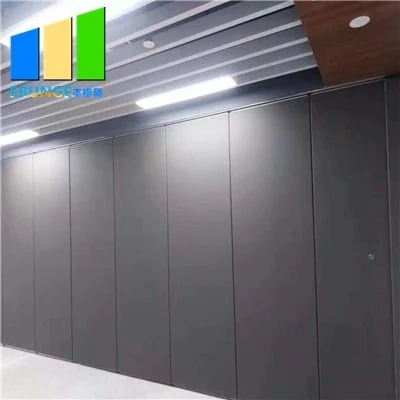
EBUNGE movable wall panels are individually movable, suspended from a top track, cross the opening without a floor track, and park at a planned stacking position. The suitability of each route and parking arrangement depends on the approved layout, circulation, ceiling interfaces and operating sequence. If the tender treats track fixing as a minor line item, the evaluation may reward a low preliminaries price while leaving the real coordination risk unresolved.
Weighting is not about finding the cheapest fixing. The exact overhead route and support arrangement must be confirmed by the responsible project team from coordinated drawings.
Start With the Drawing Set, Not the Price Column
Coordination scope: bidder track fixing preliminaries.
Before any score is applied, confirm that every bidder has priced against the same information. The exact route, junction arrangement, continuous overhead path and parking position must be confirmed from the coordinated project drawings. Reviewers should be able to trace the overhead route from the first panel to the parked position without gaps.
Where the drawings are incomplete, record that as a clarification item rather than filling the gap with an assumption. The evaluation score should reflect the quality of the bidder’s response to the information actually issued.
A short pre-scoring checklist
- Is the full movement route shown, including turns and the stacking zone?
- Does the bid identify the structural interface above the opening for project-specific review?
- Are pass-door requirements and project documentation addressed where relevant?
- Are finish options listed against the approved schedule, such as laminate, melamine, fabric, leather or glass?
- Are exclusions and required confirmations stated plainly rather than buried in a note?
Build a Weighted Scoring Model That Separates Evidence From Promise
Checklist focus: bidder track fixing preliminaries.
A useful model separates what the bidder has demonstrated from what they have merely asserted. Give visible, checkable submissions more weight than broad statements.
| Evaluation criterion | What reviewers can check | Suggested weighting band |
|---|---|---|
| Route and layout understanding | Straight, turning and stacking routes marked on the bid drawing | High |
| Support interface response | Clear statement of what must be confirmed by the project structural team | High |
| Preliminaries completeness | Documentation, pass-door provisions and finish schedule alignment | Medium |
| Clarification quality | Specific questions instead of assumed answers | Medium |
| Commercial presentation | Clear scope boundaries and stated exclusions | Low to medium |
The bands are deliberately descriptive. A project team should set its own percentages after reviewing the drawing package and the level of design responsibility being transferred.
Score the Support Interface Without Inventing Engineering
Review focus: bidder track fixing preliminaries.
Track fixing preliminaries touch the structure above the opening, and that interface is project-specific. Reviewers should not infer capacity, load paths or fixing details from a photograph, a finish sample or a generic drawing. Instead, score how clearly the bidder has identified the information they need and how they propose to close it out.
A strong response names the confirmation required, the party responsible and the point in the programme when it must be resolved. A weak response treats the support condition as someone else’s problem or assumes it away.
Evidence note for evaluation panels
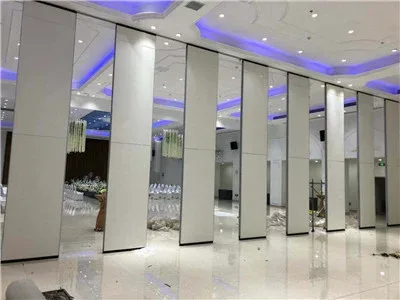
Do not convert a visible track profile, finish sample or layout sketch into a performance claim. Acoustic, structural and dimensional conclusions require project-specific confirmation against the issued drawings and the relevant project documentation.
Handle Acoustic and Sealing Language Carefully
Project review term: bidder track fixing preliminaries.
In a tender evaluation, the safer approach is to ask bidders to state the basis of any acoustic claim and to confirm that it matches the project specification.
Seals and acoustic concepts can be discussed generically, but the evaluation should not reward a bidder for implying a result that has not been verified for the actual opening, structure and adjacent construction.
Weight Preliminaries Against the Whole Package
Track fixing preliminaries should not be scored in isolation. They interact with the finish schedule, the parking arrangement and the pass-door strategy. A bid that is strong on the track route but silent on stacking clearance may still create coordination problems later.
Reviewers can use a simple rule: where two bids are otherwise comparable, give the higher preliminaries score to the bid that makes its assumptions visible and its confirmation points explicit.
Numbered process for the evaluation meeting
- Confirm the issued drawing set and record its revision.
- Check each bid against the route, stacking and support checklist.
- Apply the weighted criteria and note the evidence behind each score.
- List clarification questions for bidders whose responses rely on assumptions.
- Re-score only after written clarifications are received and reviewed.
Common Weighting Mistakes to Avoid
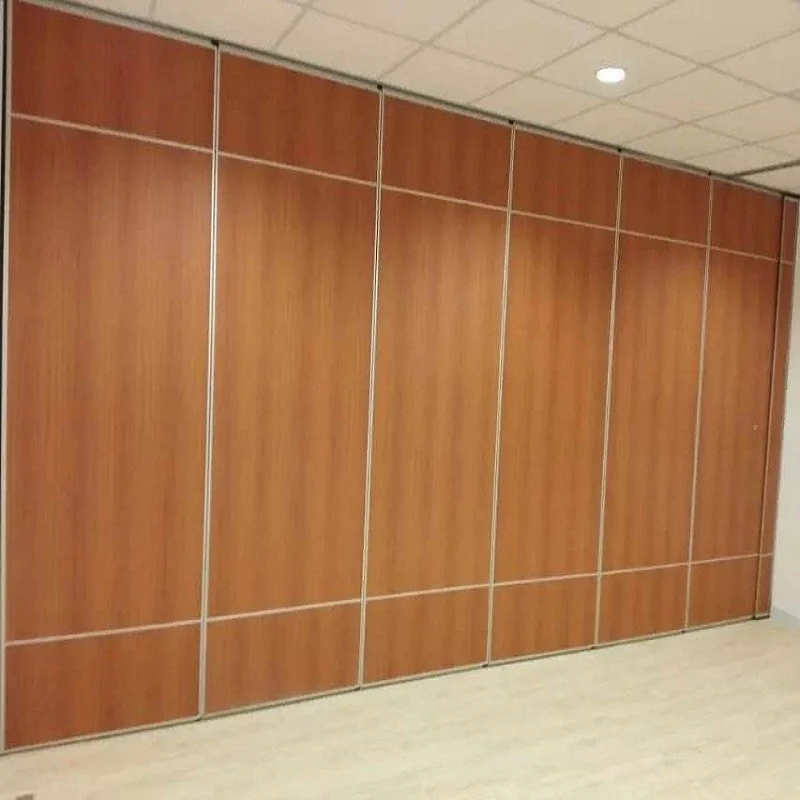
One frequent mistake is giving the preliminaries section a token weight because it looks technical. Another is allowing a polished finish sample to raise the score for track coordination. A third is comparing bids that were priced against different drawing revisions.
Each of these mistakes weakens the link between the evaluation result and the project’s actual coordination needs. The remedy is procedural: fix the information baseline, score evidence rather than presentation, and document the confirmation boundaries in the award recommendation.
Frequently Asked Questions
What does track fixing preliminaries mean in a movable wall tender?
It refers to the bidder’s approach to the overhead track interface, the movement route and the coordination information needed before the system can be finalised.
Should the lowest preliminaries price receive the highest score?
No. Price is one input, but the evaluation should also weigh route understanding, support interface clarity and documentation quality. A low preliminaries figure may simply reflect unresolved assumptions.
How should reviewers treat acoustic claims in the bid?
Ask for the basis of the claim and confirm it against the project specification.
Can the evaluation proceed if the drawings are incomplete?
It can proceed with recorded clarifications, but the scores should reflect the uncertainty. Reviewers should not invent missing dimensions, support conditions or route details.
Where do finish options fit into the weighting?
Finish options such as laminate, melamine, fabric, leather and glass belong in the compliance check.
What documentation should bidders provide?
Project documentation requirements vary. Bidders can be asked to state what they will submit and when, and the evaluation can score the clarity of that commitment. Confirm the exact requirements for your project before issuing the tender.
Conclusion and Next Step
Weighting track fixing preliminaries well is a discipline of evidence. Fix the drawing baseline, score what bidders can demonstrate, and keep unsupported performance claims out of the comparison. That approach protects the evaluation and gives the project a clearer path to coordination.
To review movable wall options for your next tender, visit the movable walls product page, browse the resources library, or contact EBUNGE to discuss pass-door requirements and project documentation. Confirm project-specific support, acoustic and dimensional requirements with the relevant project team before finalising any award.