
Quick project answer
Review focus: track fixing assumptions.
A bidder track fixing assumptions review before award is not a technical formality. It is one of the clearest windows into how a bidder has read the project. Movable wall panels are individually movable, suspended from a top track, cross the opening without a floor track, and park at a planned stacking position. That simple sequence depends on an overhead route that is continuous, supported and coordinated with the structure above. When a bidder writes about track fixing, they are describing what they believe exists in the building — and what they expect others to provide.
This article sets out an evidence-bounded framework for reviewing those assumptions. The suitability of each route and parking arrangement depends on the approved layout, circulation, ceiling interfaces and operating sequence.
Why Track Fixing Assumptions Matter More Than Price Rows
Project review term: track fixing assumptions.
A price row tells you what a bidder has included. A track fixing assumption tells you what the bidder has understood. The two are not the same.
Because panels are top-hung and cross the opening without a floor track, the overhead condition carries the movement logic. Straight, turning and stacking routes are reviewed from the layout.
What the tender should make visible
Look for a clear statement of what the bidder has assumed about the supporting structure, the interface with adjacent trades and the information still required.
A Pre-Award Review Checklist for Track Fixing Assumptions
Coordination scope: track fixing assumptions.
Use the following checklist as a discussion tool. It is not a substitute for project-specific engineering review, and every item should be confirmed against the actual drawings and site conditions.
- Route continuity: Does the bidder describe a continuous connected overhead route for straight, turning and stacking movement?
- Support interface: Has the bidder identified the structure or element they expect the track to connect to, and flagged it for confirmation?
- Drawing basis: Which drawing revision did the bidder price from, and are there later revisions?
- Parking position: Is the planned stacking position shown, and does it match the layout intent?
- Pass-door requirements: Has the bidder noted any pass-door requirement and how it interacts with the panel route?
- Finish schedule: Are finishes listed as laminate, melamine, fabric, leather, glass or other approved surfaces, with samples or approvals to follow?
- Exclusions and dependencies: What has the bidder excluded, and what do they expect others to provide?
- Documentation: What project documentation will be issued for review, and when?
Reading the gaps, not just the answers
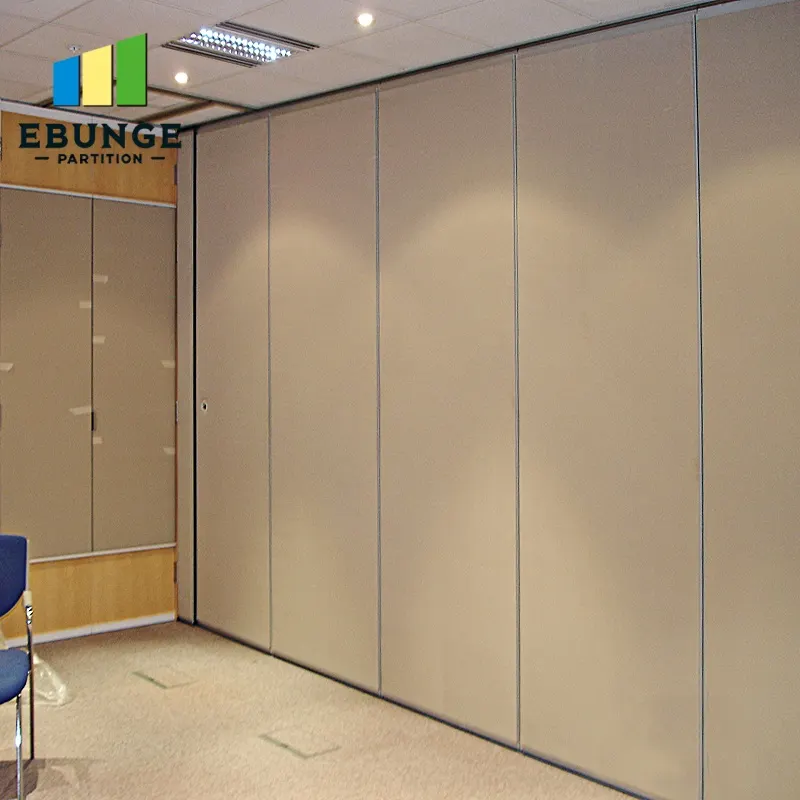
A missing answer is information. If a bidder does not mention the supporting structure at all, the review should ask why. If they mention it but defer it entirely, the review should record that as an open item.
How to Compare Bidders Without Inventing Performance
Comparison tables are useful only when they compare stated assumptions, not implied performance. The table below is a structure for recording what each bidder has actually written.
| Review point | What to record | Why it matters before award |
|---|---|---|
| Route description | Straight, turning and stacking routes as described by the bidder | Shows whether the layout has been read as a connected movement path |
| Support assumption | The structure or element the bidder expects to fix to | Exposes coordination gaps with the structural or ceiling package |
| Drawing revision | The revision priced against | Prevents later disputes about scope changes |
| Parking position | Where panels are expected to stack | Confirms the stacking position is planned, not assumed |
| Finish scope | Which approved surfaces are included | Clarifies what is priced and what still needs approval |
| Open items | Questions the bidder has raised or avoided | Signals where project-specific confirmation is still required |
Coordination Questions That Expose Weak Assumptions
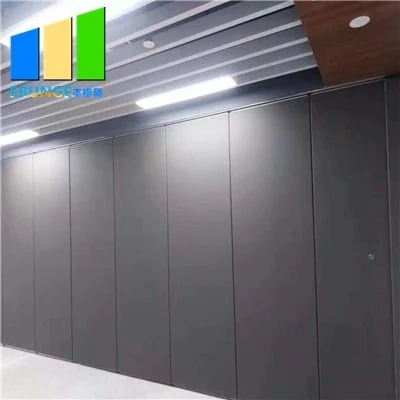
The most useful pre-award conversations are specific. General assurances are difficult to review. The following questions can be asked of every bidder in the same format, so responses can be compared fairly.
- Which drawing revision and layout did you use to define the track route?
- What supporting structure have you assumed, and what confirmation do you need?
- How have you treated the transition across the opening and any turning or stacking route?
- What pass-door requirements have you allowed for, and what remains open?
- Which finishes from the approved range are included, and what approvals are still pending?
- What project documentation will you issue for review, and at what stage?
- What site conditions or interfaces could change your assumptions?
Recording the answers consistently
Keep a single comparison sheet with the same questions for each bidder. This reduces the risk of comparing a detailed response from one bidder with a vague response from another. It also creates a clear record of what was known at award.
Evidence Boundaries: What a Tender Cannot Prove
A tender is a set of intentions and assumptions. A drawing can show a track line, but it cannot by itself confirm that the supporting structure is suitable.
Before award, separate what the bidder has stated from what the project has confirmed. Only the second category should be treated as settled.
This is why the review should end with a list of open items, not a false sense of completeness. The exact overhead route and support arrangement must be confirmed by the responsible project team from coordinated drawings.
Turning the Review into an Award Decision
Once assumptions are visible, the award decision becomes clearer.
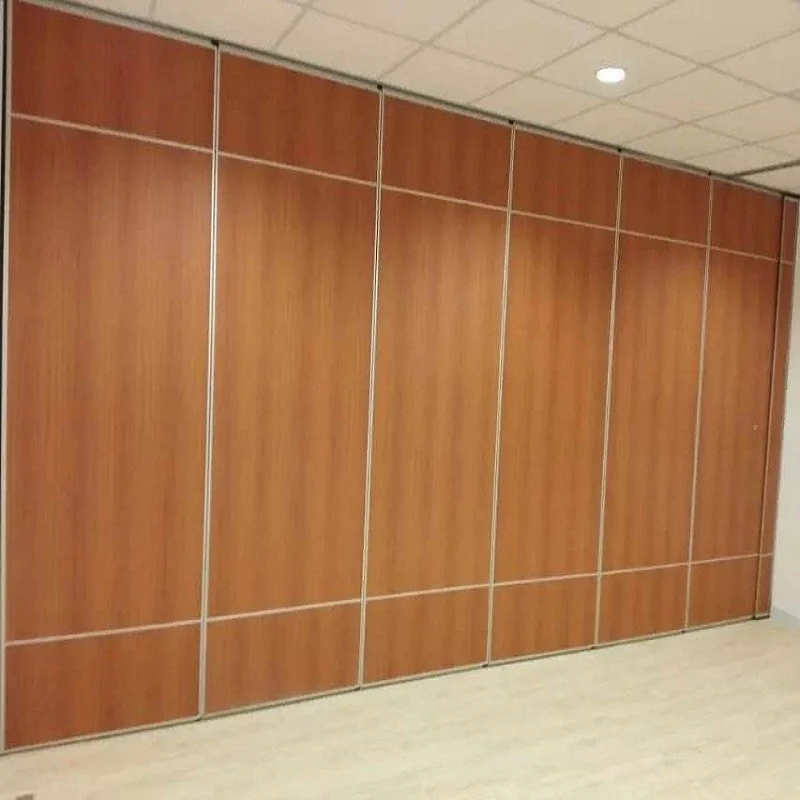
Use the review to agree next steps: issue the latest drawings, confirm the supporting structure, settle the parking position and close the finish schedule. If pass-door requirements or project documentation need discussion, raise them before award rather than after. For product context, see the movable walls range. For broader planning guidance, visit the resources library. When your team is ready to discuss a specific project, contact EBUNGE.
Frequently Asked Questions
What is a bidder track fixing assumptions review before award?
It is a structured check of what each bidder has assumed about the overhead track route, the supporting structure and the interfaces with other trades. The goal is to expose gaps before contract signature, not to score bidders on price alone.
Does every movable partition need a floor track?
No. EBUNGE movable wall panels are top-hung and cross the opening without a floor track. The exact route, junction arrangement, continuous overhead path and parking position must be confirmed from the coordinated project drawings.
Can a bidder confirm acoustic performance at tender stage?
Acoustic requirements should be confirmed with the responsible project professionals.
What finish information should be requested before award?
Ask which approved surfaces are included, such as laminate, melamine, fabric, leather, glass or other approved finishes. Confirm what samples or approvals are still required and how they will be recorded.
How should pass-door requirements be handled?
Pass-door requirements should be raised during the review so they can be discussed alongside the panel route and layout. They are a project-specific item and should be documented rather than assumed.
What if a bidder leaves the supporting structure undefined?
Treat it as an open item. Undefined support is a coordination risk, not a minor omission.
Conclusion: Review Assumptions Before They Become Variations
A bidder track fixing assumptions review before award is a practical way to reduce surprises. What it does is make the bidder’s reading of the project visible while there is still time to correct it.
Keep the review specific, record the answers consistently and close the open items before signature. If your project involves movable partitions and you need to discuss track fixing assumptions, layout routes or documentation, contact EBUNGE to start the conversation.