
Run a Bid Clarification Meeting on Track Interface Exclusions
Quick project answer
Review focus: interface exclusions.
For project teams, bid clarification meeting track interface exclusions should be reviewed against the opening, ceiling interface, operating sequence and approved finish requirements. A bid clarification meeting on track interface exclusions exists for one reason: to make sure every bidder prices the same scope boundary at the top of the opening. Movable wall panels are individually movable, suspended from a top track, cross the opening without a floor track, and park at a planned stacking position. Everything above that opening — the track, its fixing, the structure that receives it, and the route the panels travel — sits on an interface that is easy to leave out of a tender and expensive to argue about later.
This guide sets out how to run that meeting so exclusions are surfaced, recorded and resolved before award. It stays within what can be verified from drawings and written scope. The suitability of each route and parking arrangement depends on the approved layout, circulation, ceiling interfaces and operating sequence.
Why track interface exclusions cause post-award disputes
Track interface exclusions are rarely deliberate. Each party reads the same drawing and assumes another party holds the overhead scope.
The result is a gap: a bid that looks complete but excludes the support structure, the coordination of the track route, or the closure between the track and the surrounding construction. Clarification is the last structured chance to close that gap while commercial leverage still exists.
Prepare the evidence pack before the meeting
A clarification meeting without drawings becomes a conversation about opinions. Before invitations go out, assemble a pack that every attendee receives in advance and that is referenced by page number during discussion.
- Layout drawings showing the opening, the planned stacking position and the parking zone.
- The tender specification, with the track and interface clauses highlighted.
- Each bidder’s written exclusions and qualifications, quoted verbatim.
- A blank exclusion log with columns for item, responsible party, evidence required and status.
Confirm that the drawings are the current revision. A meeting held against superseded drawings produces decisions that cannot be relied on.
Set the agenda around the overhead route
The agenda should follow the physical path the panels take, because that is how exclusions cluster. Start at the opening, move along the track, and finish at the stacking position.
Opening and track line
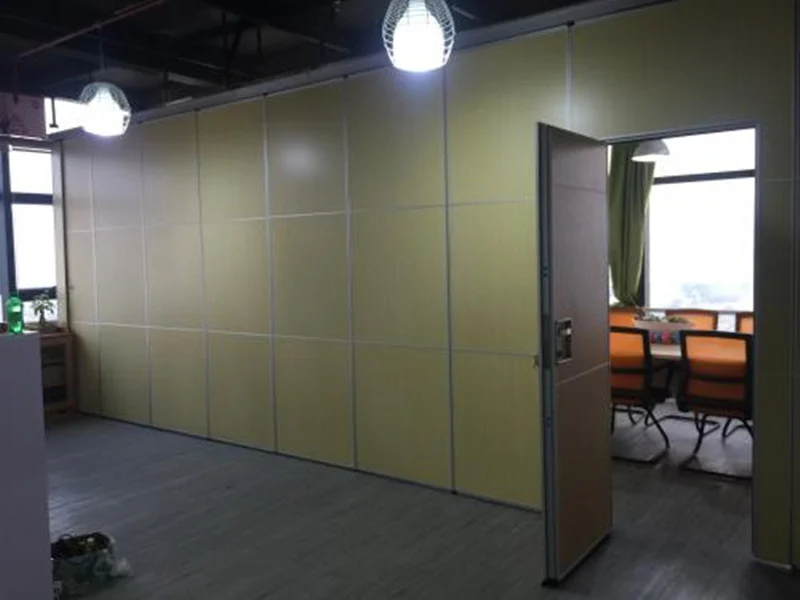
Ask each bidder to state, in writing, where their scope stops. Does it include the track, the fixings, the connection to structure, and the closure at each end of the run? Record answers as stated rather than interpreting them.
Straight, turning and stacking routes
Straight, turning and stacking routes are reviewed from the layout. Walk through each route on the drawing and ask who is responsible for the overhead route being continuous and connected. The exact route, junction arrangement, continuous overhead path and parking position must be confirmed from the coordinated project drawings.
Parking position
Parking style is customized to the customer layout and project requirements. Confirm who provides the space, who confirms the structure above the parking zone, and whether the stacking position shown on the drawing is the one being priced.
Use a structured exclusion log
Discussion without a written record tends to dissolve. Keep one log visible during the meeting and read it back before closing. The table below is a starting structure; adapt the rows to the project.
| Interface item | Question to resolve | Evidence to request |
|---|---|---|
| Support structure above track | Who designs and who installs? | Marked-up structural drawing |
| Track continuity | Is the route continuous across all segments? | Route drawing with junctions noted |
| End closures | Who closes the gap at each end? | Detail drawing reference |
| Parking zone | Is the stacking position fixed and priced? | Layout extract |
| Pass doors | Are pass-door requirements included? | Written scope statement |
| Finishes | Which finish options are priced? | Schedule of approved surfaces |
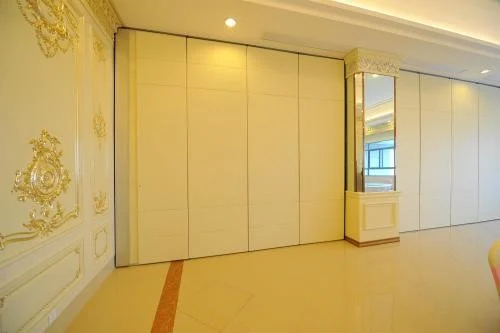
Confirmed finish options include laminate, melamine, fabric, leather, glass and other approved surfaces. Clarify which of these are in each bid rather than assuming a generic finish allowance covers the specified one.
Separate confirmed facts from assumptions
Clarification meetings drift when participants treat a drawing or a photograph as proof of performance.
Evidence note: acoustic descriptors such as STC or Rw are rating concepts used to compare systems under defined test conditions. They are not a simple count of decibels and should not be read as a promise of site performance. Where acoustic separation matters, ask for project-specific documentation and confirm the requirement with the responsible acoustic specialist.
Apply the same discipline to every other claim raised in the room. If a bidder asserts a capability, ask for the document that supports it and log the reference. If no document exists, record the item as open rather than accepting a verbal assurance.
Close the meeting with owned actions
End with a short recap: each open item, the party responsible, the evidence required and the date it is due. Circulate the log within one working day and ask each bidder to confirm or correct their entries in writing.
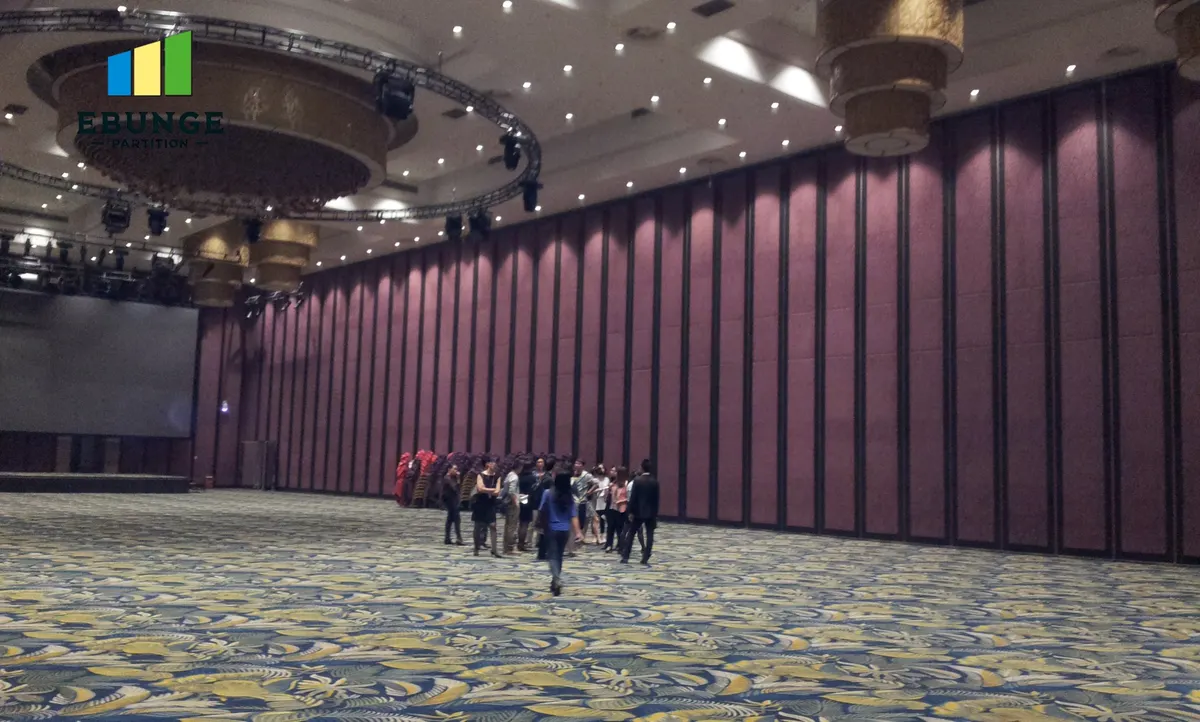
Only when the log is agreed should revised bids be invited. For background material on scope and documentation, the EBUNGE resources page is a useful starting point, and the movable walls product page sets out the maintained product context.
Frequently asked questions
Who should attend a bid clarification meeting on track interface exclusions?
The owner’s representative should attend if scope changes may follow.
Can exclusions be resolved by email instead of a meeting?
Email works for simple confirmations, but interface exclusions usually involve several parties who each believe another holds the scope. Panel handling and the operating sequence must be confirmed for the selected layout and project conditions.
What if a bidder will not confirm their scope in writing?
Record the item as unresolved and state that the bid cannot be compared until written confirmation arrives. An unconfirmed scope boundary is a commercial risk, not a minor administrative point.
Should acoustic performance be settled at this meeting?
No. The meeting should identify whether an acoustic requirement exists and who is responsible for providing supporting documentation. Actual performance depends on the complete assembly and the project conditions, and requires project-specific confirmation.
How do pass doors fit into the exclusion discussion?
Pass-door requirements should be stated explicitly in each bid. Ask whether a pass door is included, where it sits in the run, and which drawings describe it. If the requirement is unclear, raise it for discussion with the supplier before award.
When should the exclusion log be finalised?
Before revised bids are requested. Circulate the log promptly after the meeting, allow bidders to correct factual errors, and treat the agreed version as the basis for the next pricing round.
Conclusion and next steps
A well-run clarification meeting does not eliminate every uncertainty, but it converts hidden assumptions into recorded, owned items. Focus on the overhead route, the support interface, the parking position and the written scope boundary. Confirm project-specific support, acoustic and dimensional requirements with the responsible specialists before award.
If your team is preparing a tender and needs to discuss pass-door requirements, finish schedules or project documentation, contact EBUNGE to arrange a conversation about your layout.