
Quick answer: bidder track fixing preliminaries
Review focus: bidder track fixing preliminaries.
When a partition tender bidder track fixing preliminaries benchmark is missing, every bid can look similar on price while hiding different assumptions about the overhead structure. Movable wall panels are individually movable, suspended from a top track, cross the opening without a floor track, and park at a planned stacking position. Those four facts should shape how you compare bidders before award.
This article offers an evidence-bounded framework for contractors, architects, interior designers, owners and renovation teams. The suitability of each route and parking arrangement depends on the approved layout, circulation, ceiling interfaces and operating sequence.
Why Track Fixing Preliminaries Decide Tender Comparability
Project review term: bidder track fixing preliminaries.
Track fixing preliminaries describe how a bidder expects the top track to be supported, coordinated and handed over. They are not a single product line item.
If one bidder assumes a continuous overhead support route and another leaves gaps unresolved, the submissions are not comparable. The exact route, junction arrangement, continuous overhead path and parking position must be confirmed from the coordinated project drawings. A useful benchmark does not rank bidders by assumption; it exposes where each bidder has confirmed a route and where confirmation is still pending.
What Preliminaries Usually Cover
In a movable partition tender, preliminaries may include the proposed track route, support interface, stacking zone, panel parking sequence, finish coordination and documentation deliverables. The exact scope depends on the project. Ask each bidder to state what is included, what is excluded and what must be confirmed by others.
Build a Common Drawing Set Before Comparing Bids
Coordination scope: bidder track fixing preliminaries.
Comparability starts with one controlled drawing set. Mark the opening, the intended stacking position and any turning or crossing route.
Then require each bidder to return a marked-up track route. The goal is not to prefer one geometry over another; it is to see whether every proposed movement path has a continuous connected overhead route and a support review.
Drawing Items to Standardize
- Opening width and height as shown on the architectural plan.
- Proposed track route, including straight, turning and stacking sections.
- Parking position and whether it conflicts with other services.
- Pass-door location and swing or clearance requirements.
- Interface points with structure, ceiling and adjacent finishes.
- Documentation expected from the bidder before fabrication.
Use an Evidence Note for Every Performance Statement
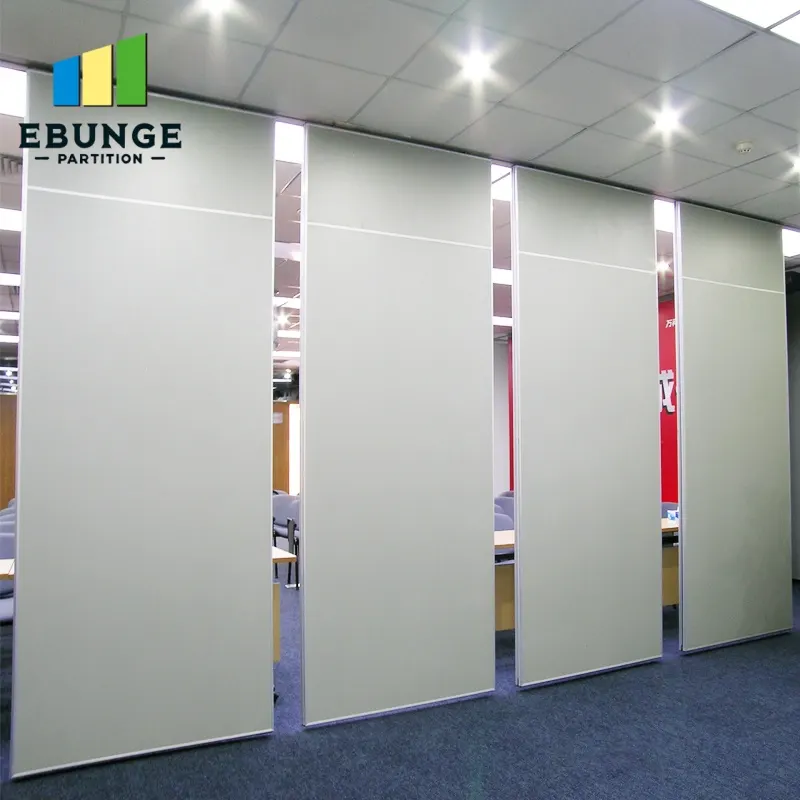
Checklist focus: bidder track fixing preliminaries.
Track fixing preliminaries often attract performance language. Treat each statement as a claim that needs matching project evidence.
Visible references can support layout discussion but do not verify hidden construction or performance.
Comparative, absolute and causal statements require corresponding evidence or an explicit project-specific confirmation boundary.
Benchmark the Bidder Response with a Decision Checklist
Review focus: bidder track fixing preliminaries.
A structured checklist keeps the review focused on what each bidder has actually addressed. Score the presence of information, not the promise of an outcome.
| Review area | What to look for | Evidence boundary |
|---|---|---|
| Track route | Marked-up straight, turning and stacking paths | Confirm continuous connected overhead route |
| Support interface | Named interface points and coordination responsibility | Project-specific structural review required |
| Parking position | Planned stacking zone shown on plan | Confirm against layout and services |
| Finish coordination | Laminate, melamine, fabric, leather, glass or other approved surfaces | Finish choice does not prove performance |
| Pass-door needs | Location and coordination questions raised | Confirm project-specific requirements |
| Documentation | Drawings, schedules and approval steps listed | Confirm scope with the project team |
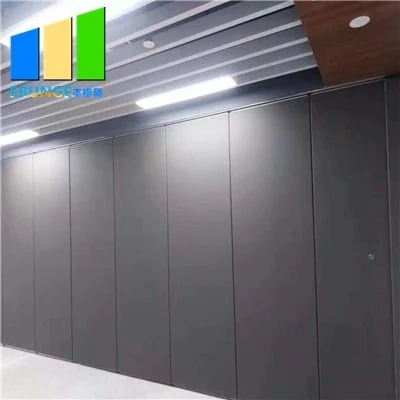
Ask Coordination Questions That Reveal Assumptions
Panel handling and the operating sequence must be confirmed for the selected layout and project conditions. Avoid questions that invite a yes or no. Ask for the drawing reference, the responsible party and the confirmation still outstanding.
Questions for the Bidder
- Which drawing shows your proposed track route, and where does it change direction?
- Where do you expect the stacking position to sit, and what must be cleared for it?
- Which support interfaces are included in your scope, and which are by others?
- How will you coordinate pass-door requirements with the door and frame package?
- What project-specific information do you still need before fabrication drawings?
- Which statements in your bid depend on confirmation from the structural or acoustic consultant?
Compare Documentation, Not Just Drawings
Two bidders can submit similar plans but very different documentation packages. Check whether each bidder has listed the drawings, schedules, finish approvals and interface notes they will provide.
For general planning context, the EBUNGE resources page can support early conversations. For maintained product context, review the movable walls product page. Neither replaces a project-specific review of support, acoustic and dimensional requirements.
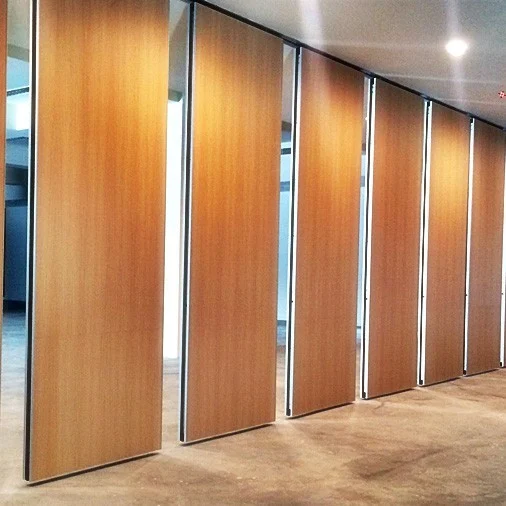
Red Flags in Preliminaries
- A track route that stops before the parking position without explanation.
- Performance language with no referenced evidence or confirmation boundary.
- Pass-door requirements mentioned but not located or coordinated.
FAQ: Benchmarking Track Fixing Preliminaries
What is a track fixing preliminaries benchmark in a partition tender?
It is a consistent way to compare how each bidder proposes to support, route and coordinate the top track. It focuses on drawing evidence, interface responsibility and outstanding confirmations rather than price alone.
Do movable partitions need a floor track?
EBUNGE movable partition panels are top-hung and move without a continuous floor running track or floor hardware along the partition line.
Can I compare acoustic ratings between bidders directly?
Ask for the project-specific configuration and matching test evidence instead of comparing numbers without context.
Which finish information should bidders provide?
Confirmed finish options include laminate, melamine, fabric, leather, glass and other approved surfaces.
How should pass-door requirements be handled?
Pass-door requirements and project documentation can be discussed with the project team. Bidders should locate the pass door, describe coordination with adjacent packages and state what remains to be confirmed.
What should I do if a bidder leaves the track route unresolved?
Ask for a marked-up route and a list of outstanding confirmations. Do not assume that an unresolved route will be resolved later without a named responsible party and a drawing reference.
Conclusion: Benchmark the Evidence, Then Confirm the Project
It compares what each bidder has shown, what remains open and who will confirm it. Use one drawing set, one checklist and one evidence standard across all bidders.
Before award, confirm project-specific support, acoustic and dimensional requirements with the responsible consultants. Then contact EBUNGE to discuss your layout, track route, parking position and documentation needs. Contact our team to start a project-specific conversation.