
When you operate a banquet hall, every square meter counts, especially during peak season. But the real challenge isn’t just space—it’s the ability to reconfigure it quickly without compromising privacy or acoustics. That’s why many operators are turning to an acoustic movable partition as a long-term investment. However, choosing the right partition wall system involves more than picking a catalog model. It requires careful evaluation of installation time, durability, acoustic performance, maintenance, cost, aesthetics, and building code compliance. This article focuses on making you quotation-ready and minimizing project risk, so you can confidently discuss your needs with suppliers and make an informed decision.
Direct answer: To solve space and privacy problems in your banquet hall, an acoustic movable partition is a flexible, cost-effective solution. But to ensure long-term satisfaction, you must specify your opening size, acoustic target, finish preference, and provide detailed drawings. Work with a factory-direct supplier who offers custom project coordination, top-hung track systems without floor rails, and clear installation guidance. This approach reduces decision risk, avoids hidden costs, and ensures the partition meets your operational needs for years to come.
Why Acoustic Movable Partitions Are Critical for Banquet Halls
Banquet halls host weddings, corporate events, and conferences, often simultaneously. The ability to divide a large space into smaller, private rooms is essential. An acoustic movable partition allows you to maximize revenue by booking multiple events at once. However, not all partitions deliver the same acoustic performance or durability. A poorly chosen system can lead to sound leakage, frequent maintenance, and even safety issues. Therefore, understanding the technical nuances before requesting quotes is crucial.
Unlike fixed walls, movable partitions offer flexibility. But they also introduce moving parts, seals, and tracks that require maintenance. The key is to select a system designed for high-frequency use, with quality materials and robust hardware. This is where the expertise of a reliable movable partition wall supplier becomes invaluable. They can guide you through the selection process, ensuring the system fits your specific application.
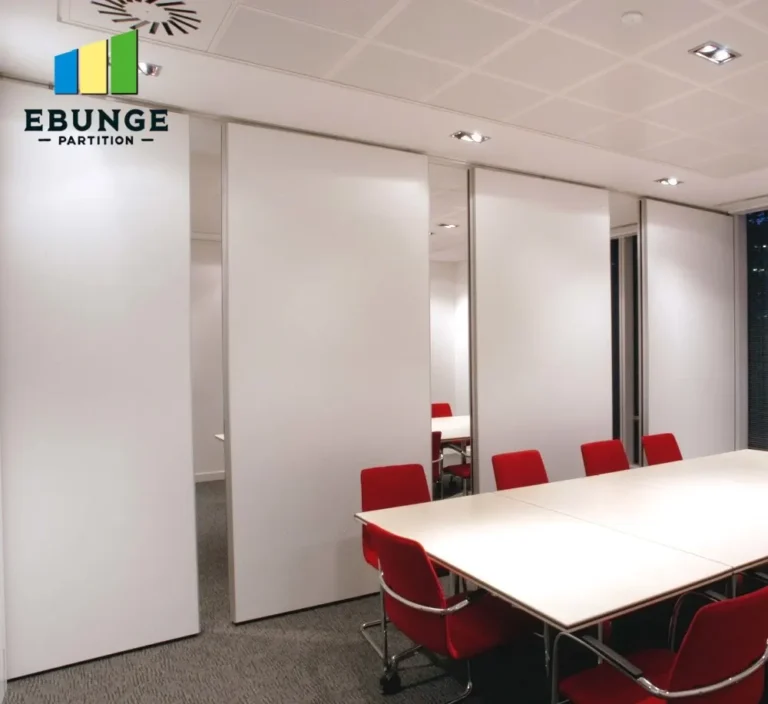
Need help turning the acoustic movable partition requirements into a practical project layout?
Key Considerations Before You Request a Quote
To avoid costly mistakes, you need to gather specific information before contacting suppliers. This includes the exact opening size (width, height, and depth), the desired acoustic rating (e.g., STC or Rw), the finish preferences (e.g., fabric, wood veneer, or laminate), and the number of panels. Additionally, you should have architectural drawings or at least a rough floor plan. These details allow suppliers to provide accurate quotations and identify potential challenges early.
Another critical factor is the condition of your ceiling and floor. A top-hung track system, which is the EBUNGE standard, requires adequate structural support. If your ceiling is not reinforced, additional work may be needed, affecting installation time and cost. Be prepared to discuss these aspects with your supplier to ensure a smooth project.
Installation Time: What to Expect and How to Plan
Installation time can vary significantly based on the complexity of the project. A simple straight run might take a few days, while a multi-track system with curved sections could take weeks. To minimize disruption to your operations, plan installation during off-peak periods. Discuss the timeline with your supplier and ask for a detailed schedule. A reputable supplier will provide a clear installation plan, including any required site preparation.
Remember, installation is not just about the partition itself. It involves coordinating with other trades, such as electricians for lighting or HVAC adjustments. A professional supplier will manage these interfaces, but you should be aware of the overall project timeline. This helps you set realistic expectations for your clients and staff.
Durability and Maintenance: Protecting Your Investment
Banquet halls experience heavy traffic, so durability is non-negotiable. Look for partitions with robust panel construction, high-quality seals, and corrosion-resistant tracks. The finish should be able to withstand cleaning and minor impacts. Ask suppliers about the materials used and their expected lifespan. While you cannot rely on unverified claims, a reputable supplier will provide technical data sheets and references.
Maintenance is another ongoing concern. Top-hung systems without floor rails reduce wear and tear and simplify cleaning. Regular maintenance includes checking seals, lubricating tracks, and inspecting panels for damage. Ask your supplier for a maintenance checklist and recommended service intervals. Some suppliers offer maintenance contracts, which can be cost-effective in the long run.
Acoustic Performance: Matching Expectations with Reality
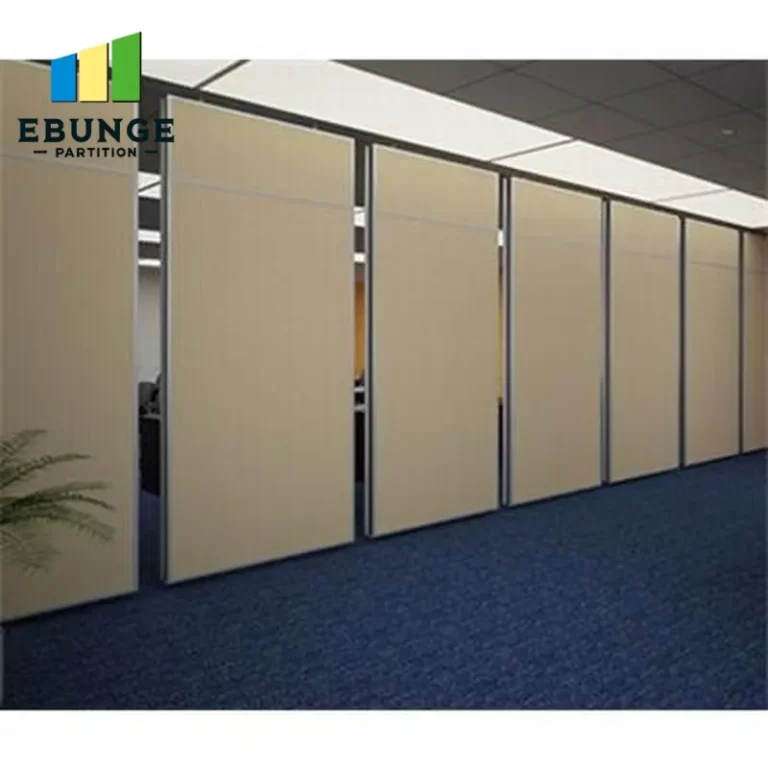
Acoustic performance is often the main reason for installing a movable partition. However, the actual sound insulation depends on several factors: the partition’s construction, the seals around the perimeter, and the surrounding structure. A partition rated at STC 50 may not perform as expected if there are gaps or flanking paths. Therefore, it’s essential to discuss your acoustic target with the supplier and understand the limitations.
For banquet halls, an acoustic rating of STC 40-50 is typically sufficient for speech privacy. Higher ratings may be needed for music or AV systems. Be realistic about your needs and budget. A supplier can help you select the appropriate panel thickness, glazing, and seal types to achieve the desired performance. Always request acoustic test reports from independent laboratories to validate claims.
Aesthetic Integration: Making the Partition Part of Your Design
The partition should not look like an afterthought. It must blend seamlessly with your interior design. Choose finishes that match your existing décor, whether it’s fabric, wood, or laminate. Some suppliers offer custom colors and patterns. Also, consider the visual impact of the track and hardware. A well-designed system will have minimal visible components, enhancing the overall aesthetic.
During the quotation phase, provide samples of your interior finishes to the supplier. This allows them to recommend compatible partition finishes. Also, ask about the availability of custom sizes and configurations. A flexible supplier can accommodate unusual dimensions or design features, such as curved tracks or integrated doors.
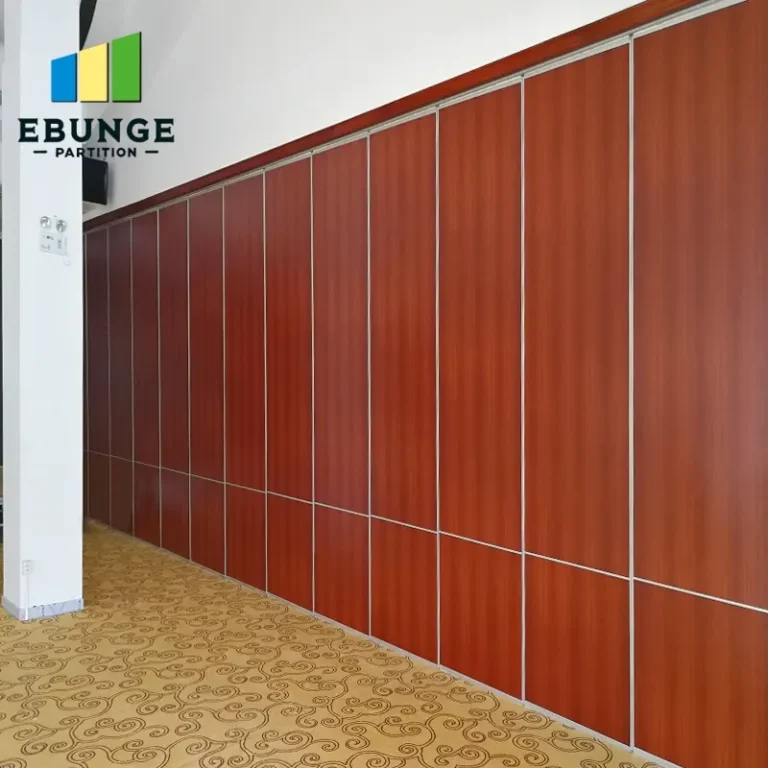
Share the opening, drawings, finish direction, and privacy target for a project-specific review.
Compliance with Building Codes and Safety Standards
Your partition system must comply with local building codes, including fire safety, accessibility, and structural requirements. For example, panels may need to meet fire resistance ratings, and the system must not obstruct emergency exits. Ensure your supplier is familiar with the codes in your area and can provide documentation of compliance. This is not just a legal requirement but also a safety issue for your guests and staff.
Additionally, consider the weight of the panels and the load on the ceiling. A professional supplier will conduct a structural assessment to ensure the track is properly supported. They should also provide installation instructions that comply with safety standards. Don’t hesitate to ask for copies of certifications or test reports.
Cost-Effectiveness: Beyond the Initial Quote
When evaluating costs, look beyond the initial quote. Consider the total cost of ownership, including installation, maintenance, and energy efficiency. A higher-quality partition may have a higher upfront cost but lower maintenance and longer lifespan. Also, factor in the potential revenue increase from flexible space usage. A partition that allows you to host more events can pay for itself quickly.
To get accurate quotes, provide detailed specifications to suppliers. This reduces the risk of change orders later. Compare multiple quotes, but don’t choose solely on price. Evaluate the supplier’s reputation, experience, and after-sales support. A slightly higher quote from a reliable supplier may be more cost-effective in the long run.
How to Compare Quotes and Select the Right Supplier
Once you have quotes from several suppliers, compare them systematically. Create a checklist that includes: product specifications, acoustic performance, installation timeline, warranty terms, and maintenance requirements. Also, assess the supplier’s responsiveness and willingness to answer your questions. A supplier who is transparent and communicative is more likely to deliver a successful project.
Consider visiting a showroom or an installation site to see the product in action. This gives you a sense of the quality and finish. Ask for references from other banquet hall operators. Their experiences can provide valuable insights into the supplier’s reliability and post-installation support.
Practical Checklist for Banquet Hall Operators
To ensure you are fully prepared, here is a checklist to use during the decision-making process:
- Measure the opening size accurately (width, height, depth).
- Define your acoustic target (e.g., STC 45).
- Select finishes that match your interior design.
- Prepare architectural drawings or floor plans.
- Check ceiling structural support for top-hung track.
- Ask about installation time and schedule.
- Request acoustic test reports and compliance certifications.
- Discuss maintenance requirements and service plans.
- Compare total cost of ownership, not just initial quote.
- Verify supplier’s experience with banquet halls.
Conclusion: Making a Confident, Informed Decision
Selecting an acoustic movable partition for your banquet hall is a significant investment. By focusing on quotation readiness and understanding the key factors—installation, durability, acoustics, aesthetics, compliance, and cost—you can minimize project risks and ensure long-term satisfaction. A factory-direct supplier like EBUNGE can provide custom project coordination, top-hung track systems, and expert guidance. For more insights, explore our blog and movable partition cost resources. With the right partner, your banquet hall can achieve optimal space utilization and privacy, enhancing your reputation and profitability.
Frequently Asked Questions
What is the typical installation time for an acoustic movable partition?
Installation time varies based on project complexity. A simple straight run may take 2-3 days, while multi-track systems can take 1-2 weeks. Your supplier should provide a detailed timeline after assessing the site.
How do I determine the right acoustic rating for my banquet hall?
Consider the type of events you host. For speech privacy, an STC 40-50 is usually sufficient. For music or AV, you may need higher ratings. Discuss your specific needs with your supplier.
What maintenance does a movable partition require?
Regular maintenance includes cleaning tracks, checking seals, and inspecting panels. Your supplier can provide a maintenance schedule and recommend service intervals.
Can the partition be customized to match my interior design?
Yes, most suppliers offer a variety of finishes, including fabric, wood veneer, and laminate. You can also request custom colors and patterns to match your décor.
Do I need to reinforce my ceiling for a top-hung track system?
Top-hung tracks require adequate structural support. Your supplier should conduct a structural assessment to ensure safety and performance.
Send the opening size and drawings to discuss a differentiated acoustic movable partition solution.