
For banquet hall operators, the challenge of maximizing revenue while accommodating diverse events often collides with the physical limitations of a fixed space. Movable walls offer a proven solution, but the decision to invest in a partition wall system is not merely about aesthetics; it is a strategic move that impacts operational efficiency, guest satisfaction, and long-term profitability. This guide focuses on the critical factors that influence quotation readiness and project decision-making, ensuring you approach suppliers with clarity and confidence. We will explore how to evaluate a folding partition wall supplier, assess acoustic partition performance, and plan for installation and maintenance, all while keeping your community center’s unique needs in mind.
Direct Answer: To solve space and privacy problems with movable walls, focus on defining your project’s technical parameters—opening size, acoustic target, finish preference—and require suppliers to provide detailed drawings and factory direct support. This approach minimizes installation downtime, ensures durability for frequent use, and aligns with building codes, ultimately delivering a better return on investment.
Why Movable Walls Are a Strategic Investment for Banquet Halls
Banquet halls thrive on flexibility. A single space may host a wedding reception, a corporate seminar, and a community dinner within the same week. Movable walls transform a large hall into multiple smaller rooms, increasing booking potential and allowing simultaneous events. However, the long-term value of a partition wall system depends on how well it is specified and installed. A poorly chosen system can lead to operational headaches, maintenance costs, and even code violations. Therefore, the procurement process must be meticulous, starting with a clear understanding of your space and requirements.
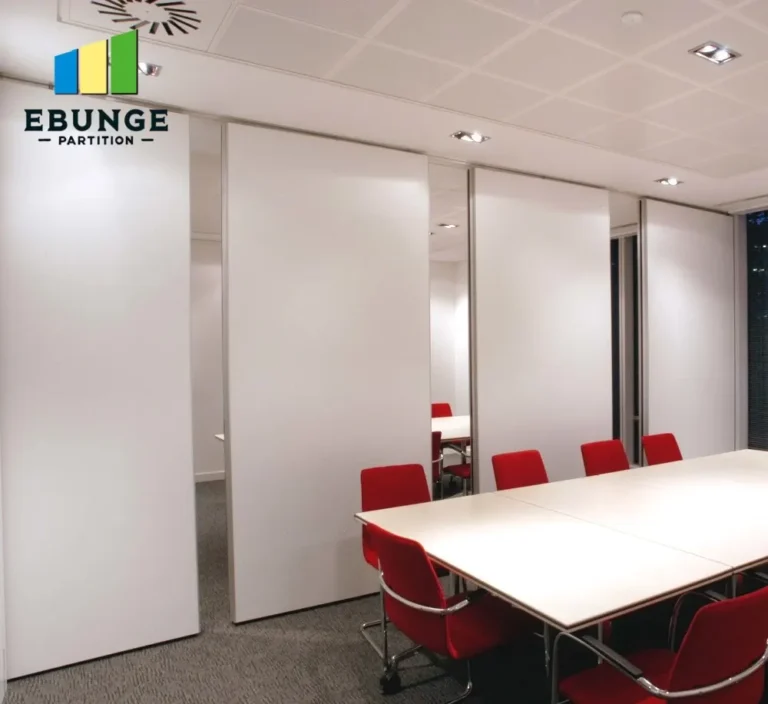
Need help turning the movable walls requirements into a practical project layout?
Defining Your Project Requirements: The Foundation of a Reliable Quotation
Before contacting a folding partition wall supplier, you must document your project’s specifics. This documentation is the bedrock of a meaningful quotation and helps avoid costly misunderstandings later. Key data points include:
- Opening size: Measure the width and height of each opening you intend to divide. Include details about the ceiling structure, floor conditions, and any obstructions.
- Acoustic target: Determine the desired sound insulation. For banquet halls, an acoustic partition with a Sound Transmission Class (STC) rating of 50 or higher is often recommended, but your specific needs may vary. Be prepared to discuss your acceptable noise level.
- Finish preference: Choose finishes that match your existing decor. Options include fabric, vinyl, wood veneer, or painted surfaces. Consider durability and ease of cleaning.
- Operational needs: How frequently will the walls be moved? Will they be operated by staff or guests? This impacts the choice of manual or motorized systems.
- Building codes: Ensure your project complies with local fire safety, accessibility, and structural codes. A reputable supplier will guide you, but you must provide your building’s specifications.
Comparing Suppliers: What to Look for in a Folding Partition Wall Supplier
Not all suppliers are equal. When comparing, look beyond the price tag. The ideal supplier offers more than just a product; they provide a solution that includes engineering support, installation guidance, and after-sales service. Here are key criteria:
- Experience: How many similar projects have they completed? Ask for references from banquet halls or community centers.
- Factory direct support: Suppliers who manufacture their own products often offer better customization and faster response times. They can also provide detailed drawings and technical specifications.
- Drawings and documentation: A professional supplier will supply detailed CAD drawings, installation manuals, and maintenance schedules. This documentation is vital for your team and for future reference.
- Warranty and after-sales: While we cannot specify warranty terms, ensure the supplier clearly states what is covered and for how long. Understand the process for requesting service.
- Compliance: Confirm that their products meet relevant building codes and standards. Request certificates, but be cautious of unverified claims.
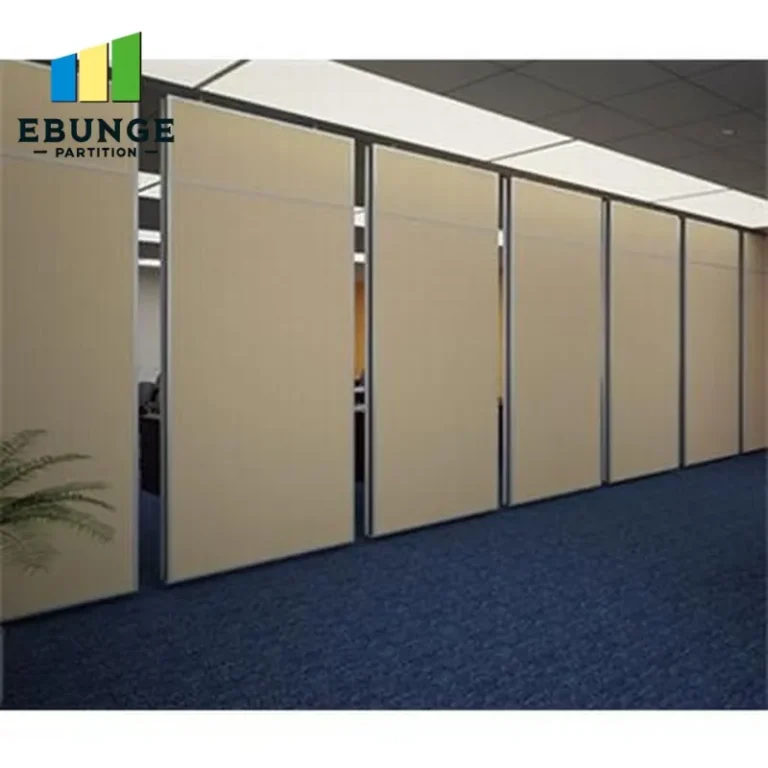
The Importance of Acoustic Performance in a Partition Wall System
In a banquet hall, sound control is critical. A partition wall system’s acoustic performance is determined by its construction, seals, and installation quality. When discussing acoustic partition options, consider the following:
- Sound Transmission Class (STC): This rating indicates how well a wall reduces sound transmission. Higher STC values mean better performance. For banquet halls, you may need an acoustic partition with an STC of 50 or more, but the exact target depends on the types of events you host.
- Seals and gaps: Proper sealing around the perimeter is essential to prevent sound leaks. Ask about the sealing system and how it is maintained.
- Flanking paths: Sound can travel through ceilings, floors, and adjacent structures. A good supplier will assess these paths and recommend solutions.
Installation and Downtime: Planning for Minimal Disruption
Installation downtime can affect your operations. To minimize disruption, plan ahead:
- Schedule installation during off-peak periods: If possible, time the installation during a quiet season or between major events.
- Prepare the site: Ensure the area is clear and accessible. Discuss any necessary preparations with the supplier, such as electrical work or ceiling reinforcement.
- Understand the installation process: A top-hung track system, like those offered by EBUNGE, typically requires less floor work and can be faster to install than floor-mounted systems. Ask for a timeline and a detailed plan.
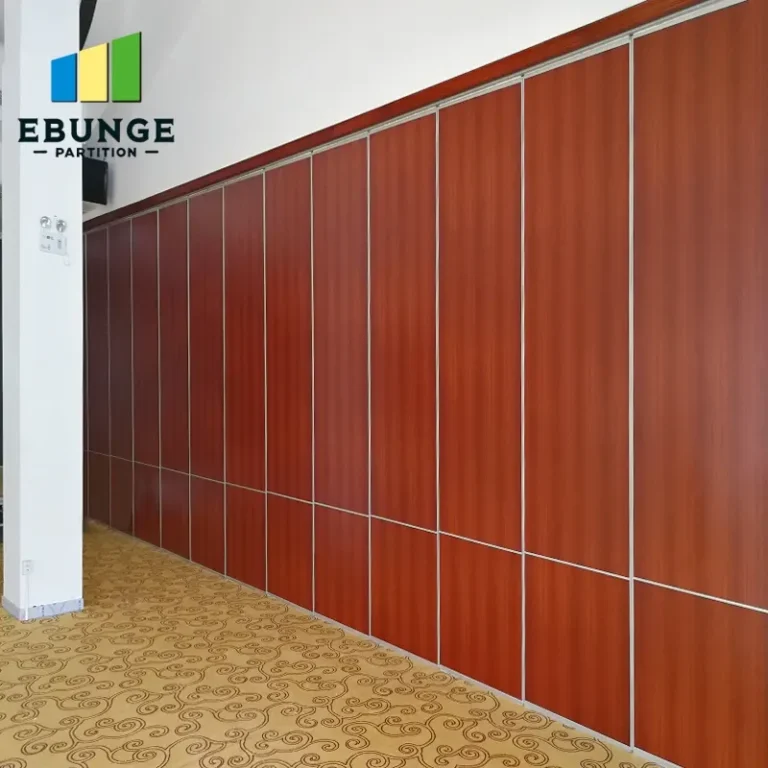
Share the opening, drawings, finish direction, and privacy target for a project-specific review.
Durability and Maintenance: Ensuring Long-Term Performance
Banquet hall walls are used frequently, so durability is non-negotiable. When evaluating a partition wall system, consider the following:
- Materials: Look for robust construction, such as steel frames and high-quality panels. Finishes should be resistant to scratches and stains.
- Hardware: The track, trolleys, and seals should be designed for frequent use. Ask about the quality of these components.
- Maintenance requirements: A well-designed system should require minimal maintenance. However, regular inspections and cleaning are necessary. The supplier should provide a maintenance guide.
- Ease of operation: Test the system’s operation. Is it smooth? Can staff easily move and secure the walls? Consider motorized options for larger panels.
Compliance with Building Codes and Safety Standards
Safety is paramount. Your partition wall system must comply with local building codes, including fire safety, accessibility, and structural integrity. Work with a supplier who understands these requirements and can provide documentation. Key points:
- Fire ratings: Depending on your location, you may need a wall with a specific fire-resistance rating. Verify the supplier’s certifications.
- Accessibility: Ensure that the system does not create barriers for people with disabilities. Consider door openings and maneuvering space.
- Structural support: The ceiling and floor must support the weight of the walls. A professional supplier will verify load capacities.
Return on Investment: Calculating the Financial Impact
Investing in movable walls can increase your venue’s versatility and revenue. To calculate ROI, consider:
- Increased bookings: The ability to host multiple events simultaneously can boost your booking rate.
- Higher space utilization: Smaller rooms can be rented for smaller events, filling gaps in your schedule.
- Cost savings: Avoid the expense of building permanent walls, and reduce energy costs by heating or cooling only occupied spaces.
- Maintenance costs: Factor in the expected maintenance over the wall’s lifespan.
To assist in your evaluation, here is a practical checklist:
| Criteria | Questions to Ask | Notes |
|---|---|---|
| Space Measurement | What are the exact dimensions of the opening? | Include height, width, and any obstructions. |
| Acoustic Needs | What STC rating is required? | Consider the types of events and acceptable noise levels. |
| Finish and Aesthetics | What finish options are available? | Match with existing decor and durability needs. |
| Installation Plan | What is the estimated downtime? | Plan for off-peak scheduling. |
| Maintenance | What is the recommended maintenance schedule? | Ensure your staff can perform routine checks. |
| Compliance | Does the system meet local codes? | Request certificates and documentation. |
| Supplier Support | Is factory direct support available? | Can they provide drawings and guidance? |
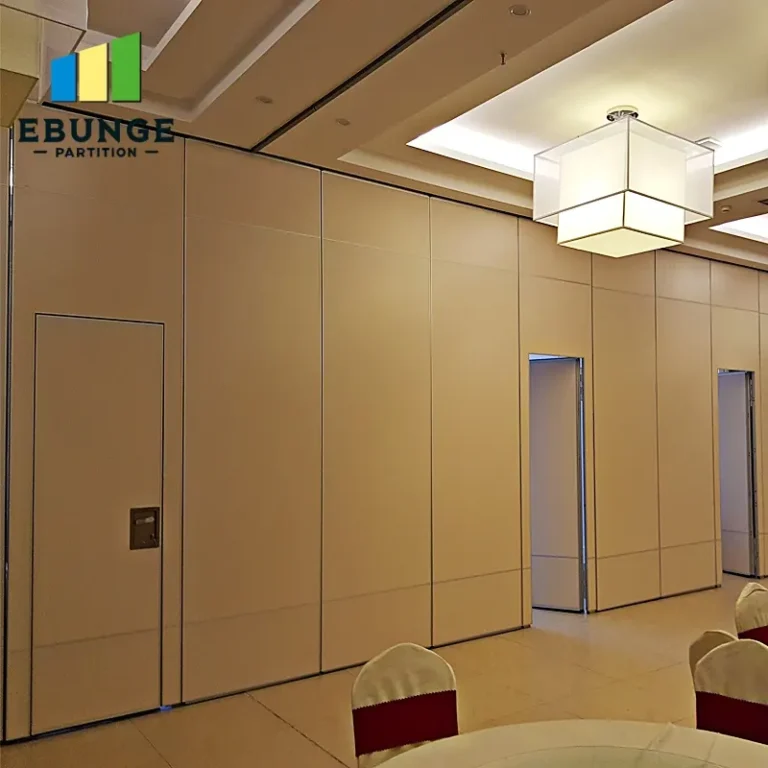
Conclusion: Making an Informed Decision
Selecting the right movable walls for your banquet hall is a decision that affects your operations and bottom line for years to come. By focusing on technical specifications, supplier capabilities, and long-term maintenance, you can avoid common pitfalls and ensure a successful project. Remember to gather all necessary data, ask detailed questions, and prioritize a supplier who offers factory direct support and comprehensive documentation. With careful planning, you can enhance your venue’s flexibility and profitability.
Frequently Asked Questions
What is the typical acoustic performance of movable walls?
Acoustic performance varies by system. For banquet halls, an acoustic partition with an STC rating of 50 or higher is often recommended. However, the exact target depends on your specific needs and the types of events you host. Always discuss your acoustic requirements with the supplier.
How long does installation take?
Installation time depends on the size of the project and the complexity of the system. A top-hung track system, for example, may be faster to install than floor-mounted options. The supplier should provide a detailed timeline during the quotation phase.
Can movable walls be customized to match my existing decor?
Yes, most suppliers offer a range of finishes, including fabric, vinyl, wood veneer, and painted surfaces. You can choose a finish that complements your banquet hall’s interior design.
What maintenance is required for movable walls?
Regular maintenance is essential to ensure smooth operation. This includes cleaning the track, checking seals, and inspecting hardware. The supplier should provide a maintenance guide. Frequency depends on usage.
Are movable walls compliant with building codes?
Reputable suppliers design their products to meet relevant building codes, but it is your responsibility to ensure compliance with local regulations. Ask for certificates and verify that the system meets fire safety, accessibility, and structural requirements.
How do I get an accurate quotation?
Provide the supplier with detailed information, including opening sizes, acoustic targets, finish preferences, and any special requirements. A professional supplier will also request drawings to ensure accuracy.
For more insights on movable partition costs and supplier comparisons, explore our Movable Partition Cost category and blog posts. If you are ready to discuss your project, contact us for personalized support.
Send the opening size and drawings to discuss a differentiated movable walls solution.