
Quick project answer
Review focus: track fixing method statement.
The exact route, junction arrangement, continuous overhead path and parking position must be confirmed from the coordinated project drawings. Because operable wall panels are top-hung and cross the opening without a continuous floor track, the track fixing method statement becomes a central coordination document. It should show how the proposed route connects, how the support condition is addressed, and how the installation interfaces with the building structure. This article offers an evidence-bounded framework for that review, without inferring hidden performance or engineering outcomes.
Why Track Fixing Method Statements Matter in Operable Wall Tenders
Project review term: track fixing method statement.
Operable walls are not freestanding; they depend on a continuous overhead route. The method statement should explain how the track is fixed, how straight, turning and stacking routes are reviewed from the layout, and how the panels will park at a planned stacking position. A weak statement often leaves these interfaces unresolved, shifting coordination risk to the project team after award.
During tender review, the goal is not to redesign the system but to test whether the bidder has addressed the project-specific support, acoustic and dimensional requirements. That means checking that the statement is complete, internally consistent, and traceable to the drawings and specifications issued in the tender.
What a Complete Track Fixing Method Statement Should Contain
Coordination scope: track fixing method statement.
A complete submission should describe the sequence of fixing, the interface with the supporting structure, and the evidence the bidder will provide for review. It should also identify any assumptions or exclusions that could affect coordination. The table below offers a compact comparison of common submission gaps and the corresponding audit question.
| Submission element | Common gap | Audit question |
|---|---|---|
| Route description | Straight run only; turning and stacking routes not addressed | Does the statement show how the full movement path is supported? |
| Support interface | Generic reference to structural support without project-specific review | Has the bidder confirmed the support condition against the issued drawings? |
| Parking position | Stacking location shown but not coordinated with adjacent services | Is the planned stacking position clear and conflict-free? |
| Finish and pass-door coordination | Finish options listed without interface details | Are pass-door requirements and approved surfaces discussed? |
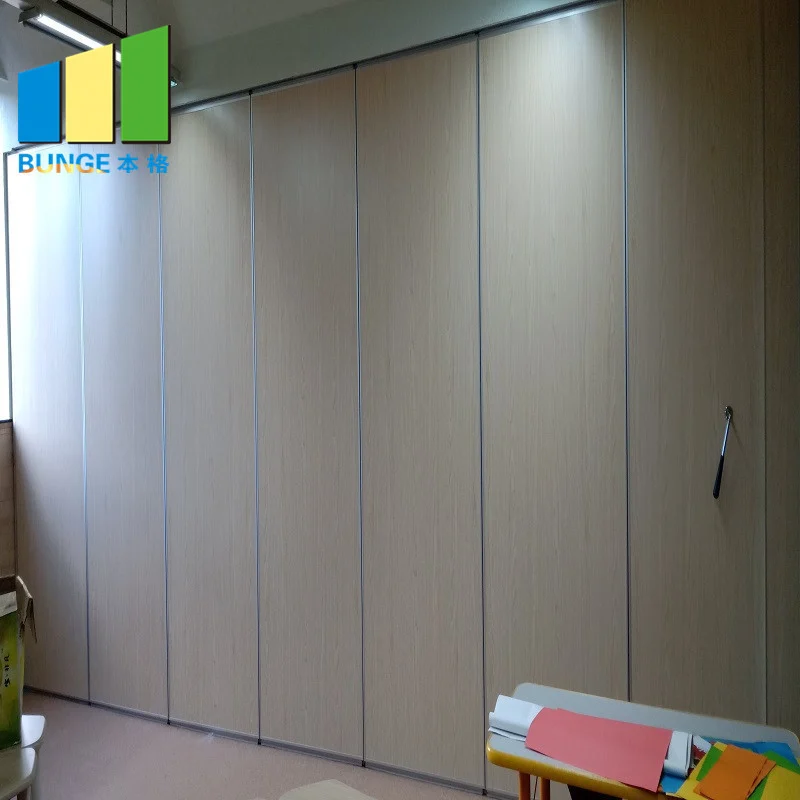
Use this table as a prompt, not a scorecard. Each project will have different priorities, and the bidder should be asked to confirm project-specific support, acoustic and dimensional requirements rather than rely on generic statements.
A Step-by-Step Audit Process for Bidder Method Statements
Checklist focus: track fixing method statement.
A repeatable process helps reviewers compare submissions fairly and document their reasoning. The following numbered sequence can be adapted to the tender stage and the project team’s approval workflow.
- Check the scope statement. Confirm the method statement covers the full track route, including straight, turning and stacking sections, and that it references the issued layout drawings.
- Verify the support interface. The exact overhead route and support arrangement must be confirmed by the responsible project team from coordinated drawings.
- Review the parking strategy. Confirm that the planned stacking position is shown and that the method statement explains how panels will park without obstructing other building functions.
- Examine finish and pass-door coordination. Check whether the bidder has addressed approved finish options such as laminate, melamine, fabric, leather, glass and other approved surfaces, and whether pass-door requirements are discussed.
- Assess documentation completeness. Confirm that the bidder has provided the project documentation needed for review, and that any missing information is flagged for clarification.
- Record clarification questions. Note any gaps that require a written response before evaluation is finalized, so that assumptions are not carried into the contract.
Evidence Boundaries: What You Can and Cannot Infer
Review focus: track fixing method statement.
Track fixing method statements are coordination documents, not performance certificates. You can review whether the described route is continuous and supported, whether the parking position is coordinated, and whether the bidder has addressed the project-specific requirements. The suitability of each route and parking arrangement depends on the approved layout, circulation, ceiling interfaces and operating sequence.
Evidence note: A method statement can show intent and coordination, but it does not replace project-specific engineering review, acoustic verification, or dimensional confirmation.
Common Red Flags in Track Fixing Submissions
Project review term: track fixing method statement.
Certain patterns in bidder submissions deserve closer scrutiny. They are not necessarily disqualifying, but they often indicate that coordination work remains incomplete.
- No reference to turning or stacking routes, even when the layout includes them.
- Parking positions shown without coordination with adjacent doors, services or finishes.
- Finish schedules that list options without confirming which surfaces are approved for the project.
- Pass-door requirements mentioned but not integrated into the panel and track layout.
- Missing project documentation or unclear assumptions about site conditions.
When these red flags appear, request a written clarification. The response should either resolve the gap or state the exact project-specific confirmation boundary that remains.
Coordinating the Audit with Procurement and Design Teams
The audit is most effective when procurement, design and construction teams review the method statement together. Procurement can check commercial completeness, the design team can verify dimensional and layout consistency, and the construction team can assess buildability and interface risk. This coordination should be documented so that decisions are traceable.
For broader guidance on tender review and project planning, the EBUNGE resources page provides general reference material. Product-specific information about top-hung operable walls is available on the operable wall partition page. When the review raises questions that require project-specific answers, the project team should contact the supplier directly through the contact page.
Frequently Asked Questions
What is the first thing to check in a track fixing method statement?
Start with the route description. Confirm that the statement covers the full movement path, including straight, turning and stacking sections, and that it references the issued layout drawings. A statement that only addresses a straight run may leave critical coordination unresolved.
Can I compare bidders using a standard checklist?
A checklist can help organize the review, but it should not replace project-specific judgment. Use it to ensure that key topics are addressed, then evaluate whether each bidder has confirmed the project-specific support, acoustic and dimensional requirements.
How should acoustic performance be treated in the audit?
Provide the current layout, opening dimensions, ceiling information, intended room use, and relevant project drawings for review. The exact overhead route and support arrangement must be confirmed by the responsible project team from coordinated drawings.
What if the bidder’s method statement includes assumptions?
Assumptions are common, but they should be explicit and flagged for confirmation. Ask the bidder to clarify how each assumption will be verified against the project drawings and specifications before the contract is awarded.
Does a top-hung system need a floor track?
Operable wall panels are individually movable and suspended from a top track. They cross the opening without a floor track, and they park at a planned stacking position. The absence of a continuous floor track means the overhead route and support condition deserve particular attention during the audit.
How do finish options affect the track fixing review?
Finish options such as laminate, melamine, fabric, leather, glass and other approved surfaces can influence panel weight and interface details, but the method statement should be reviewed for coordination rather than inferred performance. Confirm finish approvals and any related dimensional requirements with the project team.
Conclusion: Audit for Coordination, Not Assumed Performance
Auditing bidder track fixing method statements in operable wall tenders is ultimately a coordination exercise. The goal is to confirm that each bidder has addressed the full track route, the support interface, the parking strategy, and the project-specific requirements that matter to your building. By staying within evidence boundaries and documenting clarification questions, project teams can compare submissions more consistently and reduce the risk of unresolved assumptions after award.
To discuss project-specific support, acoustic and dimensional requirements, or to review documentation for your next tender, contact EBUNGE.