
When you are specifying an operable wall system supplier for a conference room, the decision goes far beyond comparing product brochures. As an architect, you need a partner who can translate your acoustic and spatial requirements into a reliable, buildable solution—especially when the project involves overseas delivery. This guide focuses on the practical steps to evaluate suppliers, prepare your inquiry, and ensure your conference room partition wall meets expectations without surprises.
Direct answer: To assess an operable wall system supplier for a conference room, you must verify their technical capability (acoustic performance, top-hung track system, custom finishes), request detailed quotations with transparent cost breakdowns, confirm delivery and installation support (especially for overseas projects), and check references or case studies. Always provide complete project information—opening size, drawings, acoustic target, finish preference, and location—to get accurate proposals.
Operable Wall System Supplier: Why Supplier Reliability Matters in Conference Room Projects
Conference rooms are high-traffic spaces where acoustic privacy and flexibility are critical. A movable partition wall that underperforms can disrupt meetings and reflect poorly on your design. Supplier reliability directly impacts project timelines, product quality, and long-term maintenance. An unreliable supplier may promise delivery dates they cannot meet, especially for overseas shipments, or lack the customization capability to match your design intent.
When evaluating an operable wall system supplier, look for evidence of consistent manufacturing standards, clear communication, and a track record of delivering projects on time. Ask for references from similar conference room installations and verify their claims with direct client feedback.
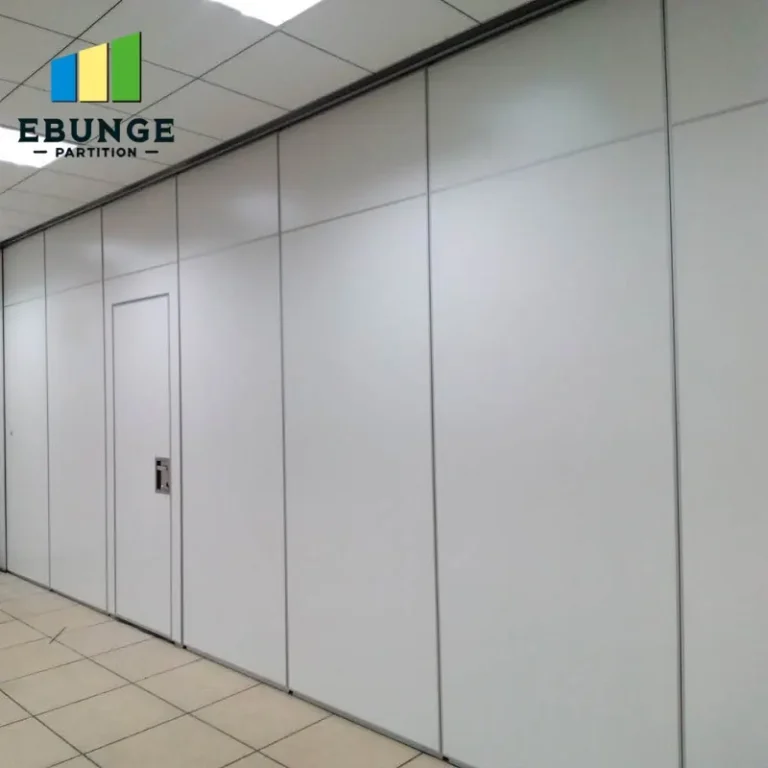
Need help turning the operable wall system supplier requirements into a practical project layout?
Key Technical Requirements for Conference Room Operable Walls
Before contacting suppliers, define your technical specifications. For a conference room, the most critical aspects are:
- Acoustic performance: Determine the required Sound Transmission Class (STC) rating based on the room’s use. For confidential meetings, higher STC (e.g., 45-50) is often needed. Confirm the rating with test data, not just marketing claims.
- Top-hung track system: This system eliminates floor rails, creating a flush floor surface—ideal for conference rooms where aesthetics and safety are important. Ensure the supplier has experience with this mechanism.
- Customization: Can the supplier accommodate your specific opening size, finish (e.g., veneer, laminate, fabric), and integration with existing architecture?
- Acoustic partition solutions: Look for additional features like perimeter seals, acoustic panels, and glazing options that enhance sound insulation.
Provide these details in your inquiry to receive accurate quotations and technical advice.
How to Prepare a Supplier Inquiry That Gets Accurate Quotes
A vague inquiry leads to vague responses. To compare suppliers effectively, you must give them all necessary information upfront. At minimum, include:
- Opening size: Width, height, and number of panels required.
- Drawings: Architectural drawings or sketches showing the installation area, ceiling conditions, and stack pocket location.
- Acoustic target: Specify the desired STC rating or acoustic performance level.
- Finish preference: Materials, colors, and textures you have in mind.
- Project location: This is crucial for assessing delivery logistics, import duties, and installation support availability.
By providing these details, you signal that you are a serious buyer, and you will receive more detailed, comparable proposals. This approach also filters out suppliers who are not equipped to handle custom projects.
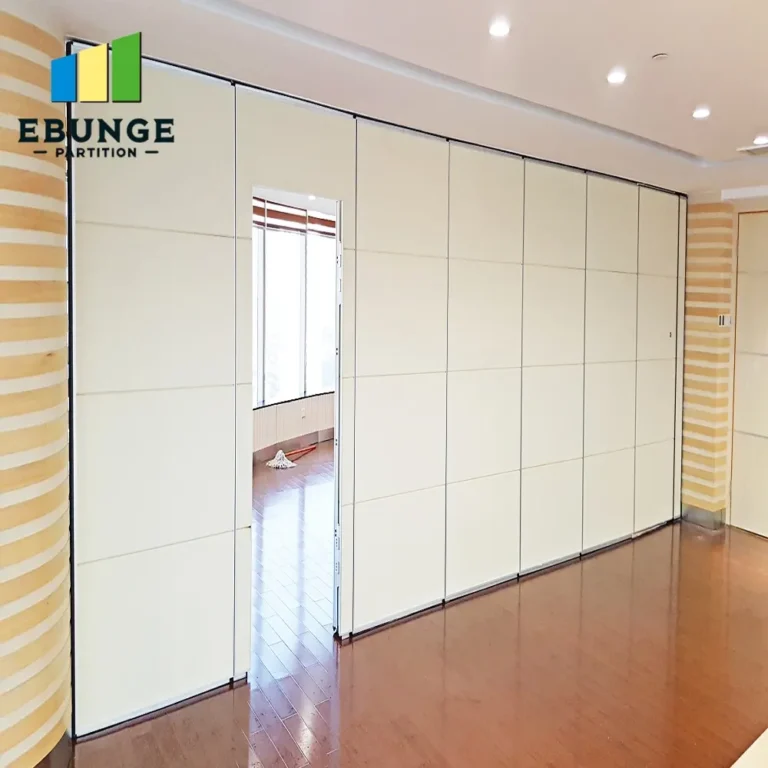
Evaluating Customization Capability and Product Quality
Not all operable wall system suppliers offer the same level of customization. Some only provide standard sizes and finishes, while others can tailor solutions to your exact specifications. When assessing customization capability, ask:
- Can you manufacture panels in non-standard sizes?
- What finishes are available, and can you match specific materials or colors?
- Do you offer integrated doors, glazing, or whiteboard surfaces?
- Can you accommodate unusual ceiling heights or irregular openings?
Product quality is reflected in materials, hardware, and manufacturing tolerances. Request samples or visit a showroom if possible. For overseas suppliers, consider requesting a video call to inspect their facility and discuss quality control processes.
Understanding Cost Transparency and Quotation Breakdown
Cost transparency is essential to avoid budget overruns. A reliable supplier will provide a detailed quotation that breaks down costs into components such as:
- Panels and hardware
- Track and suspension system
- Acoustic seals and perimeter gaskets
- Finishes and custom options
- Delivery and freight charges
- Installation and supervision (if applicable)
- Taxes and duties
Beware of quotes that lump everything into a single price. Ask for a clear breakdown and clarify what is included and what is not. Also, confirm the payment terms, lead time, and any potential additional costs for changes or delays.
Managing Overseas Delivery and Installation Challenges
For projects outside the supplier’s home country, logistics can be complex. Consider the following:
- Shipping: How will the operable wall system supplier handle packing, freight, and insurance? Are they experienced with international shipments?
- Customs and duties: Who is responsible for import clearance and associated costs? Clarify this in the quotation.
- Installation: Does the supplier provide installation drawings and guidance? Can they recommend local installers or offer remote supervision?
- Lead time: Include manufacturing, shipping, and installation time in your project schedule. Add buffer for potential delays.
An experienced supplier will have a process for overseas projects and can provide references from clients in your region.
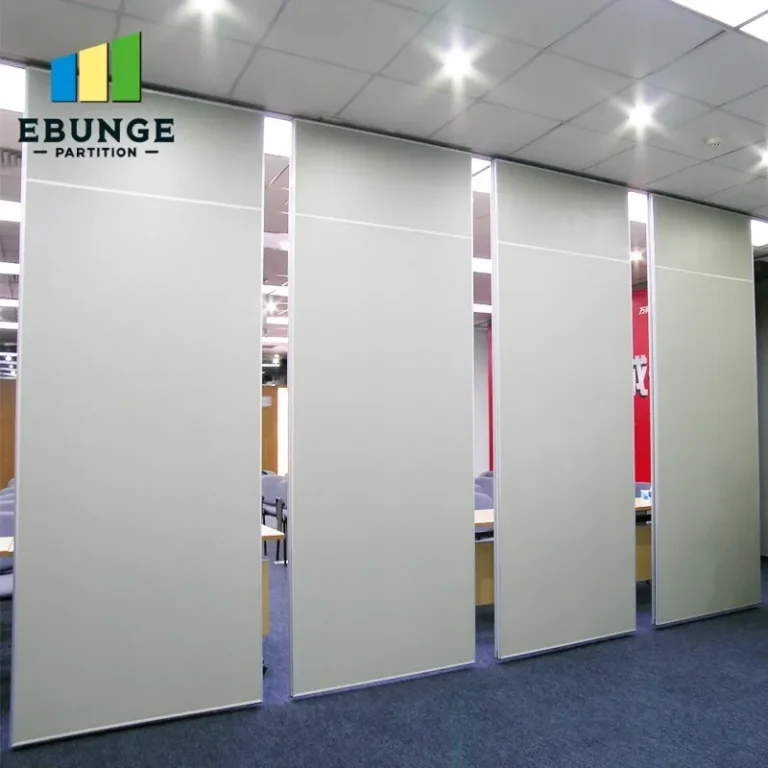
Share the opening, drawings, finish direction, and privacy target for a project-specific review.
Warranty, Support, and After-Sales Service
Ask about warranty terms and after-sales support. A standard warranty for movable walls is typically 1-2 years, but some suppliers offer longer coverage on specific components. Clarify what is covered (e.g., parts, labor) and the process for making claims. Also, inquire about availability of spare parts and technical support after installation.
For overseas clients, ensure that support is accessible via email, phone, or video conferencing. A supplier that is responsive during the sales process is likely to be responsive after the sale.
Comparison Table: What to Look For in a Supplier
| Criteria | Questions to Ask | Why It Matters |
|---|---|---|
| Acoustic performance | What STC rating can you achieve? Do you have test reports? | Ensures sound insulation meets room requirements. |
| Customization | Can you match our finish and size? Do you offer custom features? | Determines design flexibility and aesthetic integration. |
| Cost transparency | Can you provide a detailed cost breakdown? | Helps avoid hidden costs and compare quotes fairly. |
| Delivery schedule | What is the lead time? How do you handle delays? | Affects project timeline and planning. |
| Installation complexity | Do you provide installation drawings? Can you recommend installers? | Ensures proper installation and reduces on-site issues. |
| Warranty and support | What is the warranty period and coverage? How is support provided? | Protects your investment and ensures long-term reliability. |
Checklist for Finalizing Your Supplier Choice
- Technical capability matches your specifications.
- Acoustic performance verified with test data.
- Customization options align with your design.
- Detailed quotation with transparent costs.
- Realistic delivery schedule with contingency.
- Clear installation plan and support.
- Warranty and after-sales service defined.
- References checked and positive.
Use this checklist to objectively compare suppliers and make a confident decision.
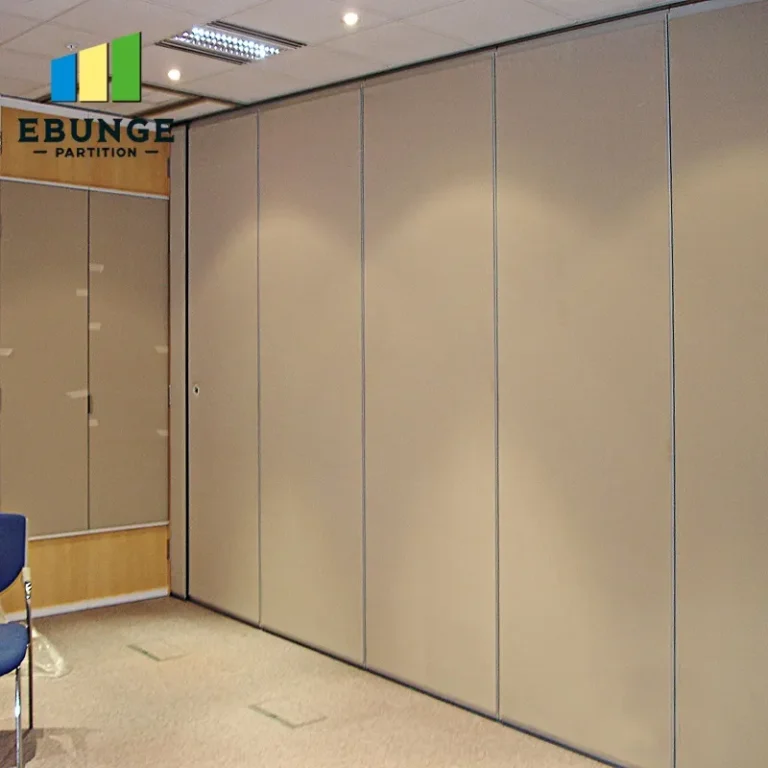
Conclusion: Making the Right Choice for Your Conference Room
Selecting an operable wall system supplier for a conference room is a strategic decision that affects functionality, acoustics, and project success. By thoroughly evaluating suppliers on technical capability, customization, cost transparency, delivery logistics, and support, you can mitigate risks and ensure a smooth process. Remember to provide complete project information in your inquiry to receive accurate proposals. For more insights on movable partition walls and supplier evaluation, explore our movable partition wall resources or browse our blog for industry guidance. If you have a specific project in mind, contact our team to discuss your requirements.
Frequently Asked Questions
What is the typical lead time for an operable wall system?
Lead time varies based on customization and order volume. For standard configurations, it may be 4-6 weeks; for fully custom systems, allow 8-12 weeks or more. Always confirm the exact lead time with your supplier and factor in shipping time.
Can operable walls achieve high acoustic ratings for conference rooms?
Yes, high-performance operable walls can achieve STC ratings of 40-50 or higher, depending on the system and installation quality. Request test reports from the supplier to verify the acoustic performance for your specific configuration.
What is the difference between a top-hung track and a floor-track system?
A top-hung track system supports the weight of the panels from the ceiling, leaving the floor clear of tracks or rails. This is preferred in conference rooms for aesthetic and safety reasons. A floor-track system uses a guide rail on the floor, which may be less desirable.
How do I ensure my supplier can handle overseas delivery?
Ask about their experience with international projects, the shipping methods they use, and whether they handle customs clearance. Request references from clients in your country or region to gauge reliability.
What information should I provide to get an accurate quotation?
Provide the opening dimensions, architectural drawings, acoustic requirements, finish preferences, and the project location. The more detailed your inquiry, the more precise the quotation will be.
Send the opening size and drawings to discuss a differentiated operable wall system supplier solution.