
When planning an exhibition hall, the exhibition movable partition cost is often the first question on a distributor’s mind. But a meaningful budget isn’t just about a price per square meter; it’s about understanding every factor that influences the final quote. This guide is designed to help you navigate the quotation process, ask the right questions, and prepare the information that will lead to accurate, competitive pricing from suppliers.
Direct answer: The exhibition movable partition cost is determined by opening size, acoustic performance requirements, finish selection, track type (top-hung vs. floor-supported), customization level, and logistics. A typical range for a standard top-hung operable wall system for exhibition halls can vary widely, but expect costs per square meter to be higher than for permanent walls due to the engineering and hardware involved. To get a precise quote, you must provide detailed project drawings, opening dimensions, acoustic targets, finish preferences, and installation location.
Exhibition Movable Partition Cost: Understanding the Cost Structure of Exhibition Movable Partitions
Exhibition movable partition costs are not monolithic. They are composed of several distinct elements, each contributing to the total investment. A clear understanding of these components will help you compare quotes fairly and avoid surprises.
The primary cost drivers include the partition panels themselves, the top-hung track system, the suspension hardware, seals, and the installation labor. Additionally, customization – whether it’s a unique size, shape, or finish – will add to the cost. Logistics, including shipping and potential import duties, also factor into the total cost of ownership. Finally, consider the after-sales support and warranty, which can affect long-term value.
Need help turning the exhibition movable partition cost requirements into a practical project layout?
Key Factors Influencing the Cost per Square Meter
When you receive quotes, you’ll notice that the cost per square meter is a common metric. However, this figure can be misleading if you don’t know what’s included. Here are the critical factors that impact that number:
- Panel construction: The core material (e.g., honeycomb, gypsum, or aluminum) and its thickness affect both cost and acoustic performance.
- Acoustic rating: Higher sound insulation (measured in Rw dB) requires more complex seals and heavier panels, increasing cost.
- Surface finish: Standard laminates are more affordable than custom veneers or specialty paints.
- Track system: Top-hung systems without floor rails, like those from EBUNGE, may have different costs compared to floor-supported systems. Top-hung systems often require more robust overhead steel support, which can add to structural costs.
- Number of panels and stacking area: More panels and a larger stacking area mean more hardware and longer tracks.
- Automation: Motorized operation adds convenience but also adds cost.
To get an accurate comparison, ask suppliers for a detailed breakdown of what is included in their per-square-meter price.
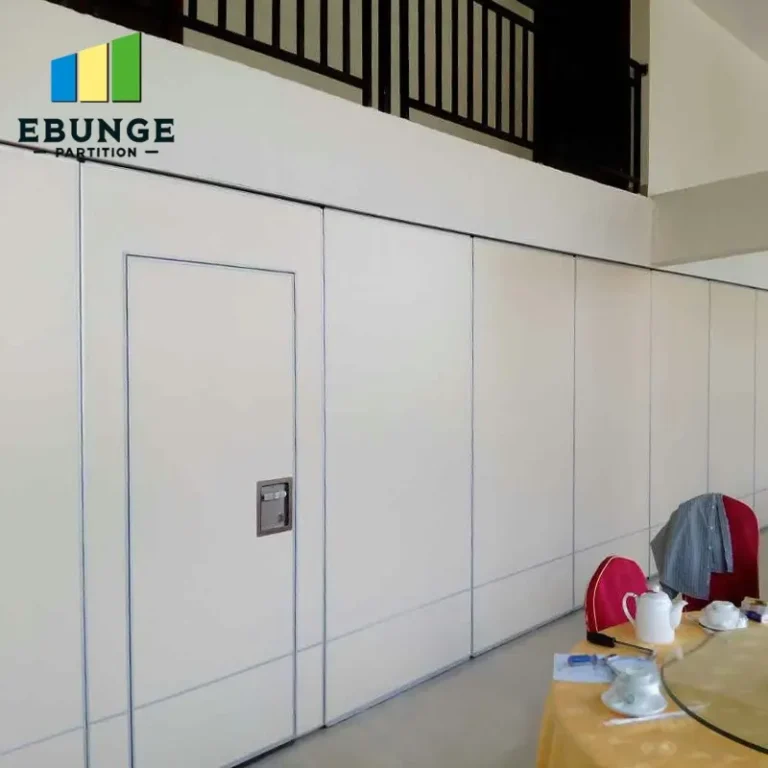
Total Cost of Ownership: Beyond the Initial Quote
For a building material distributor, the exhibition movable partition cost is not just the purchase price. You must consider the total cost of ownership (TCO) over the product’s lifespan. This includes maintenance, repair, and potential replacement parts.
High-quality materials and robust hardware may have a higher upfront cost but can reduce long-term maintenance expenses. Conversely, cheaper options might save money initially but lead to more frequent repairs and downtime. When evaluating quotes, inquire about the expected lifespan of the system and the availability of spare parts. A warranty that covers mechanical parts and labor is a valuable component of TCO.
Installation Time and Labor Costs
Installation is a significant part of the exhibition movable partition cost. The complexity of the installation depends on the site conditions, the height of the partition, and the type of track system. Top-hung systems require precise alignment of the overhead track, which can be labor-intensive.
To get an accurate installation quote, provide the supplier with detailed drawings and site information. Some suppliers offer installation as part of the package, while others recommend approved installers. Clarify whether the quote includes installation labor, and if so, what the scope is (e.g., removal of existing walls, site preparation).
Material Quality vs. Price: Making Informed Trade-offs
In any construction project, there is a balance between material quality and price. For exhibition movable partitions, the key is to match the product to the intended use. If the partition will be moved frequently, invest in higher-grade hardware and wheels. If it’s primarily for occasional use, a standard system may suffice.
Ask suppliers about the materials used in the panels and the track. A reputable supplier will be transparent about the specifications. Avoid making decisions based solely on price; consider the value and performance you need for your specific application.
Customization Cost Impact
Custom movable walls can significantly increase the exhibition movable partition cost. Customization might involve non-standard dimensions, special shapes (e.g., curved panels), integrated doors, or unique finishes. Each custom element requires additional engineering and manufacturing time, which is reflected in the price.
To control costs, standardize as much as possible. If you need custom features, get detailed quotes that specify the additional charges. Sometimes, a slight adjustment to your design can reduce costs without compromising functionality.
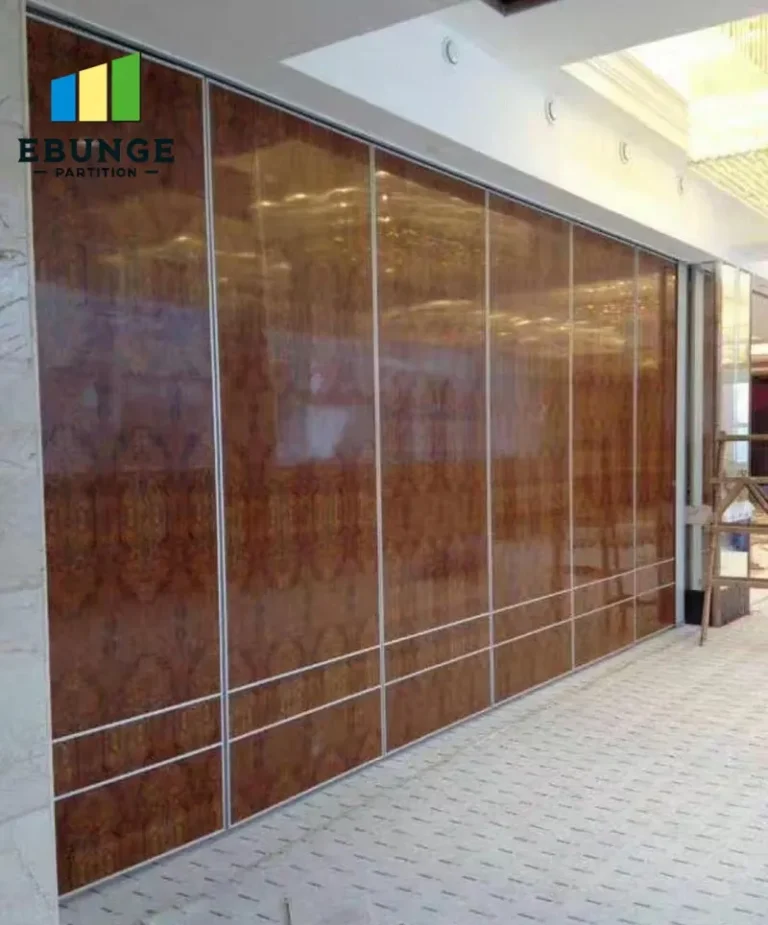
Shipping and Logistics: Hidden Costs to Watch For
Shipping costs can be a substantial part of the total investment, especially for international orders. Factors affecting shipping include the volume and weight of the panels, the distance, and the mode of transport (sea, air, or land). Additionally, there may be customs duties and taxes depending on the destination country.
When comparing quotes, ask suppliers for the Incoterms (e.g., EXW, FOB, CIF) and what is included in the price. A lower quote might exclude shipping, leading to a higher total cost. Also, consider the lead time and the cost of expedited shipping if you have a tight deadline.
Share the opening, drawings, finish direction, and privacy target for a project-specific review.
After-Sales Support and Warranty
Reliable after-sales support is crucial for a movable partition system. Inquire about the warranty period and what it covers: parts, labor, or both. Some suppliers offer extended warranties at an additional cost. Also, ask about the availability of technical support and replacement parts after the warranty expires.
A supplier that stands behind their product with a solid warranty and responsive support can save you money in the long run. For distributors, this is also a selling point to your customers.
Financing Options and Budget Planning
For large projects, financing options can help manage cash flow. Some suppliers offer payment plans or leasing arrangements. While this may increase the total cost due to interest, it can make the project more feasible initially.
When planning your budget, consider not only the partition cost but also the costs of any structural modifications, installation, and potential downtime. A comprehensive budget will help you avoid unexpected expenses.
How to Get Accurate Quotes: Information Suppliers Need
To receive precise and comparable quotes, you must provide suppliers with detailed information. This not only speeds up the quotation process but also ensures that the quotes are accurate and reflect your specific needs.
Here is a checklist of information to gather:
- Opening sizes (width, height, and depth) for each partition
- Architectural drawings (CAD files if possible)
- Acoustic target (e.g., Rw 40 dB, Rw 50 dB)
- Finish preference (e.g., laminate, veneer, paint)
- Project location (for logistics and installation)
- Number of units and stacking configuration
- Any special requirements (e.g., fire rating, soundproofing, automation)
Providing this information upfront will help you get quotes that are truly comparable.
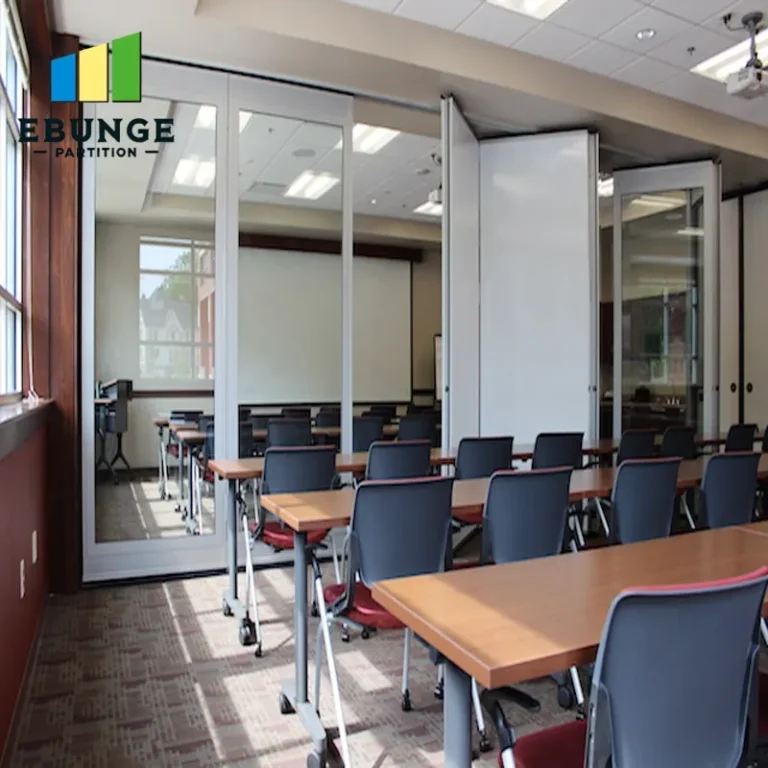
Comparing Quotes: A Practical Checklist
When you receive multiple quotes, use a structured approach to compare them effectively. Here’s a checklist to guide your evaluation:
| Criteria | Supplier A | Supplier B | Supplier C |
|---|---|---|---|
| Price per sqm (included items) | |||
| Acoustic rating offered | |||
| Track system type | |||
| Warranty period and coverage | |||
| Installation included? | |||
| Shipping and Incoterms | |||
| Lead time | |||
| After-sales support |
Using this table will help you identify which supplier offers the best value for your specific needs.
Realistic Budgeting for Exhibition Halls
When budgeting for an exhibition hall, it’s wise to allocate a contingency of 10-15% for unexpected costs. This is especially important for projects involving large movable partitions, where site conditions can vary.
Also, consider the potential for future expansion or reconfiguration. A flexible system might cost more upfront but offer savings in the long run if you need to change the layout.
Conclusion: Making a Confident Decision
Understanding the exhibition movable partition cost is about more than just the initial price. It involves a thorough analysis of specifications, total cost of ownership, and the supplier’s reliability. By gathering the right information and asking the right questions, you can make a confident decision that meets your budget and performance requirements.
Remember, a well-informed buyer is better positioned to negotiate and select a solution that offers long-term value. For more insights on movable partition walls and acoustic solutions, explore our blog and cost category. If you have specific questions, don’t hesitate to contact our team.
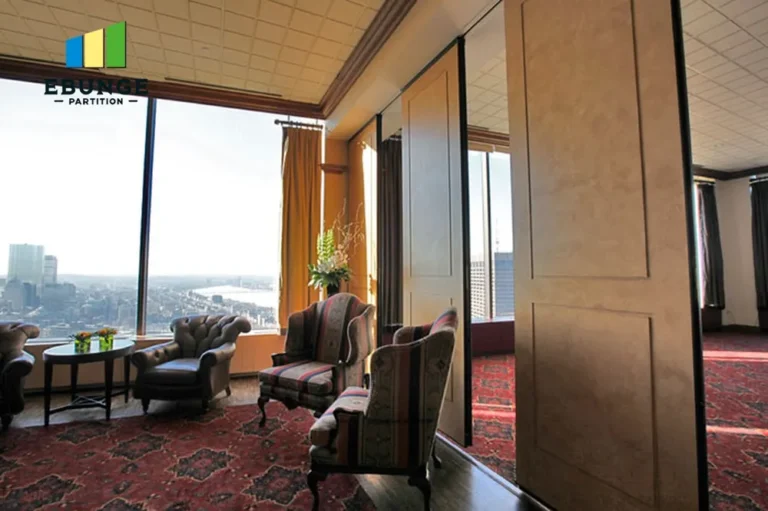
Frequently Asked Questions
What is the average cost per square meter for an exhibition movable partition?
The cost per square meter varies widely based on specifications. A basic operable wall system might start from a certain price, but high-acoustic, custom-finished partitions with top-hung tracks can be significantly higher. Always request a detailed quote based on your exact project requirements.
How does the top-hung track system affect the cost?
Top-hung systems, which do not require a floor rail, are often preferred for aesthetic and accessibility reasons. They require a sturdy overhead support structure, which may add to building costs. However, they can be more cost-effective in the long run due to easier maintenance and no floor track to trip over or collect dirt.
Are there any hidden costs I should be aware of?
Potential hidden costs include shipping, customs duties, installation labor, structural modifications, and additional hardware. Always clarify what is included in the quote and ask about any potential extra charges.
Does a higher acoustic rating always mean higher cost?
Generally, yes. Achieving higher sound insulation requires more advanced panel cores, additional seals, and precise installation, all of which add to the cost. However, the incremental cost may be justified for exhibition halls that host events with varying acoustic needs.
Can I save money by choosing a standard finish instead of a custom one?
Yes, standard laminate finishes are typically more economical than custom veneers or specialty paints. If the aesthetic requirement is not critical, opting for a standard finish can significantly reduce the exhibition movable partition cost.
How can I get a quick and accurate quote?
To get an accurate quote quickly, provide suppliers with detailed information: opening sizes, drawings, acoustic target, finish preference, and project location. This allows them to prepare a precise quotation without back-and-forth clarification.
Send the opening size and drawings to discuss a differentiated exhibition movable partition cost solution.