
When outfitting a community center with flexible spaces, the choice of a community operable wall supplier can determine how well the facility adapts to diverse activities—from town hall meetings to yoga classes. As a buyer, you need a partner who understands the unique demands of public buildings: durability, acoustic control, and ease of operation. This guide helps you evaluate suppliers based on technical rigor, customization support, and reliable overseas delivery, ensuring your investment serves the community for years.
Direct Answer: To choose a reliable community operable wall supplier, focus on their ability to customize top-hung track systems, provide clear technical documentation, and demonstrate experience with community center projects. Prioritize suppliers who offer transparent communication, robust after-sales support, and can deliver within your project timeline.
Community Operable Wall Supplier: Understanding Your Community Center’s Needs
Before contacting suppliers, define your project’s specific requirements. Consider the maximum opening size, ceiling height, and the acoustic target for the space (e.g., STC ratings). Also, think about the frequency of use and whether the wall will need to support integrated doors or glazing. These details become the foundation of your inquiry and help suppliers provide accurate quotations.
For instance, a community center might have a large hall that needs to be divided into two classrooms. The wall must offer sufficient sound insulation to keep activities from disturbing each other. By specifying an acoustic performance target, you enable suppliers to recommend the right panel thickness and sealing systems.
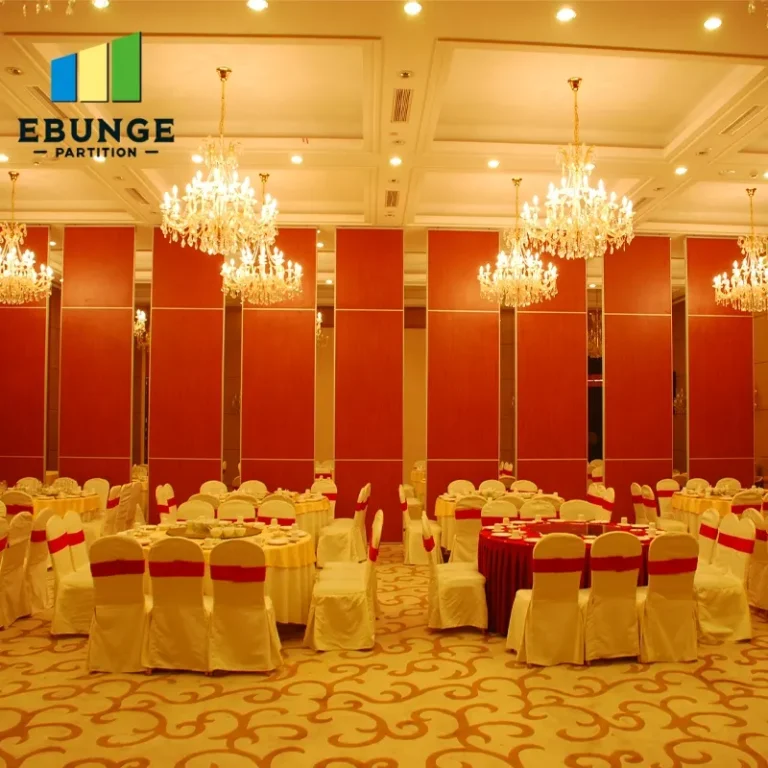
Need help turning the community operable wall supplier requirements into a practical project layout?
Key Criteria for Evaluating Suppliers
Not all operable wall suppliers are equal. Here are critical factors to assess:
- Customization Capability: Can they adapt the wall to your exact dimensions and finish preferences? Look for suppliers who offer custom movable wall solutions.
- Technical Support: Do they provide detailed drawings and installation guidance? A supplier that assists with layout and engineering is invaluable.
- Quality Assurance: Inquire about their manufacturing standards and quality control processes. Ask for reference projects, especially in community or public buildings.
- Acoustic Performance: While we avoid quoting specific numbers, ask for acoustic test data from independent labs. This ensures the wall meets your requirements.
- Safety Compliance: Ensure the wall system complies with local building codes, including fire safety and accessibility standards.
- Delivery and Logistics: For overseas suppliers, evaluate their experience with international shipping, customs clearance, and on-time delivery.
By focusing on these areas, you can filter out suppliers who lack the necessary expertise or reliability.
Preparing a Detailed Inquiry for Quotations
To get accurate quotations, provide suppliers with comprehensive information. Include:
- Opening sizes and layout drawings (in CAD or PDF format).
- Acoustic performance target (if known).
- Finish preferences (e.g., whiteboard surface, tackable surface, or wood veneer).
- Project location and installation timeline.
- Any special requirements like integrated doors or pass doors.
The more details you share, the less room for assumptions and cost overruns. A professional supplier will appreciate your thoroughness and provide a more precise quote.
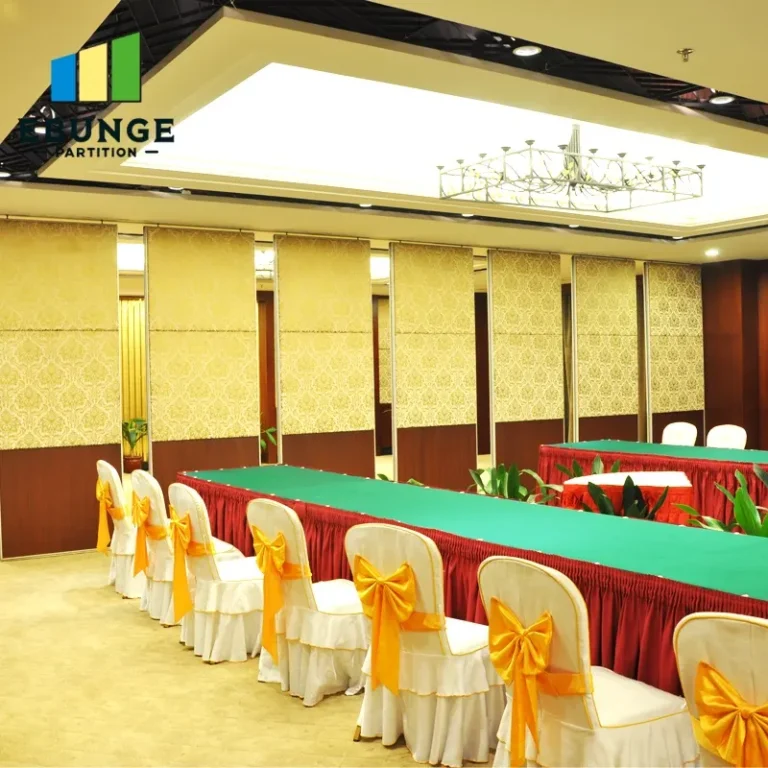
Assessing Supplier Reliability and Support
Supplier reliability is not just about product quality; it’s about their responsiveness and willingness to support you throughout the project. Consider these questions:
- How quickly do they respond to inquiries?
- Do they offer pre-sales technical consultation?
- What is their policy for after-sales support and warranty?
- Can they provide references from similar community center projects?
For overseas suppliers, communication is key. Ensure they have English-speaking staff and are responsive to time zone differences. A reliable supplier will keep you informed at every stage, from production to delivery.
Understanding Installation and Maintenance
Operable wall systems require proper installation to function smoothly. Ask about the installation process and whether the supplier provides detailed instructions or on-site supervision. A top-hung track system, for example, requires precise ceiling reinforcement and alignment.
Maintenance is another consideration. The wall should be easy to operate and require minimal upkeep. Inquire about the durability of components like seals and rollers, and whether spare parts are readily available.
For a community center, where staff may not be technically trained, choose a system that is user-friendly and comes with clear operating manuals.
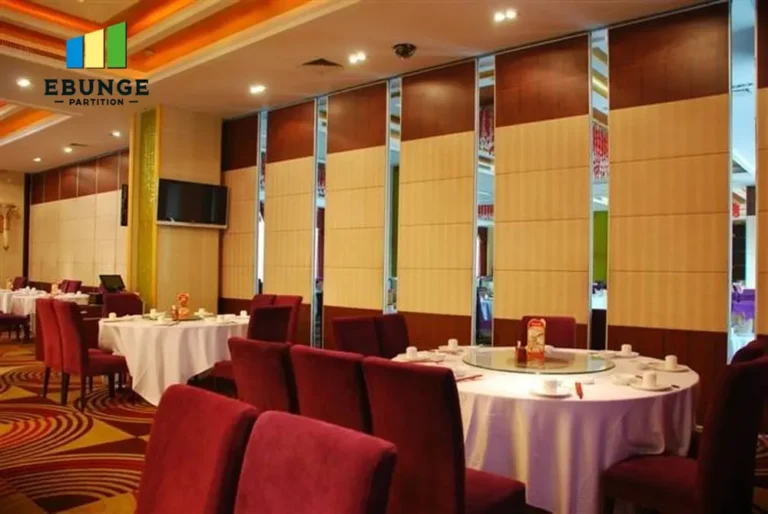
Share the opening, drawings, finish direction, and privacy target for a project-specific review.
Comparing Total Cost of Ownership
Beyond the initial quotation, consider the total cost of ownership. This includes installation, maintenance, and potential energy savings from better insulation. A cheaper upfront price might lead to higher long-term costs if the system requires frequent repairs.
When comparing quotations, ensure they are itemized and cover all components: panels, tracks, seals, hardware, and delivery. Also, check for hidden costs like customs duties or installation fees.
Here’s a comparison table to help you evaluate different suppliers:
| Criteria | Supplier A | Supplier B | Supplier C |
|---|---|---|---|
| Customization options | High | Medium | Low |
| Technical support | Comprehensive | Basic | Limited |
| Acoustic data provided | Yes | Yes | No |
| Delivery timeline | 8 weeks | 10 weeks | 12 weeks |
| Warranty | 2 years | 1 year | 6 months |
Use this table as a template to compare suppliers based on your priorities.
Checklist for Final Selection
Here’s a practical checklist to guide your decision:
- Supplier offers custom sizes and finishes.
- Provides acoustic test reports.
- Complies with safety standards.
- Offers installation guidance.
- Has clear warranty terms.
- Communicates effectively.
- Can meet your delivery deadline.
- Provides references from similar projects.
If a supplier fails on any of these, weigh the importance against your project needs.
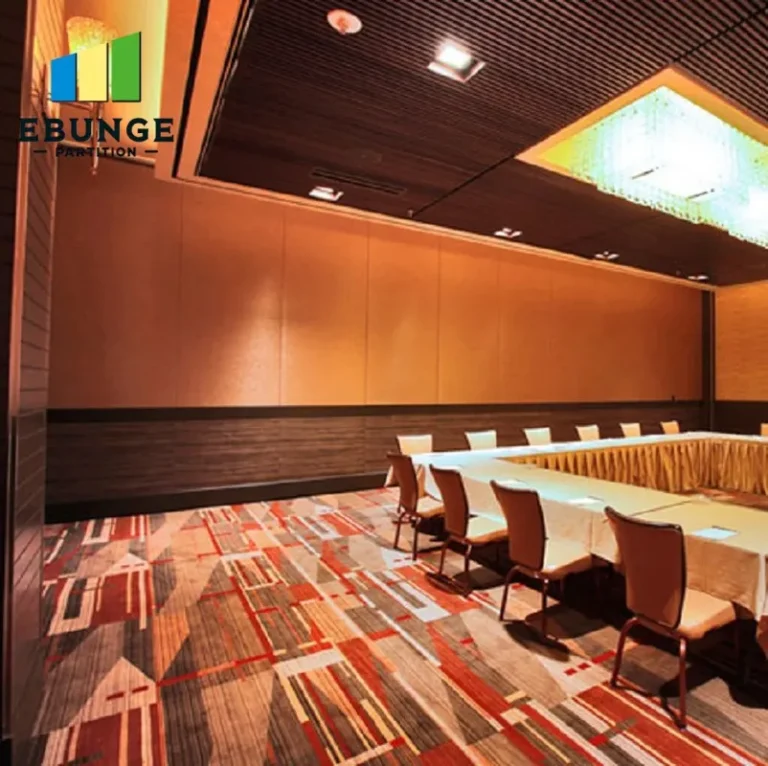
Making the Final Decision
After gathering quotations and evaluating suppliers, trust your due diligence. Choose a partner who not only offers a competitive price but also demonstrates a commitment to quality and support. Remember, the cheapest option is not always the best value.
For more insights on movable partition walls, visit our movable partition wall page. You can also explore our blog for industry trends and tips.
Conclusion
Selecting a community operable wall supplier requires careful consideration of your project’s technical needs, the supplier’s capabilities, and long-term costs. By preparing a detailed inquiry and asking the right questions, you can find a partner who delivers a reliable, high-quality operable wall system that enhances your community center’s flexibility. Remember to share your opening size, drawings, acoustic target, finish preference, and project location to get accurate quotations.
Frequently Asked Questions
1. What information should I provide when requesting a quote for a community operable wall?
Provide opening sizes, layout drawings, acoustic performance target, finish preferences, project location, and desired installation timeline. This helps suppliers give accurate quotations.
2. How do I know if an operable wall supplier is reliable?
Look for suppliers with experience in community projects, transparent communication, and good references. Check their response time and willingness to provide technical support.
3. What are the key technical specifications to consider?
Consider the acoustic performance (e.g., STC rating), panel thickness, track system (top-hung vs. floor-mounted), and door integration options. Also, ensure compliance with local safety codes.
4. How long does delivery typically take for overseas suppliers?
Delivery times vary based on manufacturing and shipping. On average, it can take 8-12 weeks, but confirm with the supplier and factor in potential customs delays.
5. What warranty should I expect from a community operable wall supplier?
Warranties vary, but a standard is 1-2 years. Ensure the warranty covers both parts and labor, and clarify what is excluded.
6. Can the supplier provide installation support for our team?
Many suppliers offer installation manuals and remote guidance. Some may provide on-site supervision for an additional fee. Ask about their support options.
For more detailed guidance on evaluating suppliers, read our article on Movable Partition Manufacturer insights. If you have specific questions, feel free to contact us.
Send the opening size and drawings to discuss a differentiated community operable wall supplier solution.