
When outfitting a training center, the ability to reconfigure space is essential, but the real challenge lies in maintaining acoustic privacy. You need versatile rooms that can host simultaneous sessions without sound leakage, yet you’re uncertain about which acoustic operable walls will truly deliver. As an office renovation company, you must make decisions that balance performance, aesthetics, and budget. This guide will help you evaluate acoustic operable walls for your next training center project, ensuring you ask the right questions and prepare for a successful quotation.
An acoustic operable wall for a training center must provide reliable sound insulation, smooth operation, and design flexibility. To ensure you get the right system, focus on specifying your acoustic target (e.g., STC rating), the opening size, and the finish preferences. Always request a detailed quotation that includes drawings, installation guidance, and manufacturer support. The key is to prioritize verified performance data over marketing claims.
Why Acoustic Operable Walls Are Critical for Training Centers
Training centers are dynamic environments where multiple activities occur simultaneously: lectures, group discussions, role-playing, and presentations. Without proper acoustic separation, these activities interfere with each other, reducing learning effectiveness. Acoustic operable walls offer a flexible solution, allowing you to divide large spaces into smaller, soundproof rooms or open them up for larger gatherings. The acoustic performance of these walls is not just a nice-to-have; it’s a functional necessity that impacts the overall user experience and the value of the space.
When you invest in a movable partition wall, you’re not just buying a physical divider; you’re buying the ability to control sound. This is especially important in training centers where confidentiality and focus are paramount. For instance, a sales training session might require absolute privacy, while a team-building workshop might benefit from an open layout. Acoustic partition solutions enable this versatility without compromising on sound quality.
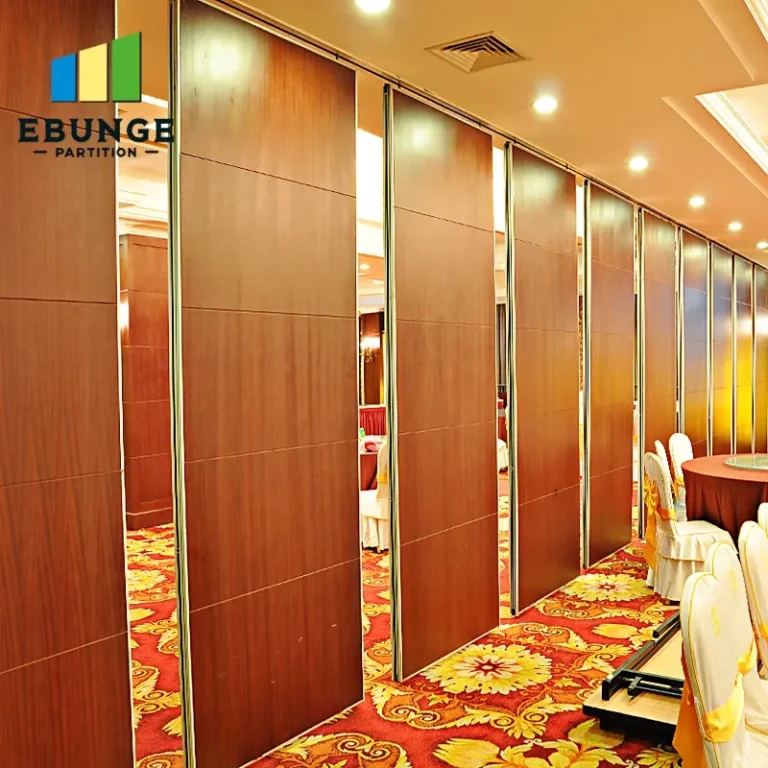
Need help turning the acoustic operable walls requirements into a practical project layout?
Understanding Acoustic Performance: STC and Beyond
The most common metric for sound insulation is the Sound Transmission Class (STC) rating. A higher STC indicates better soundproofing. For training centers, an STC of 45-50 is often recommended, as it blocks loud speech and most office noise. However, STC alone doesn’t tell the whole story. You also need to consider the wall’s ability to block low-frequency sounds, like the hum of HVAC systems or the bass from AV equipment. This is where the wall’s construction, seals, and mass come into play.
When discussing your project with an acoustic operable walls supplier, ask for the test data that supports the STC rating. Inquire about the specific frequency range and whether the rating is based on a single wall or a system with flanking paths. Remember, a wall is only as good as its weakest point—often the perimeter seals. Ensure the supplier can provide details on the sealing system and how it maintains performance over time.
Flanking Sound and Perimeter Seals
Sound can travel around the wall through gaps, ceiling plenums, or floor tracks. For a top-hung track system without a floor rail, the bottom seal is crucial. It must automatically drop to close the gap between the wall and the floor. Ask about the seal’s material and its durability. Also, check if the wall has acoustic seals at the top and sides. A well-designed operable wall system will include multiple compression seals that create a tight barrier.
Key Considerations for Training Center Applications
Beyond acoustics, you must evaluate how the wall will function in your specific training center. Here are some critical factors:
- Ease of Operation: Staff will be moving walls frequently. Look for a system that is easy to operate, with smooth tracking and minimal effort. Electric or motorized options can be beneficial for larger panels.
- Durability: Training centers see heavy foot traffic and frequent wall movement. Choose materials that resist dents, scratches, and wear. The track system should be robust and require minimal maintenance.
- Aesthetic Appeal: The walls should complement your interior design. Many suppliers offer a range of finishes, from tackable surfaces to writable panels, which are ideal for collaborative spaces.
- Space Optimization: When not in use, the walls should stack compactly to maximize open space. Consider the stacking area and how it integrates with the room layout.
- Installation Time: Downtime during installation can disrupt training operations. Ask about the estimated installation time and whether it can be done outside of business hours.
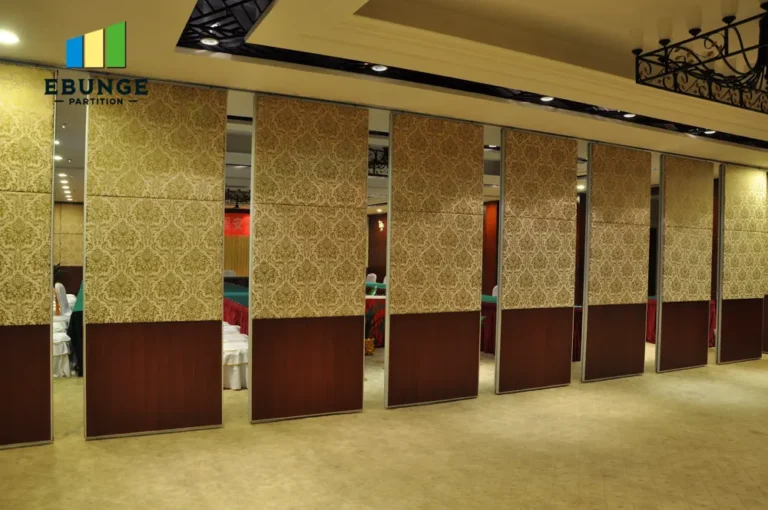
Compliance and Building Codes
Your operable wall system must meet local building codes and regulations. This includes fire safety, accessibility, and structural requirements. Ensure the supplier can provide documentation that the wall complies with relevant standards. For example, in many regions, operable walls must have a fire-resistance rating if they are part of a fire-rated assembly. Also, consider the wall’s impact on HVAC and sprinkler systems. A well-integrated design will account for these factors.
When requesting a quotation, ask whether the supplier handles code compliance or if you need to coordinate with your architect. It’s also wise to verify that the wall’s design does not compromise the building’s structural integrity, especially when suspending heavy panels from the ceiling.
Evaluating Supplier Support and Long-Term Reliability
The quality of the supplier is as important as the product itself. A reputable acoustic operable walls supplier will offer comprehensive support, from initial consultation to after-sales service. Ask about the warranty terms and what they cover. Also, inquire about the availability of spare parts and the supplier’s response time for maintenance requests. A reliable partner will help you extend the life of your investment.
During the quotation process, clarify the scope of supply: does it include delivery, installation, and commissioning? Are there any hidden costs? A transparent quotation will list all components, including tracks, panels, seals, and hardware. Also, ask about the lead time and whether the supplier can meet your project schedule.
Share the opening, drawings, finish direction, and privacy target for a project-specific review.
Cost-Effectiveness: Beyond the Initial Price
While cost is a significant factor, it’s essential to consider the total cost of ownership. A cheaper wall might save money upfront but could require frequent repairs or fail to meet acoustic expectations. Evaluate the wall’s insulation properties, energy efficiency, and maintenance needs. A well-built acoustic partition solution can also contribute to energy savings by providing an additional thermal barrier.
When comparing quotes, don’t just look at the bottom line. Consider the value added: technical expertise, project management, and after-sales support. An experienced supplier will help you avoid costly mistakes and ensure the wall performs as expected. Remember, the cheapest option is not always the most cost-effective in the long run.
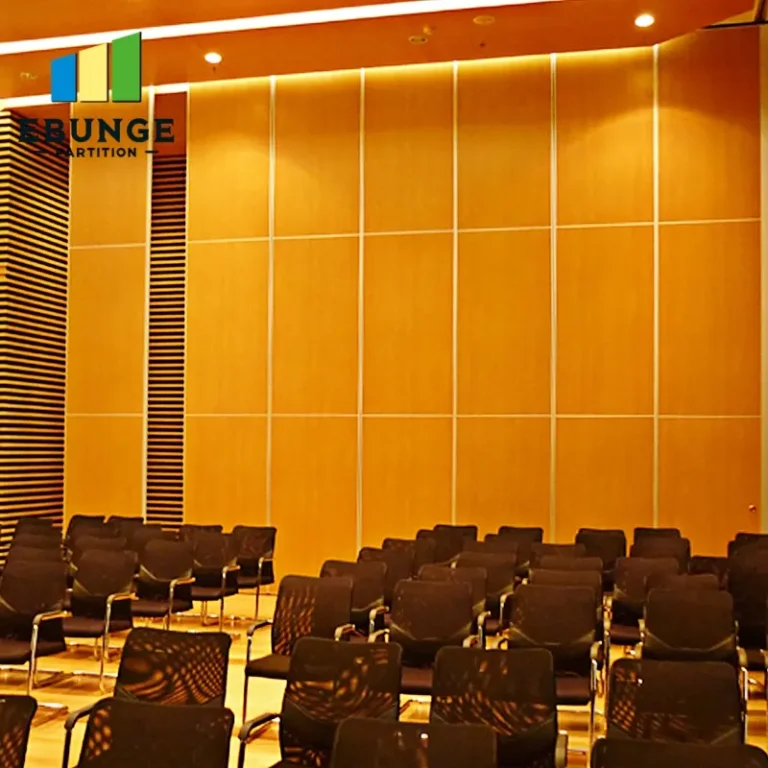
Preparing for Your Quotation: Information to Share
To get an accurate quotation, you need to provide the supplier with specific details about your project. The more information you share, the better the supplier can tailor their solution to your needs. Here’s a checklist of what to include:
| Information Needed | Why It Matters |
|---|---|
| Opening size (width, height, depth) | Determines panel dimensions and weight, affecting track and hardware design. |
| Acoustic target (e.g., STC 45) | Ensures the wall meets your soundproofing requirements. |
| Finish preferences (e.g., tackable, writable, wood veneer) | Affects aesthetics and functionality. |
| Project location | Impacts building codes, delivery logistics, and installation costs. |
| Drawings or floor plans | Allows supplier to assess structural integration and stacking options. |
By providing these details upfront, you streamline the quotation process and receive a more accurate proposal. It also demonstrates that you are a serious buyer, which can lead to better service and pricing.
Making the Final Decision: A Practical Checklist
To help you evaluate offers and make an informed choice, use this checklist:
- Verified acoustic performance data (STC and frequency response)
- Compliance with local building codes and fire safety standards
- Durable materials and construction
- Ease of operation and maintenance
- Space-saving stacking design
- Finish options that match your interior
- Transparent quotation with detailed specifications
- Manufacturer support and warranty terms
- Reasonable lead time and installation schedule
- References or case studies (if available)
If a supplier hesitates to provide test data or clear answers, consider that a red flag. A reputable manufacturer will be transparent about their product’s capabilities.
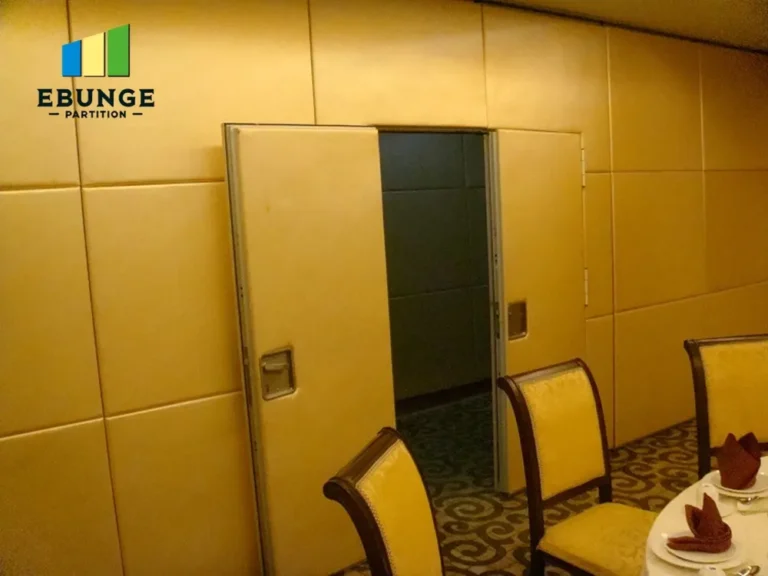
Conclusion: Partnering for Success
Selecting the right acoustic operable walls for your training center is a strategic decision that affects functionality, aesthetics, and budget. By focusing on verified acoustic performance, understanding your specific needs, and preparing thoroughly for the quotation, you can ensure a successful project. Partner with a supplier who offers expert guidance and reliable support. Remember, the goal is not just to divide space but to create an environment that enhances learning and collaboration.
To explore more about movable partition walls and acoustic partition solutions, visit our movable partition wall page and blog for insights. For project-specific inquiries, contact our team to discuss your requirements.
Frequently Asked Questions
What STC rating do I need for a training center?
For training centers, an STC of 45-50 is typically recommended to block loud speech and common office noise. However, your specific needs may vary based on the types of activities and the level of privacy required. Consult with your supplier to determine the optimal rating.
Can acoustic operable walls be customized to match my interior design?
Yes, most suppliers offer a range of finishes, including tackable, writable, and various veneers. You can also choose panel sizes and configurations to suit your space. Discuss your design preferences with the supplier during the quotation phase.
How long does installation take for an operable wall system?
Installation time varies based on the project’s complexity, wall size, and site conditions. A simple installation might take a few days, while larger or more intricate systems could take weeks. Ask your supplier for an estimated timeline.
What maintenance is required for acoustic operable walls?
Regular maintenance includes checking and cleaning the tracks, inspecting seals for wear, and ensuring panels operate smoothly. Most systems require minimal upkeep, but it’s essential to follow the manufacturer’s recommendations to ensure longevity.
Are operable walls compliant with fire safety regulations?
Many operable walls are available with fire-resistance ratings. It’s crucial to specify your fire safety requirements and ensure the wall meets local building codes. Your supplier should provide documentation of compliance.
Send the opening size and drawings to discuss a differentiated acoustic operable walls solution.