
How Architects Can Run a Track Zone Interface Query Triage Board
Quick answer: track zone
An architect track zone interface query triage board is a simple coordination device: a single, visible register where every open question about the overhead track zone is captured, sorted by who can answer it, and tracked until it is closed against a drawing. It is not a performance document and it does not replace engineering review. Its value is that it stops track zone questions from being answered informally in corridors, emails or site chats where the answer cannot be traced later.
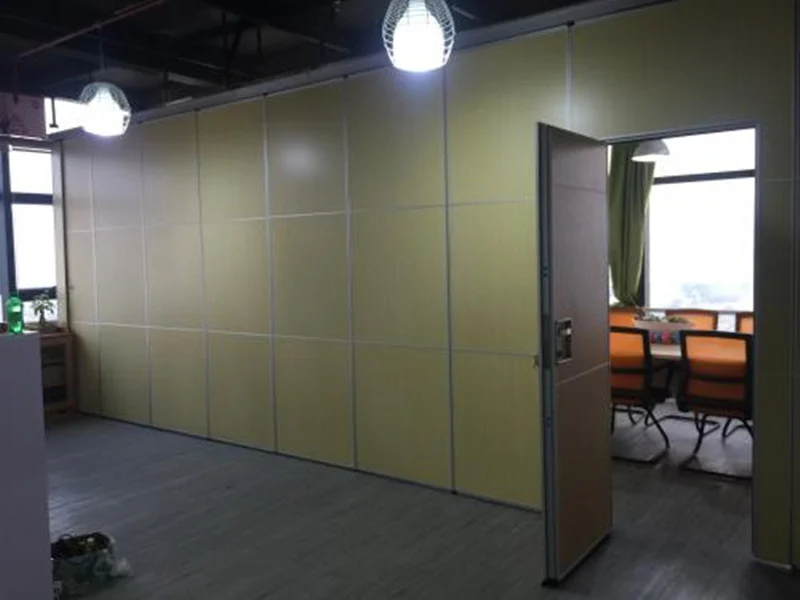
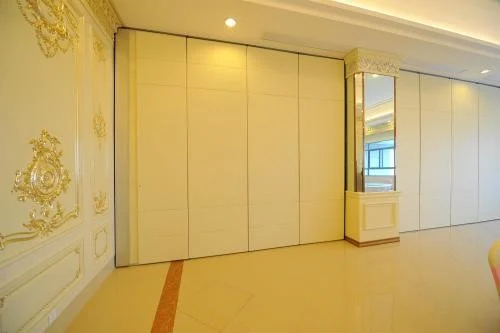
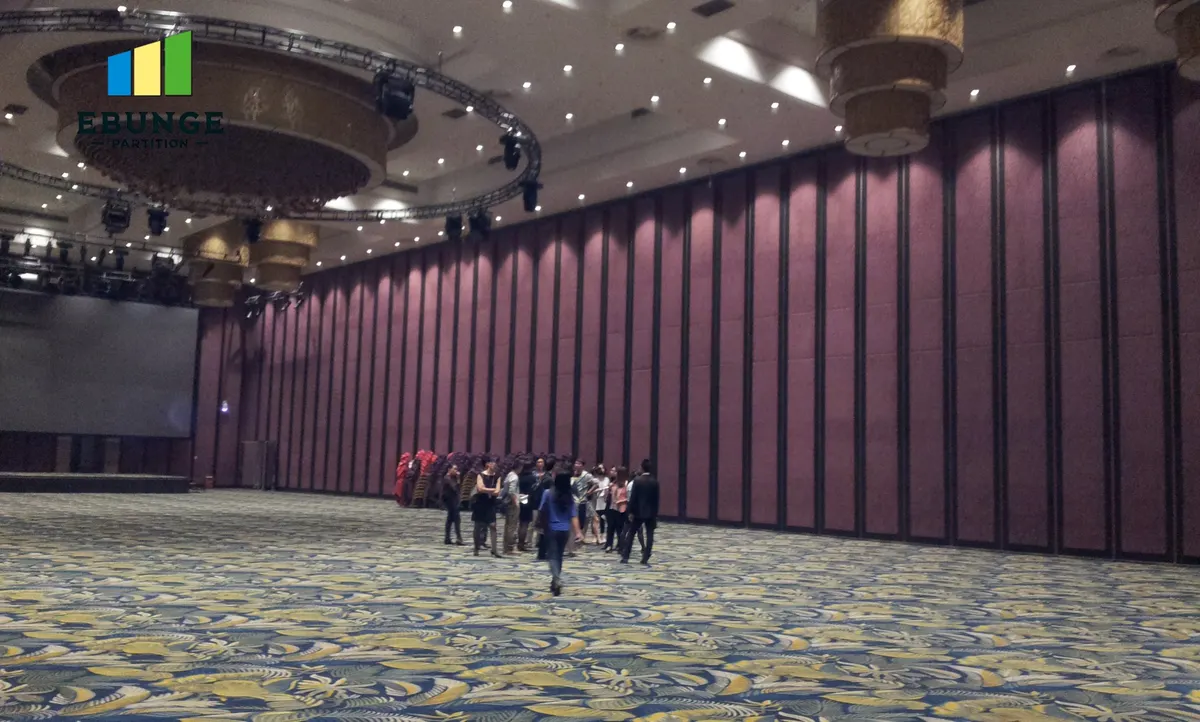
Movable wall panels are individually movable, suspended from a top track, cross the opening without a floor track, and park at a planned stacking position. That single sentence generates most of the interface queries architects face: where the track runs, how it turns, where panels stack, and what happens at every junction with structure, ceiling, services and finishes. The triage board exists to keep those questions visible and correctly routed. Start from the maintained product context on the movable walls page and treat every project-specific answer as something to be confirmed on drawings.
Why a Triage Board Beats an Open Query List
The suitability of each route and parking arrangement depends on the approved layout, circulation, ceiling interfaces and operating sequence. That mixing is where coordination slows down.
It also creates a defensible record. When a query is closed, the board should show what closed it: a revised drawing, a confirmed layout, or a written clarification. If the only evidence is a verbal assurance, the query stays open. This discipline matters most on renovation projects, where existing structure and ceiling conditions are often only partly known at design stage.
The Four Triage Buckets
Sort every track zone query into one of four buckets. The bucket determines who owns the next action, not who is at fault.
| Bucket | Typical query | Closes when |
|---|---|---|
| Layout and route | Does the straight, turning or stacking route work with the room geometry? | The route is drawn and reviewed against the layout |
| Support and structure | What carries the top track at this junction? | Project-specific structural review is documented |
| Acoustic and seals | What acoustic intent applies at this interface? | The project acoustic requirement is stated and reviewed |
| Finish and access | Which approved finish applies, and is a pass-door needed? | Finish and pass-door requirements are confirmed |
Keep the buckets stable across the project. Renaming them mid-stage breaks the audit trail and makes it harder to compare query patterns between phases.
Running the Board Through Design Stages
Stage one: capture before you resolve
In early design, capture queries without trying to answer them. Ask the team to log every point where the track route meets a wall, column, ceiling change, service zone or finish transition. Volume is useful at this stage; premature answers are not.
Stage two: route each query to an owner
Assign one named owner per query and one required evidence type. A route query needs a drawing. An acoustic query needs the stated project requirement, not a remembered conversation. Where the evidence does not exist yet, the query stays open and the board shows the dependency.
Stage three: close against drawings
Close queries only when the evidence is attached and the relevant drawing has been updated. A useful habit is to record the drawing number and revision beside each closure. This turns the board into a coordination history that survives staff changes.
What the Board Must Never Claim
The board records decisions; it does not generate performance. The exact route, junction arrangement, continuous overhead path and parking position must be confirmed from the coordinated project drawings. Visible geometry, a finish sample or a similar past layout is not evidence of hidden performance.
Evidence note: Acoustic ratings such as STC or Rw are single-number descriptors used in project specifications. They are not a count of decibels and they do not describe every frequency or every junction condition. Treat any acoustic figure as a project-specific requirement to be confirmed, never as something inferred from a drawing or a finish choice.
Two further boundaries are worth printing on the board itself. Second, parking style is customized to the layout, so stacking positions must be drawn and confirmed rather than assumed. The resources section is a sensible place to point team members who need the wider planning context.
A Short Checklist for Each Board Review
- Is every open query assigned to one bucket and one owner?
- Does each query state the evidence type required to close it?
- Are straight, turning and stacking routes shown on the current layout?
- Are track junctions with structure, ceiling and services identified?
- Are finish selections limited to confirmed options such as laminate, melamine, fabric, leather, glass or other approved surfaces?
- Are pass-door requirements recorded where access through the partition line is needed?
- Has any query been closed on verbal assurance alone?
Run this checklist at each coordination meeting. It takes minutes and prevents the most common failure: a query marked closed because everyone remembers agreeing, with no drawing to show what was agreed.
Coordinating Across Disciplines
Track zone queries rarely belong to one discipline. The board should show these handoffs explicitly so that a query does not sit in a shared inbox waiting for someone to notice it.
For overseas projects, add a time-zone column or a review cadence note. A query that needs a drawing response from another country should carry a date by which the response is expected, so silence becomes visible rather than invisible.
Frequently Asked Questions
What is an architect track zone interface query triage board?
It is a coordination register that captures every open question about the overhead track zone, sorts each query by the evidence needed to close it, assigns an owner, and records the drawing or confirmation that closed it.
Does the board replace engineering or acoustic review?
No. It routes questions to the right reviewer and records the outcome.
Which queries belong in the layout and route bucket?
Anything about how panels travel: the straight run, turning sections, and the planned stacking position. These close when the route is drawn and reviewed against the room layout.
Can a query be closed with a verbal confirmation?
It should not be. Close a query only when the evidence type recorded for it exists, such as a revised drawing or a written clarification, and note the drawing revision beside the closure.
How should finish and pass-door questions be handled?
Record the confirmed finish option and whether a pass-door is required, then confirm both against the project specification.
When should the board be introduced?
As early as the first layout review, and maintained through construction documentation. Early capture prevents informal answers from becoming assumed facts later in the project.
Conclusion
A triage board works because it separates questions by evidence rather than by urgency. Panel handling and the operating sequence must be confirmed for the selected layout and project conditions. Keep the board honest: if the evidence is not there, the query stays open, and the drawing gets revised before anyone treats the matter as settled.
The exact overhead route and support arrangement must be confirmed by the responsible project team from coordinated drawings. To discuss pass-door requirements, finish options or project documentation for your layout, contact the EBUNGE team.