
Quick answer: track zone interface freeze before
Review focus: track zone interface freeze before.
An architect track zone interface freeze before tender is the point where the overhead route, ceiling zone and stacking position stop moving in the drawings. Freeze it too early and later coordination becomes a variation; freeze it too late and tender documents carry unresolved interfaces. This guide sets out a sequence that keeps the freeze tied to maintained product facts, visible drawing evidence and project-specific confirmation.
What the Track Zone Interface Actually Contains
Project review term: track zone interface freeze before.
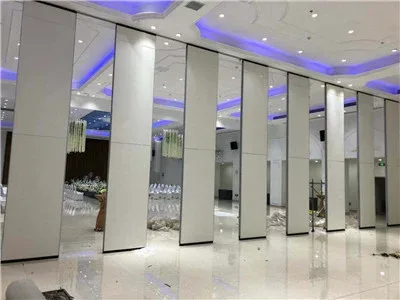
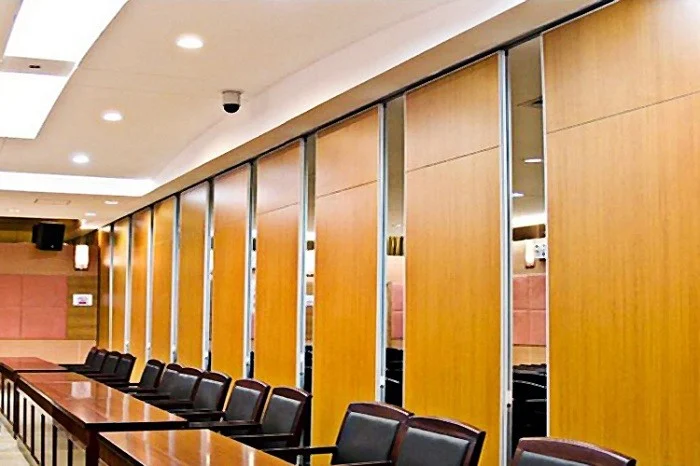
Movable wall panels are individually movable and suspended from a top track. They cross the opening without a floor track and park at a planned stacking position. That single sentence carries most of the interface risk an architect must manage before tender.
The track zone is not only the line above the opening. The suitability of each route and parking arrangement depends on the approved layout, circulation, ceiling interfaces and operating sequence. Straight, turning and stacking routes are reviewed from the layout, so the freeze must be based on the coordinated plan rather than a generic detail.
Why the Freeze Point Matters More Than the Freeze Date
Coordination scope: track zone interface freeze before.
A calendar date alone is weak. What matters is which decisions are mature when the freeze is applied. If the ceiling zone is still being value-engineered, or the stacking position is still being tested against door swings and furniture layouts, the freeze is premature.
Equally, a freeze that waits for every finish decision can stall the tender. The practical answer is to separate decisions that must be frozen from decisions that can remain open. The exact route, junction arrangement, continuous overhead path and parking position must be confirmed from the coordinated project drawings. Surface finish selection can often remain open longer, because confirmed finish options include laminate, melamine, fabric, leather, glass and other approved surfaces.
A Numbered Sequence for Timing the Freeze
Checklist focus: track zone interface freeze before.
- Confirm the room-use brief. Establish how the space must divide, combine or reconfigure, and which openings are involved.
- Draw the full movement route. Show the straight run, any turning condition and the planned stacking position on the same coordinated plan.
- Check route continuity. Every proposed movement path requires a continuous connected overhead route.
- Identify the zone that receives the suspension and flag it for project-specific support review.
- Resolve pass-door requirements. Pass-door requirements can be discussed with the supplier and recorded before the freeze.
- Issue the frozen interface drawing. Mark the track zone, route and stacking position as frozen, with a clear note on what remains open.
- Log the confirmation boundary. The exact overhead route and support arrangement must be confirmed by the responsible project team from coordinated drawings.
Drawing Checks Before You Call the Freeze
Review focus: track zone interface freeze before.
Use a short checklist rather than memory. It keeps the review repeatable across rooms and across team changes.
- Is the opening shown with its full clear width and the adjacent wall or column conditions?
- Is the stacking position drawn to scale, including the space the parked panels occupy?
- Is the overhead route continuous between the opening and the stacking position?
- Is the ceiling zone coordinated with lighting, diffusers, sprinklers and other services?
- Is the support condition flagged for project-specific review rather than assumed?
- Are pass-door requirements recorded where they apply?
- Is the finish direction noted without treating a finish as evidence of performance?
Evidence Boundaries to State in the Tender Package
Tender documents are stronger when they say what is not yet proven. Visible references can support layout discussion but do not verify hidden construction or performance.
If acoustic separation is a project requirement, it must be confirmed against the specific assembly, the surrounding construction and the project conditions.
Evidence note: this article describes coordination timing only. It does not establish support capacity, acoustic performance, dimensions, loads or any commercial outcome. Those items require project-specific confirmation.
Where the Freeze Sits in the Wider Coordination Programme
Before the freeze
The layout should be stable enough to review straight, turning and stacking routes. If the layout is still changing weekly, the freeze will not hold.
At the freeze
Issue the interface drawing, the checklist results and the confirmation boundary together. This gives tenderers one consistent basis.
After the freeze
Changes to the ceiling zone, stacking position or route should be treated as interface changes, not as minor drafting edits. Review them against the same checklist.
Common Timing Mistakes and How to Avoid Them
One frequent mistake is freezing the track line while leaving the stacking position undefined. Another is assuming the ceiling zone can absorb the suspension without a project-specific support review.
A useful discipline is to keep a single interface register. Record the frozen items, the open items and the person responsible for each confirmation. When the tender package is issued, the register shows exactly which decisions are settled and which remain subject to project-specific review.
Frequently Asked Questions
When should the track zone interface be frozen before tender?
Freeze it once the movement route, stacking position and ceiling zone are coordinated on the same drawing, and before the tender package is issued. The exact date depends on the project programme.
Does the freeze require a floor track?
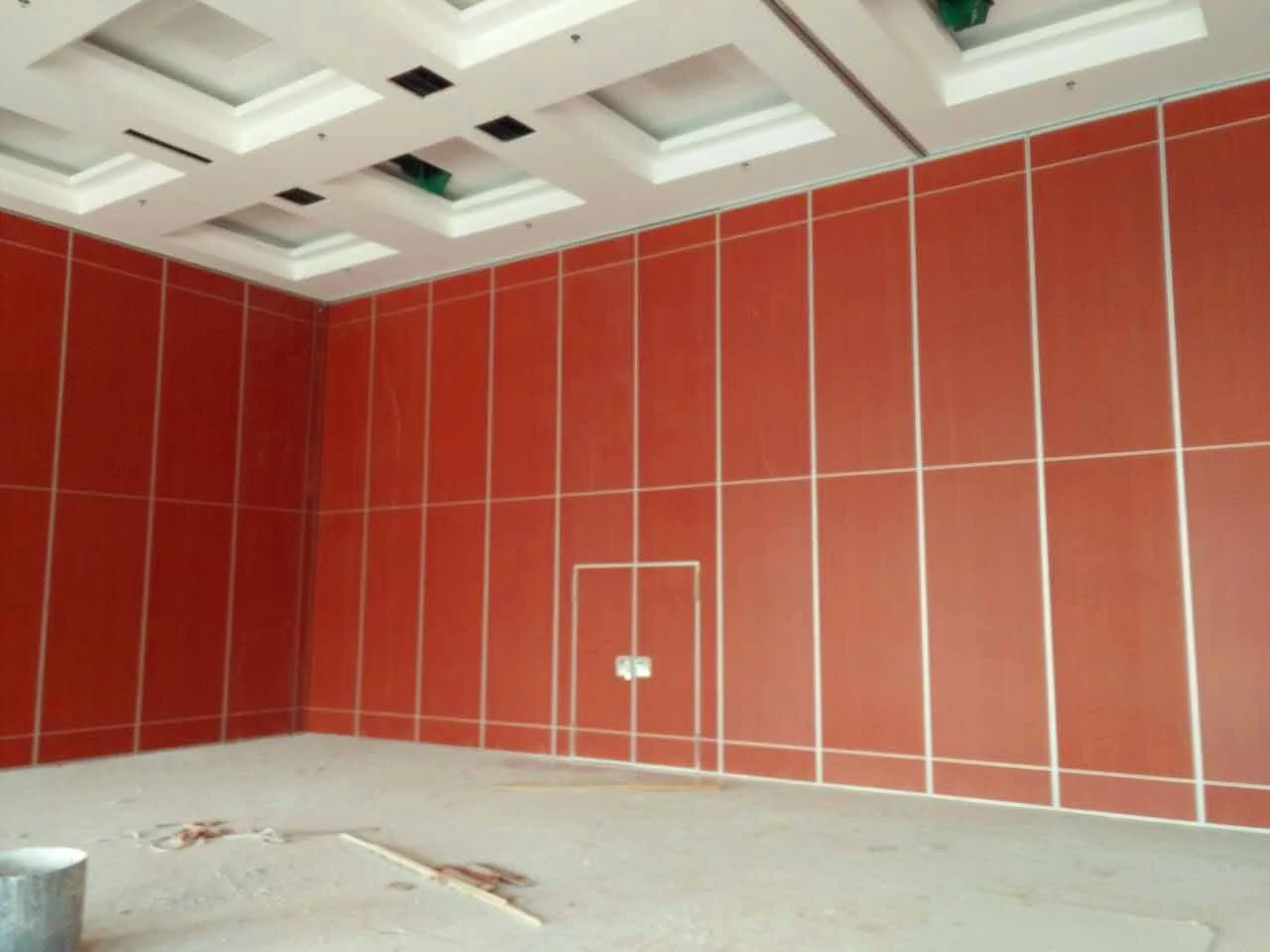
No. EBUNGE movable partition panels are top-hung and move without a continuous floor running track or floor hardware along the partition line.
Can the finish selection stay open after the freeze?
Often yes. Confirmed finish options include laminate, melamine, fabric, leather, glass and other approved surfaces. Confirm the finish schedule with the project team.
What must be confirmed for the support condition?
Support requirements are project-specific.
How should acoustic requirements be handled at tender?
State the requirement and confirm it against the specific assembly and surrounding construction.
Can pass doors be included?
Pass-door requirements can be discussed with the supplier and recorded before the freeze so the tender documents reflect the intended arrangement.
Conclusion and Next Step
Timing the architect track zone interface freeze before tender is less about a single date and more about a disciplined sequence: confirm the route, coordinate the ceiling zone, record the stacking position and state the confirmation boundary. That approach keeps the tender package honest and reduces avoidable interface changes later.
Review the movable wall systems and the supporting planning resources, then contact the team to discuss pass-door requirements, project documentation and the specific support, acoustic and dimensional confirmations your project needs.