
How Architects Can Set a Track Zone Coordination Freeze Date
Quick answer: track zone coordination freeze date
Review focus: track zone coordination freeze date.
An architect track zone coordination freeze date is the point in the programme after which the overhead route, support interface and stacking position for a movable wall are treated as fixed for coordination purposes. It is not a construction milestone and it is not a performance guarantee. It is a documentation decision: from that date, other trades design and install against one agreed set of drawings rather than a moving target.
The suitability of each route and parking arrangement depends on the approved layout, circulation, ceiling interfaces and operating sequence. That overlap is why the freeze date matters more than the panel specification alone. This article sets out a defensible way to choose and hold that date.
Why the Track Zone Deserves Its Own Freeze Date
Project review term: track zone coordination freeze date.
Most coordination freezes cover a discipline, such as structure or MEP. A track zone freeze is narrower and more useful: it fixes the geometry that the movable wall depends on. The panels cross the opening without a floor track and park at a planned stacking position, so the overhead route must be continuous and connected wherever the panels are intended to travel.
If the route, the support interface or the parking zone changes after other trades have set out their work, the drawings no longer describe one building. A separate freeze date gives the project a clean moment to reconcile those drawings before site work locks them in.
What the freeze date does and does not cover
Those remain project-specific matters requiring their own review and evidence.
Information to Gather Before You Set the Date
Coordination scope: track zone coordination freeze date.
Setting a date before the inputs exist produces a freeze that cannot be honoured. Work through the following before proposing a date to the project team.
- Layout drawings showing every intended straight, turning and stacking route, including how panels reach the parking position.
- The planned parking position and the space it occupies when panels are stacked.
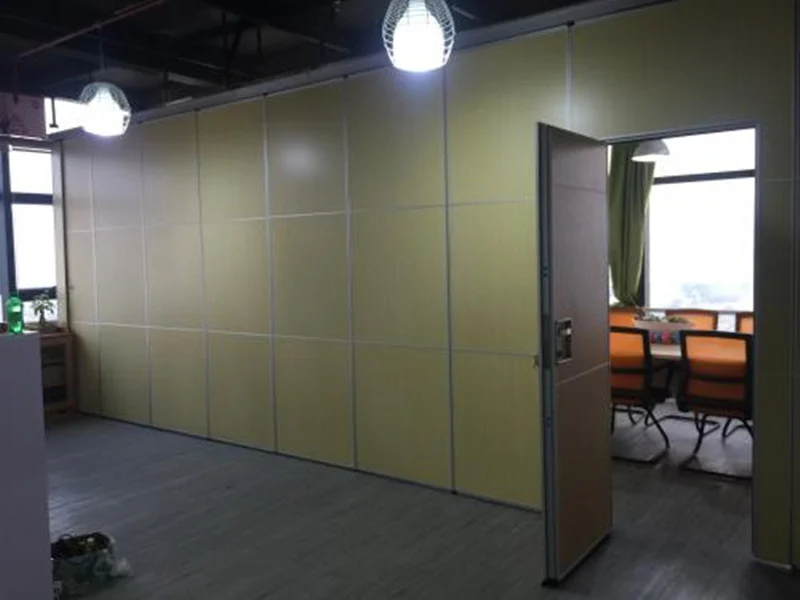
- Pass-door requirements, if the layout needs a door within the panel run.
- Finish selections from the confirmed options, so the visible interfaces are known.
- Named responsibilities for who confirms support, who sets out the track and who signs off the coordinated drawing.
Treat routes as a design question, not a default
Straight, turning and stacking routes are reviewed from the layout. A route that looks simple in plan may cross a ceiling zone owned by another trade. The freeze date should follow that review, not precede it.
A Six-Step Process for Choosing the Date
Checklist focus: track zone coordination freeze date.
- Issue a track zone request.
- Review the routes. Walk each straight, turning and stacking route against the other drawings and record conflicts.
- Resolve open items. Confirm pass-door needs, finish choices and the parking position before the date is proposed.
- Propose the date with a defined scope. State exactly which drawings and decisions are frozen, and which are not.
- Circulate for written acceptance. Each affected trade should confirm it will design and install to the frozen set.
- Log changes after the freeze. Any later change should be recorded, reviewed and re-issued rather than absorbed informally.
Steps two and three are where most value is created. A freeze date that arrives before the route review simply formalises an unexamined drawing.
Drawing Review Checklist for the Freeze Package
| Check | What to confirm | Evidence to hold |
|---|---|---|
| Route continuity | Every intended movement path has a continuous connected overhead route | Marked-up layout drawing |
| Parking position | Stacking location is drawn and coordinated with adjacent work | Plan and section detail |
| Support interface | Responsibility for support review is named and accepted | Written confirmation from the responsible party |
| Ceiling coordination | Track zone does not conflict with other ceiling services | Overlay drawing at matching scale |
| Pass doors | Requirements identified and discussed | Recorded decision |
| Finishes | Selections drawn from confirmed options | Finish schedule reference |
The table is a coordination tool, not a compliance certificate. Each row should point to a document that exists, not to an assumption.
Writing the Freeze Note So It Holds
A freeze note should be short enough to read and specific enough to enforce. Name the drawing numbers and revisions being frozen. State the date and the scope. List the decisions included, such as the parking position and pass-door arrangement.
Handling late changes
Late changes are normal. What matters is that they are visible. A change register that records the request, the reviewer, the decision and the re-issued drawing keeps the freeze meaningful without pretending the design is static.
Where the Freeze Date Meets Procurement
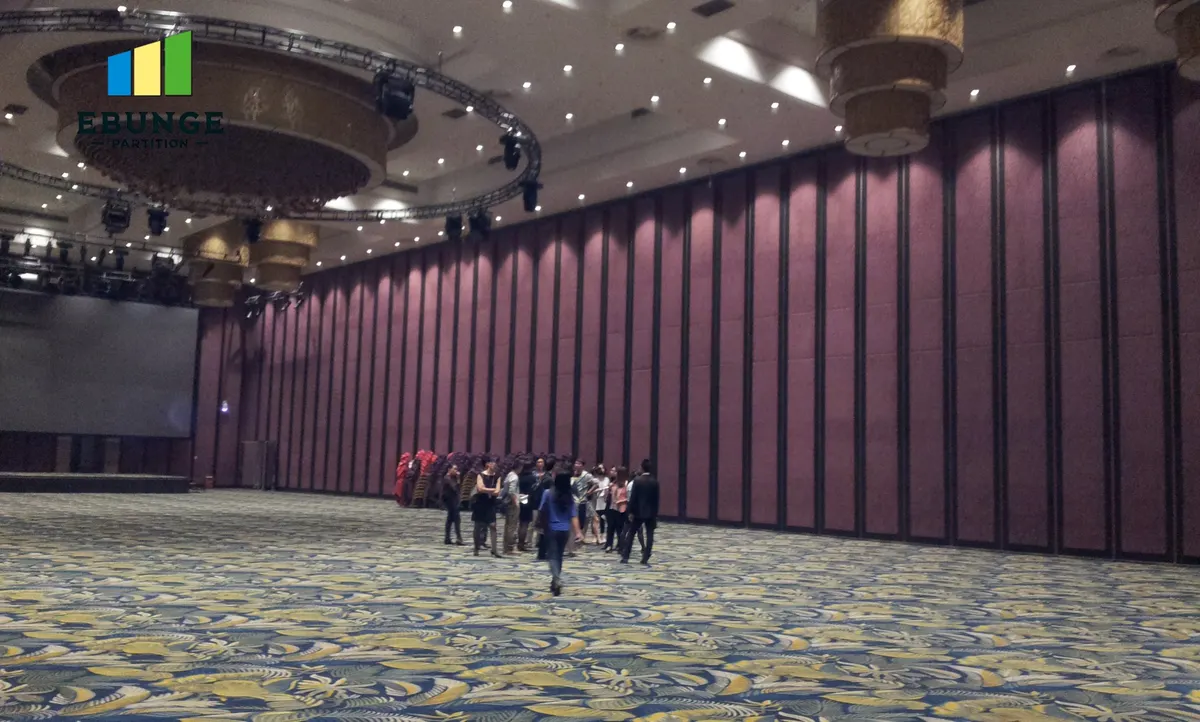
Once the track zone is frozen, the movable wall can be specified against a stable drawing set. Review the movable wall product range against the frozen routes and parking position, and use the technical resources to structure the questions you put to the supplier. Finish options include laminate, melamine, fabric, leather, glass and other approved surfaces; confirm availability against the project schedule rather than assuming it.
Keep the freeze note attached to the specification package. If a supplier or contractor queries the track zone later, the note explains what was agreed and when.
Frequently Asked Questions
When in the programme should the freeze date fall?
The exact point depends on the project programme and should be agreed with the team.
Does the freeze date confirm acoustic performance?
No. It fixes coordination geometry. Acoustic requirements need their own project-specific review and supporting evidence for the configuration actually proposed.
Can the track route change after the freeze?
It can, but the change should be recorded, reviewed and re-issued. Informal changes undermine the purpose of the date.
Who should accept the freeze note?
Every trade whose work touches the track zone, plus the party responsible for support review. Written acceptance is more useful than a meeting note alone.
What if the layout is still developing?
Then the freeze is premature. Complete the route and parking review first, or freeze only the portion of the layout that is stable and state that limitation clearly.
How does the freeze relate to pass doors?
Pass-door requirements should be discussed and recorded before the freeze, so the door position is part of the coordinated drawing rather than a later addition.
Conclusion and Next Step
A track zone coordination freeze date works when it is defined narrowly, supported by reviewed drawings and accepted in writing. Architects who treat it as a documentation decision, rather than a performance promise, give every trade a stable reference without overstating what has been confirmed.
To discuss pass-door requirements, project documentation or the coordination inputs for your layout, contact the EBUNGE team and share your current drawings for review.