
Quick answer: track interface raci before tender
Review focus: track interface raci before tender.
An architect track interface RACI before tender is a responsibility map for the overhead route that carries movable wall panels. It does not certify acoustics, structure, or installation. It simply records who is Responsible, Accountable, Consulted, and Informed for each interface decision. Because EBUNGE panels are top-hung and cross the opening without a floor track, the track interface touches several trades. Clarifying it early reduces tender ambiguity. This article offers a coordination framework, not a performance promise. Every project must confirm its own support, acoustic, and dimensional requirements.
Why the Track Interface Needs a RACI Before Tender
Project review term: track interface raci before tender.
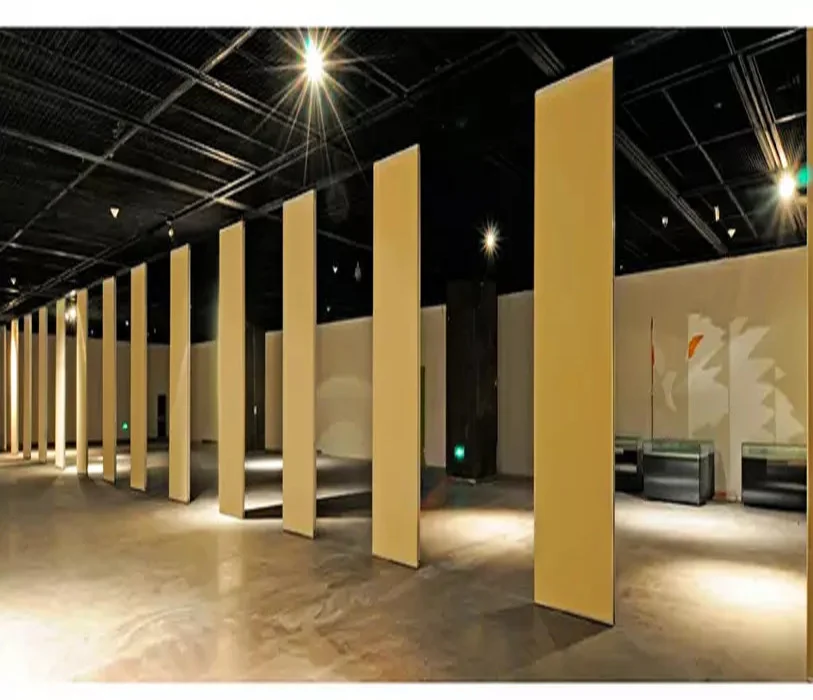
Movable partitions are individually movable and suspended from a top track. They park at a planned stacking position. Straight, turning, and stacking routes are reviewed from the layout. That means the track route is not a single-product decision. The suitability of each route and parking arrangement depends on the approved layout, circulation, ceiling interfaces and operating sequence.
Without a RACI, tender documents can leave the track route as an implied item. Contractors may price a different assumption. Suppliers may receive incomplete drawings. The result is often a clarification cycle rather than a clear scope. A RACI does not replace drawings. It makes the drawing review accountable.
Define the Interface Zones Before Assigning Roles
Coordination scope: track interface raci before tender.
Before writing names into a RACI, list the physical zones the track crosses. Use the architectural layout to mark each zone. Then assign roles per zone, not per project. This prevents one trade from owning an interface it cannot control.
Zone 1: The Opening and Head Condition
The opening is where panels cross without a floor track. The architect usually owns the drawn intent. The supplier confirms the track profile and fixing interface only when project-specific information is available.
Zone 2: The Turning and Stacking Route
The exact route, junction arrangement, continuous overhead path and parking position must be confirmed from the coordinated project drawings. A stacking position may require a parking area. Neither can be assumed from a generic detail. The RACI should state who provides the coordinated layout and who reviews it.
Zone 3: Adjacent Finishes and Services
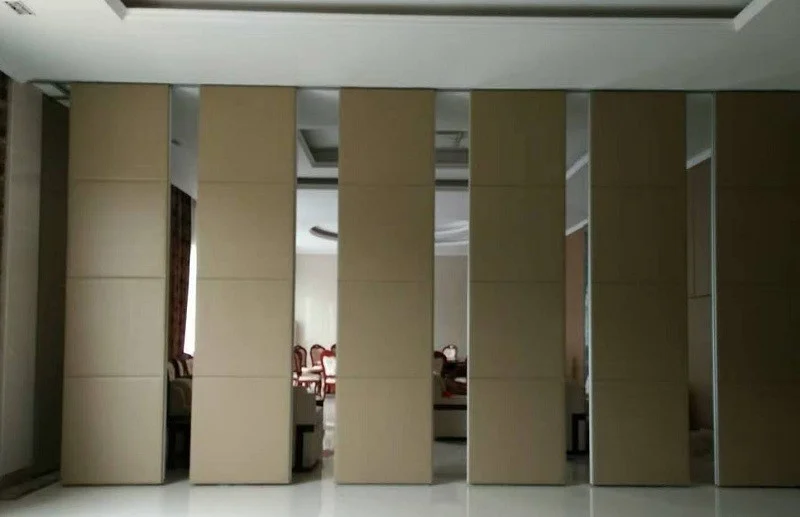
Ceiling grids, lighting, sprinklers, and diffusers often share the same overhead zone. The RACI should record who checks clearance and who resolves clashes. This is a coordination duty, not a product performance claim.
Build the RACI with Four Decision Types
Checklist focus: track interface raci before tender.
A useful RACI separates decisions into four types. Each type needs one Accountable party. Multiple Responsible parties are acceptable, but accountability should not be shared vaguely.
- Layout decision: Who confirms the straight, turning, and stacking routes from the architectural plan?
- Support decision: Who confirms that the overhead route is continuously supported and suitable for the project?
- Product interface decision: Who confirms the track-to-panel interface and finish selection?
- Documentation decision: Who issues the coordinated drawings and specifications for tender?
For each decision, name one Accountable person. Then list who must be Consulted before the decision closes. Finally, list who is Informed after it closes. This structure keeps the RACI usable during tender review.
Use a Pre-Tender Checklist to Test the RACI
The following checklist helps the project team test whether the RACI is complete. It is a coordination tool, not an engineering approval.
- Does the layout show every straight, turning, and stacking route?
- Is the overhead route shown as continuous and connected across the opening?
- Is the support condition identified for each zone?
- Are finish options such as laminate, melamine, fabric, leather, glass, or other approved surfaces assigned to a decision owner?
- Are pass-door requirements recorded and assigned?
- Is the party responsible for project documentation named?
- Are acoustic requirements stated as project-specific goals rather than assumed values?
- Is there a named reviewer for dimensional coordination?
If any item lacks an owner, the RACI is not ready for tender. Add the owner before issuing the package.
Separate Evidence from Assumption in the Tender Package
Tender documents often mix confirmed facts with assumptions. A track interface RACI should mark the difference. Confirmed facts include the top-hung movement principle, the absence of a continuous floor track, and the need for a planned stacking position. Assumptions include support capacity, acoustic outcome, and dimensional fit.
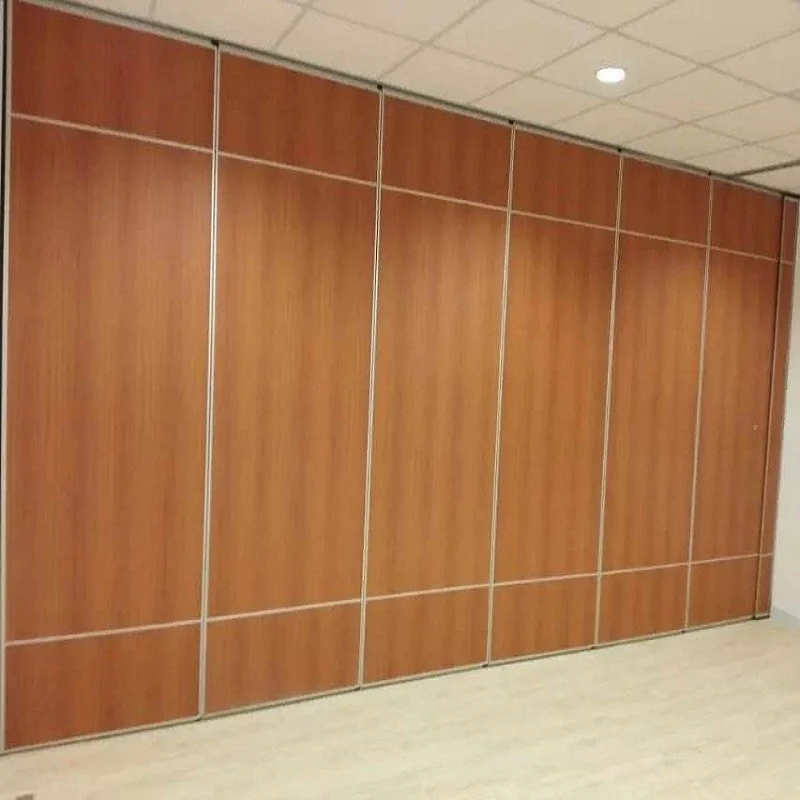
Evidence note: Do not derive acoustic, structural, or durability performance from a visible finish, a photograph, or a generic drawing. STC and Rw are rating concepts, not a direct count of decibels. Project-specific values require matching test evidence and project review.
When a statement cannot be supported, write the confirmation boundary instead. ” This is more useful than an unsupported claim.
Coordinate Acoustic and Dimensional Requirements Without Overpromising
The RACI should identify who confirms the acoustic requirement and who reviews the interface details.
Dimensional coordination follows the same logic. Panel dimensions, track route, and stacking position must be reviewed together. The architect can own the layout intent. The supplier can review the interface when project-specific drawings are available. The contractor can confirm site conditions. No party should infer hidden performance from a visible shape.
Common RACI Mistakes to Avoid
One common mistake is assigning the track interface to a single trade without consulting others. Another is treating the stacking position as a leftover space rather than a planned route. A third is leaving pass-door requirements unassigned. Each mistake creates tender risk.
Another mistake is using the RACI to replace drawings. The RACI is a responsibility map. It should point to the coordinated drawing set. It should also record who reviews and approves each interface. Without that link, the RACI becomes a list of names rather than a working tool.
Frequently Asked Questions
What is an architect track interface RACI before tender?
It is a responsibility matrix that records who is Responsible, Accountable, Consulted, and Informed for each overhead track interface decision before the tender package is issued.
Does the RACI replace structural or acoustic engineering?
No. It organizes coordination.
Which finish options should be listed in the RACI?
Confirmed finish options include laminate, melamine, fabric, leather, glass, and other approved surfaces. The RACI should name who selects and approves the finish for each project.
How should pass-door requirements be handled?
Pass-door requirements can be discussed with the supplier and should be recorded in the RACI with a named decision owner. They should not be left as an implied item.
Can the RACI confirm acoustic performance?
No. The RACI should identify who confirms the requirement, not promise a result.
What documentation should accompany the RACI?
Project documentation can be discussed with the supplier. The coordinated drawing set, layout, and specification should be referenced by the RACI rather than replaced by it.
Conclusion: Use the RACI to Clarify, Not to Certify
A track interface RACI before tender helps architects separate design intent, support review, product interface, and documentation duties. Confirm project-specific support, acoustic, and dimensional requirements with the appropriate parties.
To discuss movable wall interfaces, finishes, pass-door requirements, or project documentation, contact EBUNGE. You can also review movable wall products and visit the resources page for general planning context.