
Quick answer: architect partition interface RACI grid coordination
Review focus: architect partition interface RACI grid coordination.
Movable partitions are rarely a single-trade decision. They sit between architecture, structure, MEP, interiors and the specialist supplier, and each interface carries a question about who decides, who reviews and who must be informed. For architects, architect partition interface RACI grid coordination is a way to make those questions visible before they become site instructions. The grid does not replace drawings or specifications; it organises the decisions that drawings must eventually resolve.
This article sets out a practical method for mapping partition interface decisions to a RACI grid. It stays within confirmed product facts: EBUNGE movable wall panels are individually movable, suspended from a top track, cross the opening without a floor track, and park at a planned stacking position. Straight, turning and stacking routes are reviewed from the layout.
Why Partition Interfaces Need a RACI Grid
Project review term: architect partition interface RACI grid coordination.
A movable partition touches more building elements than its visible face suggests. The top track needs a supporting structure above. The opening needs clear dimensions and a parking zone. Adjacent finishes, ceilings, services and fire compartments may all meet the partition line. When responsibility is unclear, coordination slows down and assumptions fill the gap.
A RACI grid assigns four roles to each decision: Responsible, Accountable, Consulted and Informed. It is not a performance document and it does not certify anything. It is a coordination map that shows where a decision belongs and who must confirm it.
What the grid can and cannot do
The grid can clarify decision ownership, review sequence and information flow. The suitability of each route and parking arrangement depends on the approved layout, circulation, ceiling interfaces and operating sequence. Those items require project-specific evidence, usually through drawings, calculations or supplier confirmation. Treat the grid as a routing tool, not as proof.
Start With the Movement Route, Not the Panel
Coordination scope: architect partition interface RACI grid coordination.
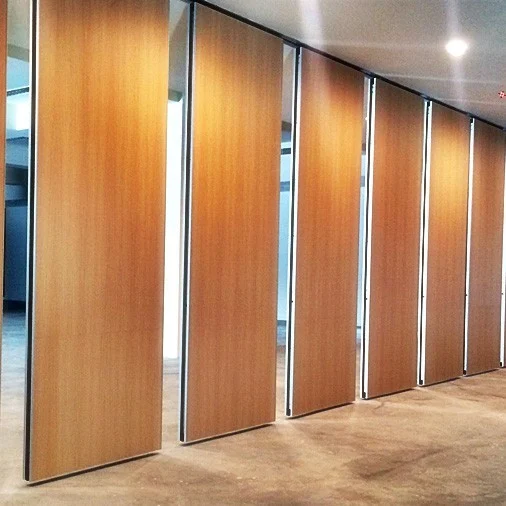
Confirmed product facts describe a top-hung system: panels are individually movable, suspended from a top track, cross the opening without a floor track, and park at a planned stacking position. That means the first coordination question is not the panel finish but the route. The exact route, junction arrangement, continuous overhead path and parking position must be confirmed from the coordinated project drawings.
Walk the route on the layout before assigning responsibilities. Ask where the track is supported, how the panels turn if the route changes direction, and where they will park without blocking circulation or services.
A route review checklist
- Confirm the opening width and height against the current architectural layout.
- Trace the full movement path, including any turning or stacking route.
- Identify the supporting structure above the track and note who confirms it.
- Check the parking position against doors, services, furniture and escape routes.
- Record any pass-door requirement and who will coordinate its documentation.
- Note where the route meets changes in ceiling height, soffits or adjacent finishes.
Build the RACI Grid Around Decision Types
Checklist focus: architect partition interface RACI grid coordination.
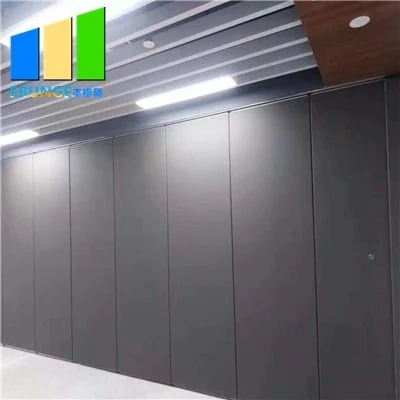
A useful grid groups decisions by type rather than by trade. Each family has a different evidence base and a different review rhythm. Grouping them helps the team see which decisions are architectural, which need engineering input, and which depend on supplier documentation.
For each decision, name one Accountable party. Multiple accountable parties usually mean no one is accountable. Responsible parties do the work, Consulted parties give input before the decision, and Informed parties receive the outcome. Keep the grid short enough to be read at a glance, and review it at each design stage.
Compact RACI example for a partition interface
| Decision | Responsible | Accountable | Consulted | Informed |
|---|---|---|---|---|
| Opening dimensions and clear route | Architect | Architect | Contractor, supplier | Owner, interiors |
| Support above top track | Structural engineer | Structural engineer | Architect, supplier | Contractor |
| Acoustic interface strategy | Acoustic consultant | Architect | Supplier, contractor | Owner |
| Finish selection and approval | Interior designer | Architect | Owner, supplier | Contractor |
| Parking position and clearance | Architect | Architect | Contractor, supplier | Facilities team |
The table is an example of structure, not a project record. Names and roles must be adapted to the actual appointment and contract. Where a role does not exist on a project, the accountable party still needs to be identified.
Keep Acoustic Language Conceptual
Review focus: architect partition interface RACI grid coordination.
For that reason, the RACI grid should route acoustic decisions to the appropriate specialist rather than resolving them in a coordination meeting. The architect can define the interface and the required documentation, but the acoustic strategy needs project-specific evidence. Do not infer performance from a finish sample, a photograph or a generic description.
Evidence note
Confirmed EBUNGE facts cover top-hung movement, clear floor crossing, planned parking, finish options and documentation discussion. They do not include panel cores, seal materials, test values, structural capacity or acoustic results. Those items require project-specific confirmation.
Coordinate Finishes Without Overclaiming
Project review term: architect partition interface RACI grid coordination.
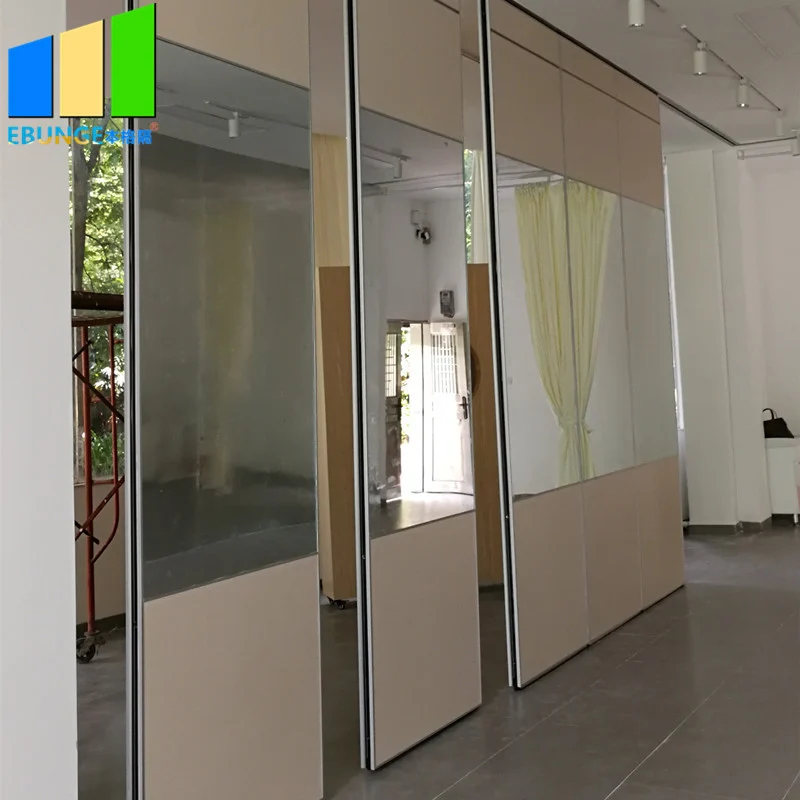
Confirmed finish options include laminate, melamine, fabric, leather, glass and other approved surfaces. Finish selection affects appearance, maintenance expectations and interface detailing, but it does not by itself confirm acoustic, fire or durability performance. The RACI grid should separate the aesthetic decision from the performance decision.
Assign finish approval to the party who owns the design intent, and route performance questions to the relevant specialist. Where a finish is proposed for a specific environment, confirm suitability with the supplier and the project team.
Review the Grid at Each Design Stage
Coordination scope: architect partition interface RACI grid coordination.
A RACI grid is only useful if it stays current. Each review should confirm that the movement route is still clear, the parking position is still available, and the supporting structure is still being addressed.
Use the grid to prepare questions for the supplier and the contractor. Pass-door requirements, finish approvals and documentation expectations can all be discussed, but they need to be tied to the project’s own drawings and specifications. The grid helps the team ask the right question at the right time.
Numbered review process
- Reissue the current layout and mark the partition route and parking zone.
- Check each RACI row against the latest design information.
- Confirm which decisions still need project-specific evidence.
- Record open items and assign a responsible party and review date.
- Share the updated grid with the contractor and supplier before the next coordination meeting.
Frequently Asked Questions
What is a RACI grid in partition coordination?
It is a simple table that assigns Responsible, Accountable, Consulted and Informed roles to each interface decision. It clarifies who decides and who needs to be involved, but it does not replace drawings, specifications or project-specific evidence.
Does a movable partition need a floor track?
Confirmed EBUNGE movable wall panels are top-hung and cross the opening without a floor track. The movement route still needs a continuous connected overhead route and project-specific support review.
Can the RACI grid confirm acoustic performance?
No. Acoustic requirements need project-specific confirmation.
Who should be accountable for the parking position?
That depends on the project appointment. The architect often coordinates the layout, but the accountable party must be named in the project’s own responsibility matrix. The parking position should be reviewed against circulation, services and escape routes.
Can finish options be selected from the RACI grid?
The grid can show who approves finishes, but finish selection is a design decision. Confirmed options include laminate, melamine, fabric, leather, glass and other approved surfaces. Suitability for a specific environment still needs confirmation.
What documentation should be discussed with the supplier?
Pass-door requirements, layout drawings, finish approvals and interface information can all be discussed. The project team should confirm what documentation is required and who will provide it.
Conclusion and Next Step
Mapping partition interface decisions to a RACI grid gives architects a clear way to separate coordination from performance claims.
To discuss a specific layout, movement route or documentation requirement, contact the EBUNGE team. You can also review the movable wall product range and the project resources before the next coordination meeting.