
Quick answer: interface query triage board
Review focus: interface query triage board.
An architect partition interface query triage board is a coordination tool, not a product selection shortcut. It sorts incoming questions about movable partition interfaces by evidence status, drawing dependency and responsible party before they reach the specification stage. The goal is to keep unverified assumptions out of tender documents while giving contractors, designers and owners a clear route to confirmation. This article sets out a triage structure that works alongside maintained product facts and project-specific drawing review.
Why Interface Queries Need Triage Before Specification
Project review term: interface query triage board.
Movable partition coordination sits between architectural intent and specialist supply. The suitability of each route and parking arrangement depends on the approved layout, circulation, ceiling interfaces and operating sequence. Without triage, these items are answered inconsistently or absorbed into the specification as assumptions.
A triage board separates what is known from what must be confirmed. Those attributes require matching project evidence, not inference from a line on a plan.
What the Triage Board Should Capture
Coordination scope: interface query triage board.
Each query card should record the question, its origin, the drawing or document it depends on, and the confirmation route. The board is deliberately simple so it can be maintained through design development, tender and construction stages.
- Query reference: a unique number linked to the drawing or room list.
- Interface category: overhead route, parking zone, finish, pass-door, dimensional coordination or documentation.
- Evidence status: confirmed by maintained product facts, awaiting project-specific confirmation, or outside scope.
- Next action: issue drawing, request confirmation, or close with a recorded boundary.
This structure keeps the board usable. It does not attempt to answer engineering questions; it routes them to the party who can confirm them with project evidence.
Sorting Queries by Interface Category
Checklist focus: interface query triage board.
Overhead Route and Support
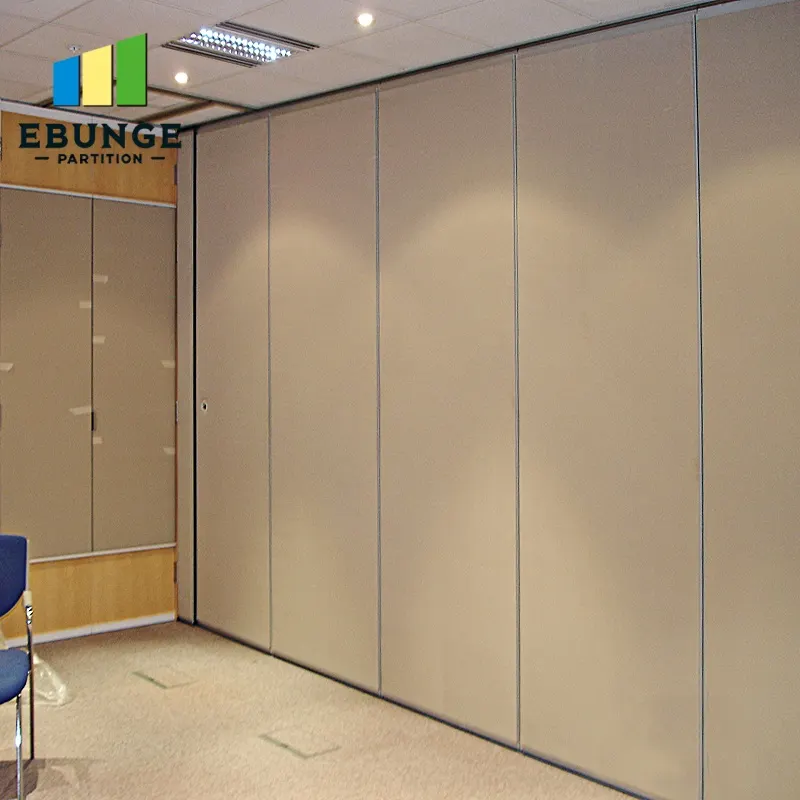
Movable wall panels are individually movable, suspended from a top track, and cross the opening without a floor track. Straight, turning and stacking routes are reviewed from the layout. A query about whether a proposed route is continuous and supported belongs in this category. The triage board should flag it for project-specific support review rather than resolving it from a generic detail.
Parking and Stacking Position
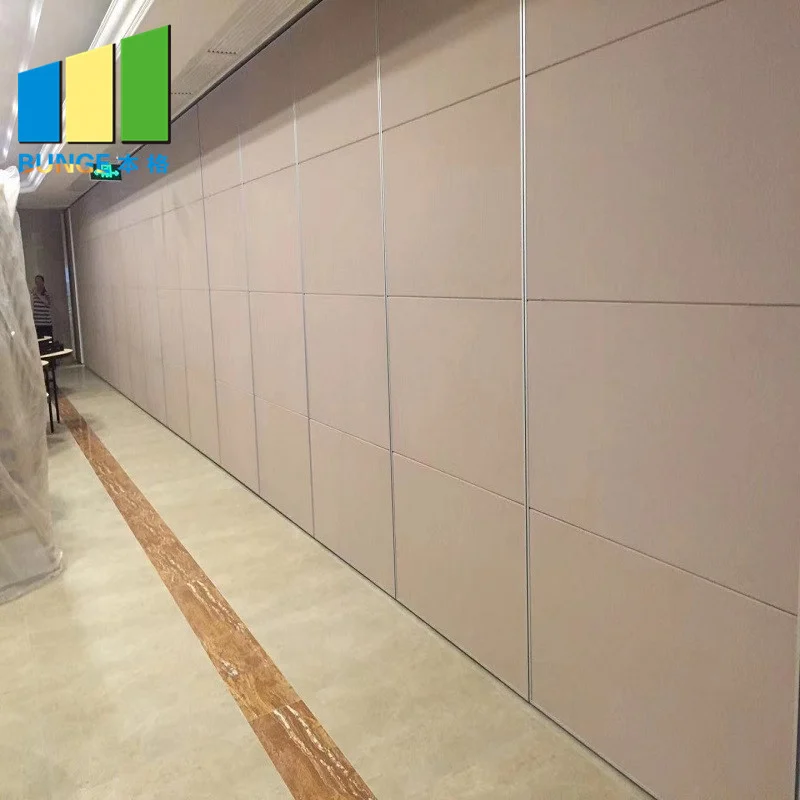
Panels park at a planned stacking position. Parking style is customized to the customer layout and project requirements, and may support compact stacking when the coordinated design permits it. Queries about where panels rest, how they relate to adjacent rooms, and whether the stacking zone conflicts with services should be logged with the relevant plan extract.
Finish and Visual Interfaces
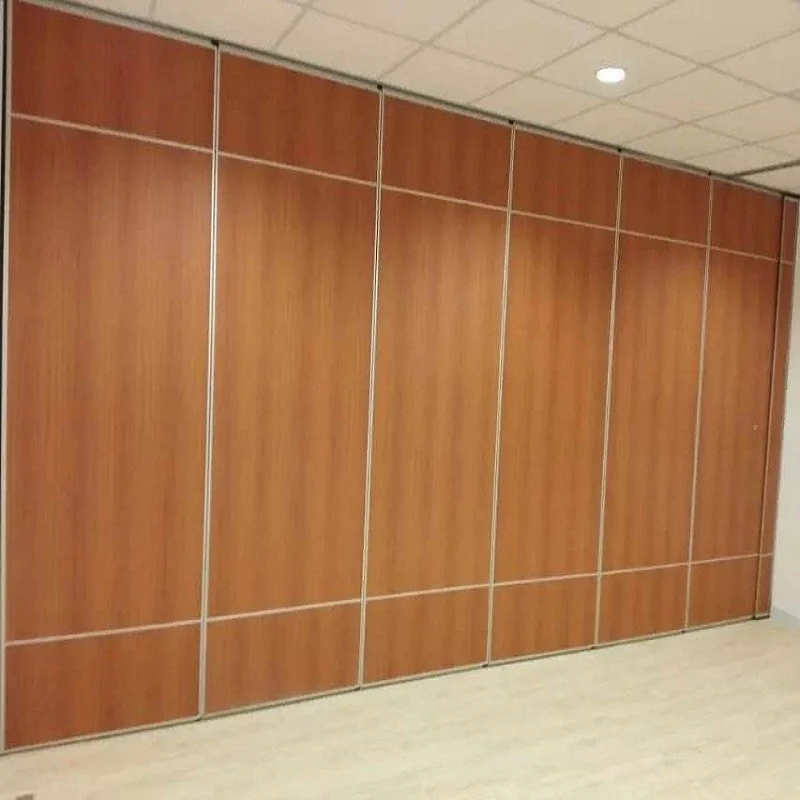
Confirmed finish options include laminate, melamine, fabric, leather, glass and other approved surfaces. The board should separate finish selection from performance confirmation so that one does not imply the other.
Pass-Door and Access Requirements
Pass-door requirements can be discussed as part of project documentation. The triage board should record the access intent, the drawing that shows it, and the confirmation needed before it is treated as fixed.
A Five-Step Triage Process for Project Teams
- Log the query with a reference, date and originator.
- Classify the interface using the categories above.
- Check evidence status against maintained product facts and project documents.
- Assign the confirmation route to the party with the relevant project evidence.
- Record the outcome as confirmed, pending or outside scope, with the boundary stated.
This process is deliberately evidence-bounded. It does not convert a planning assumption into a performance claim, and it does not treat a generic application example as a application reference reference.
Evidence Boundaries Every Triage Board Should State
Where acoustic separation matters, the requirement must be confirmed against project-specific evidence.
Do not derive hidden acoustic, fire, durability, load, maintenance, certification or commercial performance from a visible shape, finish, photograph or drawing. Comparative, absolute and causal statements require corresponding evidence; otherwise state the exact project-specific confirmation boundary.
The same discipline applies to dimensions, support points and installation sequencing. If the evidence is not present, the triage board should say so plainly rather than filling the gap with a plausible assumption.
Coordination Workflow Across Disciplines
An architect partition interface query triage board is most useful when it is visible to the whole project team. Contractors can see which items affect setting out. Interior designers can see which finish queries are still open. Owners can see which decisions carry a confirmation dependency.
The board should link to the drawing register and the specification sections it affects. When a query closes, the closure note should reference the confirming document. When a query remains open, the note should state what is needed and from whom.
For broader planning context, the EBUNGE resources page provides public guidance material. Product context for movable walls is maintained on the movable walls product page. These references support coordination; they do not replace project-specific confirmation.
Common Triage Mistakes to Avoid
One mistake is answering a support question with a finish detail. Another is treating a parking position as fixed before the layout review is complete. A third is allowing a query to close without a named confirming document.
The exact route, junction arrangement, continuous overhead path and parking position must be confirmed from the coordinated project drawings. Every proposed movement path requires a continuous connected overhead route and project-specific support review. The triage board should flag any route that has not been reviewed in this way.
Finally, avoid using the board as a substitute for drawing review. It is a routing and status tool. The drawings and project-specific confirmations remain the evidence.
Frequently Asked Questions
What is an architect partition interface query triage board?
It is a coordination register that sorts movable partition interface questions by category, evidence status, responsible party and next action. It helps teams route queries to the right confirmation route before specification.
Does the triage board confirm acoustic performance?
No. The board records the query and the confirmation route; it does not assign performance values.
How should overhead route queries be handled?
They should be flagged for project-specific support review. Panels are top-hung and move without a floor track, and every proposed movement path requires a continuous connected overhead route.
Can finish selection be recorded on the same board?
Yes, as a separate category. Confirmed finish options include laminate, melamine, fabric, leather, glass and other approved surfaces.
When should a query be marked outside scope?
When it requires evidence that is not available and cannot be confirmed through the project route. The board should state the boundary rather than leaving an implied answer.
How does the board relate to pass-door requirements?
Pass-door requirements can be discussed as part of project documentation. The board should record the access intent and the confirmation needed before it is treated as fixed.
Conclusion and Next Step
A triage board keeps movable partition coordination honest. It separates maintained product facts from project-specific confirmation, routes queries to the right party, and records boundaries instead of assumptions. Used consistently, it reduces the risk of unverified performance or dimensional claims reaching the specification.
The exact overhead route and support arrangement must be confirmed by the responsible project team from coordinated drawings. To discuss pass-door requirements, project documentation or coordination questions, contact the EBUNGE team.