
How Architects Can Time Partition Interface Queries to a Design Freeze
Quick answer: partition interface
Review focus: partition interface.
Late interface questions are expensive because they arrive after decisions have hardened. For architects, architect partition interface query timing design freeze is a scheduling discipline: raise the right questions early enough that the answers can still change the drawing set, the ceiling zone and the room layout. Movable wall panels are individually movable, suspended from a top track, cross the opening without a floor track, and park at a planned stacking position. Each of those facts touches architecture, so each deserves a query window before freeze.
This article offers a coordination framework, not a performance guarantee. The exact route, junction arrangement, continuous overhead path and parking position must be confirmed from the coordinated project drawings.
Why Interface Queries Slip Past Design Freeze
Project review term: partition interface.
Partition interfaces sit between disciplines. The suitability of each route and parking arrangement depends on the approved layout, circulation, ceiling interfaces and operating sequence. Cost and maintenance requirements depend on the selected configuration, finish and project conditions and require project-specific confirmation.
A drawing may show a clean opening and a parking alcove, but it does not by itself prove that the overhead route is continuous, that the stacking position is reachable, or that the specified finish is appropriate. Treat drawings as questions to be answered, not as evidence of performance.
Map the Interface Zones Before You Ask Anything
Coordination scope: partition interface.
Before drafting queries, mark the zones where the partition meets other building elements. This gives each question a location and an owner.
- Opening line: the clear width and height, and confirmation that no continuous floor track is required along the partition line.
- Travel route: the straight, turning or stacking path the panels follow, reviewed as a connected overhead route.
- Parking position: the planned stacking location, its footprint and how it relates to adjacent rooms or circulation.
- Finishes and pass doors: approved surface options and any pass-door requirement.
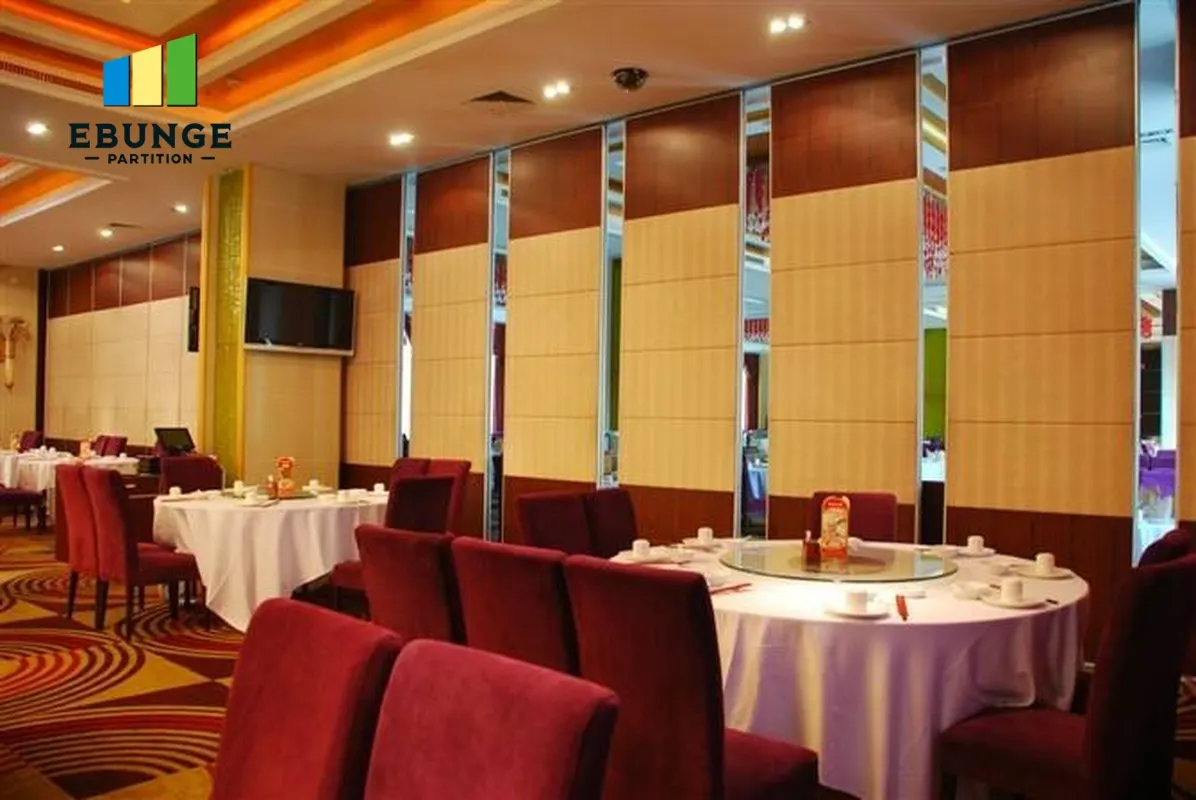
Each zone becomes a query line in your coordination log. The movable wall product overview is a useful starting reference for the system’s basic behaviour, but your layout still needs its own review.
A Query Timeline Tied to Design Stages
Checklist focus: partition interface.
The table below is a generic coordination pattern; adapt it to your contract and programme.
| Stage | Query focus | Expected output |
|---|---|---|
| Concept and room layout | Opening location, travel route, parking intent | Route sketch and parking zone marked on plan |
| Schematic design | Head condition, ceiling zone, support coordination | Section study and structural query issued |
| Design development | Finish options, pass doors, acoustic brief wording | Specification clauses and finish schedule entries |
| Pre-freeze review | Open queries, drawing consistency, documentation status | Closed query log or formally deferred items |
Notice that acoustic wording appears at design development, not at concept. Acoustic intent should be described in the brief early, but the specification language needs the room use, adjacencies and the manufacturer’s project-specific input before it can be written responsibly.
What to Ask at Each Interface
Head, track and support
Ask how the top track relates to the ceiling build-up and which discipline confirms support. Do not infer load capacity from a drawing or a photograph.
Route and parking
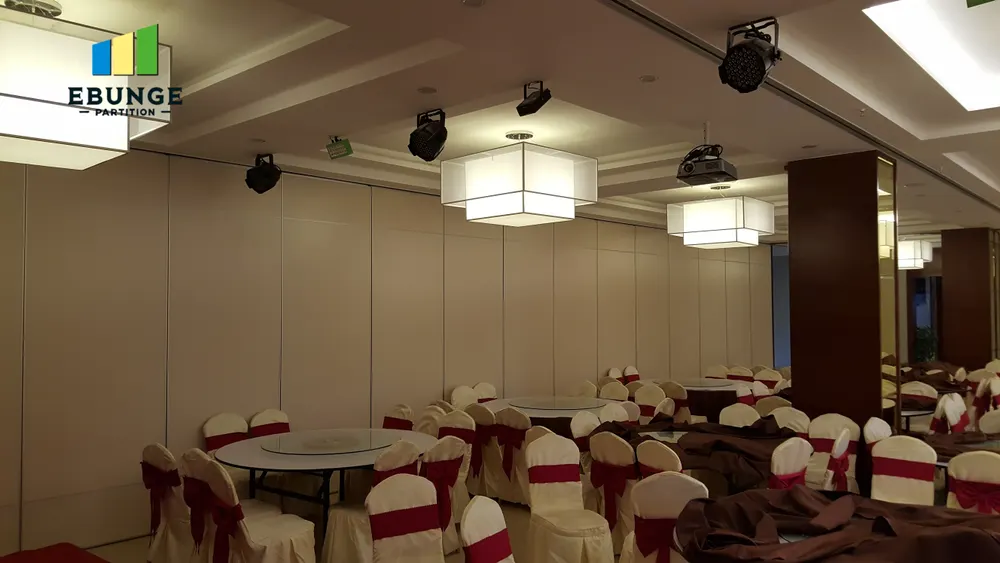
Ask the manufacturer to review the straight, turning and stacking routes from your layout. Confirm that the proposed movement path forms a continuous connected overhead route. Parking style is customised to the customer layout and project requirements, and compact stacking may be possible when the coordinated design permits it. That permission is a design outcome, not a default.
Finishes and pass doors
Confirmed finish options include laminate, melamine, fabric, leather, glass and other approved surfaces. Ask which option suits the room’s function and cleaning regime, and record the answer. Where a pass door is needed, raise the requirement early so it can be discussed alongside the panel layout.
Write Acoustic Queries Without Overclaiming
Evidence note: seals and acoustic concepts can be explained generically, but no seal material, panel construction or tested value should be assumed from a drawing, a finish sample or a similar project. Ask for the documentation that applies to your specification.
Frame the query as a question: what acoustic documentation is available for the proposed configuration, and what project conditions must be confirmed?
Run a Pre-Freeze Query Review
Hold one structured review before freeze.
- Confirm the opening dimensions and the clear height against the current drawing set.
- Trace the travel route on plan and check it is continuous and unobstructed.
- Mark the parking position and confirm it does not conflict with circulation or services.
- List every finish and pass-door decision still open, with an owner and a date.
- Record acoustic documentation requests and the project conditions still to be verified.
- Close or formally defer each query, and note the deferral in the specification.
Queries that cannot be closed should be written as explicit project-specific confirmations rather than left as silent assumptions. The technical resources library can support this documentation step.
Keep the Query Log Alive After Freeze
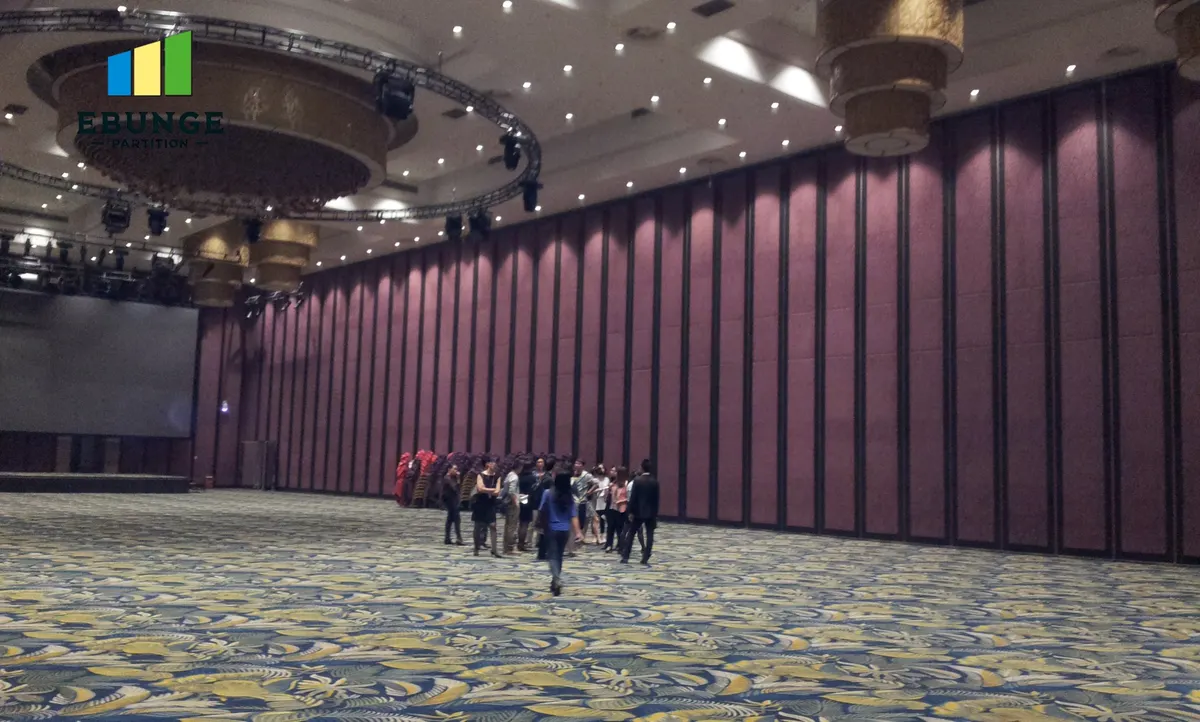
Freeze is a milestone, not a wall. Some queries legitimately continue into procurement, particularly finish approvals and pass-door details. What must not continue is an unresolved interface that affects the opening, the route or the parking zone.
Assign one coordinator to maintain the log, and review it at each drawing issue. When a query closes, record the evidence that closed it. When it reopens, record why. This habit protects the design intent and gives the contractor a defensible basis for installation planning.
Frequently Asked Questions
When should partition interface queries first be raised?
At concept stage, when the opening, travel route and parking intent are still flexible. Early queries are cheaper to answer because they can still reshape the layout.
Does a movable partition need a floor track?
EBUNGE movable wall panels are top-hung and cross the opening without a floor track along the partition line.
Can I specify acoustic performance from a drawing?
No.
Which finishes can be discussed before freeze?
Confirmed options include laminate, melamine, fabric, leather, glass and other approved surfaces. Suitability for a given room and maintenance regime should be confirmed for your project.
How is the parking position decided?
Parking style is customised to the customer layout and project requirements. The planned stacking position should be marked on the layout and reviewed with the manufacturer.
What if a query cannot be closed before freeze?
Record it as an open item with an owner and a date, and state the project-specific confirmation required. Do not replace the answer with an assumption.
Conclusion and Next Step
Good timing is simply good coordination. By mapping interface zones, attaching queries to design stages and reviewing them before freeze, architects can keep movable partition decisions visible and evidence-based. Confirm support, acoustic and dimensional requirements for your specific project before finalising the specification.
To discuss pass-door requirements, layout review or project documentation, contact the EBUNGE team with your drawings and open queries.