
Quick answer: architect partition interface query routing discipline
Review focus: architect partition interface query routing discipline.
An architect partition interface query routing discipline is the practice of sending each movable partition question to the discipline that can actually answer it. On a flexible-room project, the partition touches structure, ceiling, finishes, fire strategy, acoustics and operations. When those questions land in the wrong inbox, answers arrive late or become assumptions. This article offers a coordination framework, not a performance promise. Every project still needs its own drawing review and confirmed support, acoustic and dimensional requirements.
Why Interface Queries Get Misrouted
Project review term: architect partition interface query routing discipline.
Movable partitions are often treated as a single package. In reality, the top track, panel route, parking position and finish selections create interfaces with several trades. The suitability of each route and parking arrangement depends on the approved layout, circulation, ceiling interfaces and operating sequence. The result is delay and rework.
The routing problem is not a lack of expertise. It is a lack of a shared map. Architects can reduce misrouting by naming the interface owner for each question type before tender or construction begins.
A Simple Routing Map for Project Teams
Coordination scope: architect partition interface query routing discipline.
Use the following categories to direct queries. The goal is to get each question to the party with the evidence and authority to answer it.
| Query type | Likely owner | What to confirm |
|---|---|---|
| Top track support and ceiling interface | Structural engineer with architect | Support conditions, deflection limits and coordination with ceiling services |
| Panel route and stacking position | Architect with partition supplier | Straight, turning and stacking routes shown on layout drawings |
| Finish selection and appearance | Interior designer with architect | Approved finish options and sample review |
| Acoustic intent and seal concept | Acoustic consultant with architect | Project-specific acoustic requirements and interface details |
| Pass-door requirements | Architect with supplier and operations | Location, swing, clearance and documentation needs |
This table is a starting point. On complex projects, the routing map should be reviewed at each design stage and updated when scope changes.
What the Product Facts Actually Support
Checklist focus: architect partition interface query routing discipline.
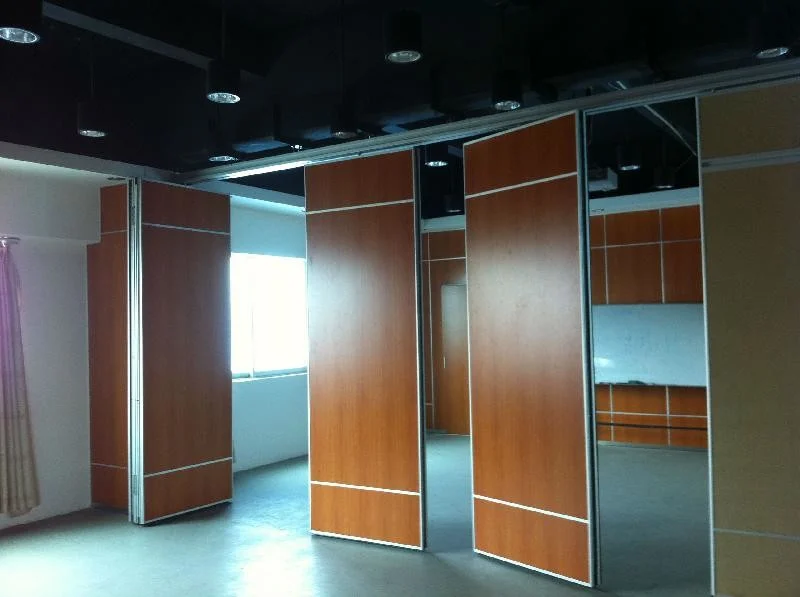
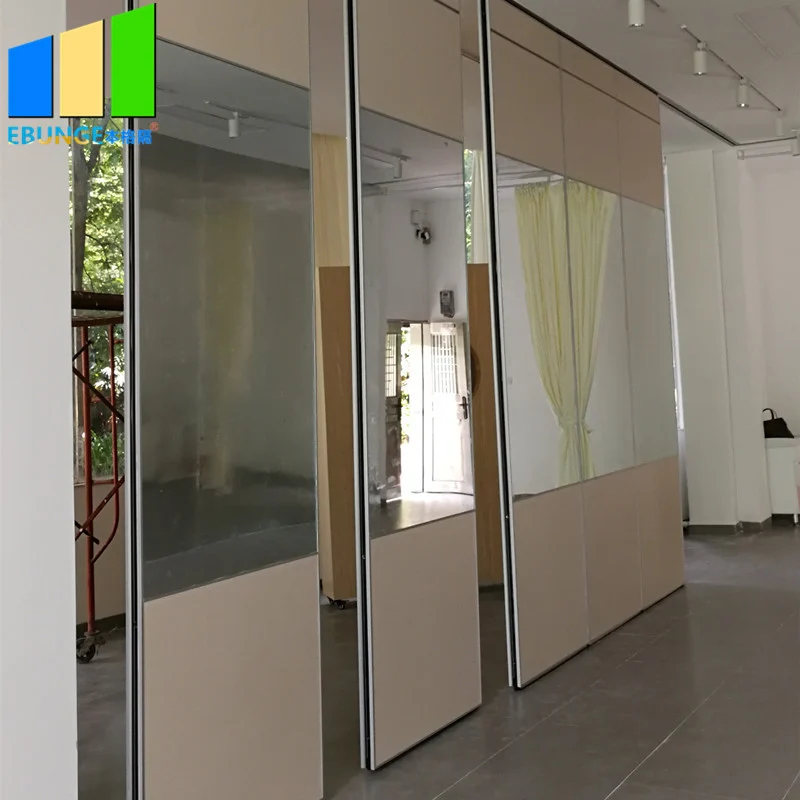
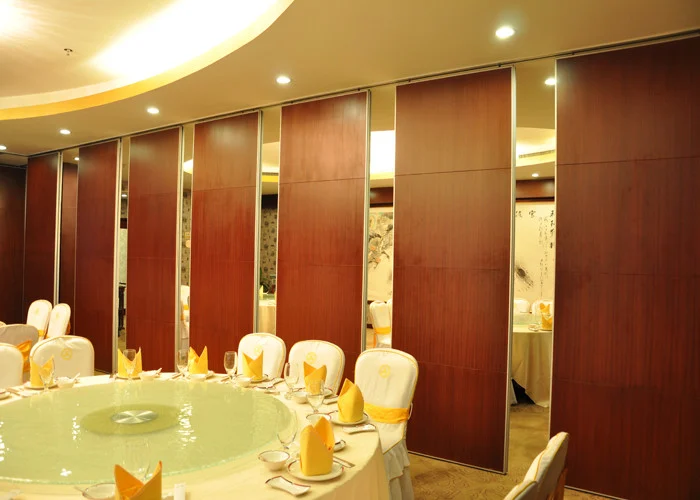
EBUNGE movable wall panels are individually movable and suspended from a top track. They cross the opening without a floor track and park at a planned stacking position. Straight, turning and stacking routes are reviewed from the layout. Confirmed finish options include laminate, melamine, fabric, leather, glass and other approved surfaces. Pass-door requirements and project documentation can be discussed.
These facts define the coordination scope. Those items require project-specific evidence and review.
Evidence Boundaries Every Architect Should State
Clear evidence boundaries prevent optimistic assumptions from entering the specification. When a query cannot be answered from maintained product facts, the response should say what must be confirmed and by whom.
Visible references can support layout discussion but do not verify hidden construction or performance. Comparative and absolute statements require matching evidence. If that evidence is not available, state the exact project-specific confirmation boundary instead.
A layout drawing shows a proposed route, not a confirmed support condition. The architect’s routing discipline is to separate what is known from what must be verified.
How to Run a Query Routing Review
A short, structured review can keep interface questions moving. The following sequence works for design team meetings and contractor coordination sessions.
- List every open partition interface query from the current drawing set.
- Assign each query to a discipline using the routing map above.
- Mark queries that require project-specific support, acoustic or dimensional confirmation.
- Record the evidence needed to close each query and the party responsible for providing it.
- Set a review date and re-check the layout for straight, turning and stacking routes.
- Update the specification only after the relevant evidence is received and reviewed.
This process does not replace engineering judgment. It simply makes the handoffs visible.
Drawing Review Points for Partition Interfaces
Drawings are the shared language of coordination. Architects can use a focused review to catch interface gaps before they become site questions.
Plan view checks
Confirm that the panel route is shown from the closed position to the planned stacking position. The exact route, junction arrangement, continuous overhead path and parking position must be confirmed from the coordinated project drawings. Verify that the stacking position does not conflict with door swings or equipment access.
Reflected ceiling plan checks
Review the top track location against ceiling framing, light fixtures, diffusers and sprinkler heads. The ceiling zone often determines whether the support condition can be coordinated without clashes.
Finish and pass-door checks
Confirm that finish selections are recorded against approved options. Check pass-door locations for operational logic and document any requirement for project documentation. If a query involves acoustic intent, route it to the acoustic consultant rather than answering from the finish schedule.
Common Misrouting Patterns to Avoid
Several patterns appear repeatedly on flexible-space projects. Recognizing them helps teams correct course early.
- Treating a finish selection as evidence of acoustic or fire performance.
- Leaving pass-door requirements until after the layout is frozen.
Each pattern can be addressed by naming the correct discipline and the evidence required to close the query.
Frequently Asked Questions
What is an architect partition interface query routing discipline?
It is a coordination practice for directing movable partition questions to the discipline that can answer them with the right evidence. It covers support, layout, finishes, acoustics and documentation.
Which project information is required before routing queries?
The exact overhead route and support arrangement must be confirmed by the responsible project team from coordinated drawings.
Can the partition supplier answer structural support questions?
Provide the current layout, opening dimensions, ceiling information, intended room use, and relevant project drawings for review. The exact overhead route and support arrangement must be confirmed by the responsible project team from coordinated drawings.
How should acoustic queries be handled?
Acoustic intent should be routed to the acoustic consultant with the architect.
What should be included in a partition specification?
Include the confirmed product facts, approved finish options, layout routes, pass-door requirements and the evidence boundaries for items still requiring project-specific confirmation.
When should the routing map be updated?
Review it at each design stage and whenever scope, layout or team responsibilities change. Early updates reduce late-stage misrouting.
Conclusion and Next Steps
A clear architect partition interface query routing discipline keeps movable partition coordination grounded in evidence. Use the product facts as the starting scope, and state the confirmation boundary whenever project-specific evidence is missing.
To discuss your project’s movable wall requirements, contact EBUNGE. You can also review movable wall products and visit the resources page for further planning context. Confirm all support, acoustic and dimensional requirements for your specific project before finalizing drawings or specifications.