
Quick project answer
Review focus: partition interface query retrospective.
An architect partition interface query retrospective is a structured review of the questions, assumptions and drawing interfaces that shaped a movable partition package. It is not a blame session. It is a coordination habit that helps design teams separate confirmed product facts from project-specific unknowns before the next issue of drawings. For overseas contractors, architects, interior designers, owners and renovation teams, the value lies in documenting what was asked, what was answered and what still requires confirmation. This article offers an evidence-bounded framework you can adapt to your own quality or lessons-learned process.
Why Run a Retrospective on Partition Interface Queries
Project review term: partition interface query retrospective.
Movable wall packages touch many interfaces: structure, ceiling, finishes, adjacent doors, power, data and room layout. A retrospective captures the query trail while it is still fresh. It helps a team see whether the right questions were asked early enough, whether answers were recorded in the right drawing or schedule, and whether any assumption was treated as a confirmed fact.
The goal is not to prove performance. It is to improve the clarity of the next coordination cycle. When teams review queries together, they can spot recurring gaps such as unclear stacking positions, missing pass-door requirements or unresolved finish approvals. Those gaps are coordination issues, not product claims.
What a Retrospective Is Not
It is not a substitute for project-specific engineering, acoustic or dimensional review. It does not confirm that a proposed route will work on site. It does not validate a finish for a particular environment. Those items require separate, project-specific confirmation with the relevant specialists and the manufacturer.
Set the Evidence Boundary Before You Start
Coordination scope: partition interface query retrospective.
Before reviewing any query, agree on what counts as evidence. Maintained product facts, approved drawings and written project instructions belong in one category. Assumptions, verbal comments and generic examples belong in another. The retrospective should label each item clearly so no one mistakes a planning note for a confirmed condition.
Evidence note: a visible finish, a room name or a layout sketch does not by itself confirm acoustic performance, structural capacity, cleaning compatibility or a application reference. Those require matching project evidence.
This boundary keeps the conversation productive. It also protects the team from carrying an unverified assumption into the next design stage.
A Seven-Step Retrospective Process
Checklist focus: partition interface query retrospective.
Use a repeatable sequence so the review does not drift into open-ended discussion. The steps below are a coordination framework, not a technical approval process.
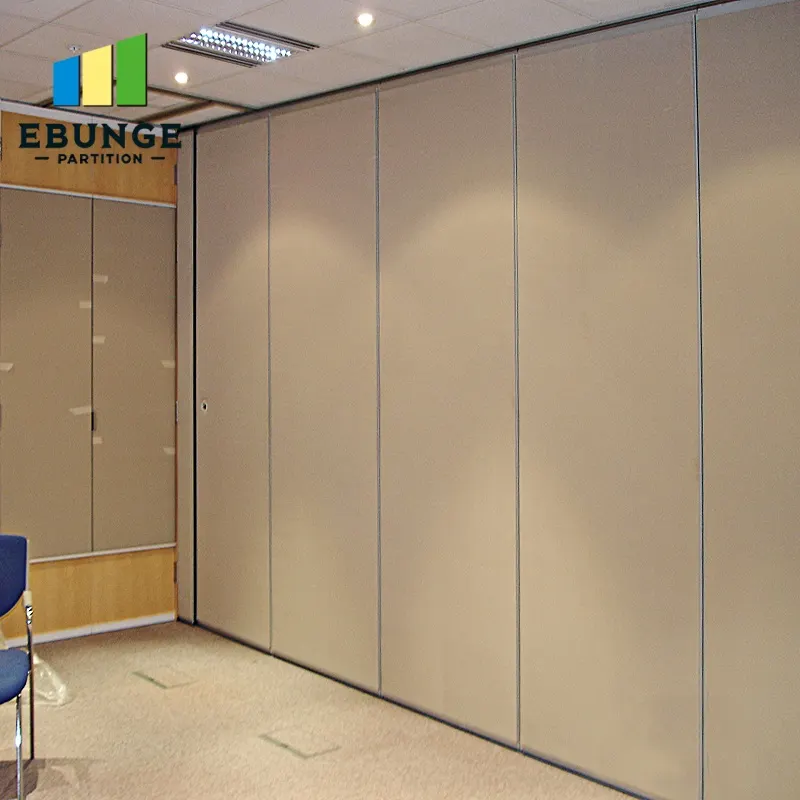
- Collect the query log. Gather requests for information, drawing comments and email threads related to the partition package.
- Classify each item. Mark it as confirmed, open, superseded or requiring project-specific review.
- Map the interface. Note whether the query touches structure, ceiling, floor, adjacent walls, finishes or services.
- Check the movement path. Confirm that the proposed straight, turning and stacking routes are shown on the coordinated layout.
- Review the parking position. Verify that the planned stacking location is drawn and that its support implications are flagged for project review.
- Confirm documentation status. Identify which answers are reflected in the current drawing set and which remain outstanding.
- Assign follow-up. Record who will confirm each open item and where the answer should appear.
Interface Checklist for Drawing Review
Review focus: partition interface query retrospective.
A short checklist helps the team focus on the interfaces that most often generate queries. Adapt it to your own drawing standards and project stage.
- Is the top track route shown as continuous and connected across the full opening and parking area?
- Are straight, turning and stacking routes reviewed together rather than as separate sketches?
- Is the parking position coordinated with adjacent room functions and ceiling features?
- Are pass-door requirements identified and discussed with the relevant parties?
- Are finish selections recorded as approved options rather than assumed defaults?
- Are acoustic and dimensional requirements flagged for project-specific confirmation?
- Is the current drawing revision referenced in every written answer?
This checklist does not confirm that a design is complete. It simply makes the open questions visible.
Common Coordination Gaps and How to Frame Them
Project review term: partition interface query retrospective.
Most retrospective findings are not dramatic. They are small gaps that become expensive when they surface late. Framing them as coordination items keeps the review constructive.
Unclear Movement Routes
A layout may show a partition line but not the full travel path. Because panels are individually movable and suspended from a top track, the route must be continuous and connected. The exact route, junction arrangement, continuous overhead path and parking position must be confirmed from the coordinated project drawings.
Parking Position Assumptions
Parking style is customized to the layout and project requirements. A retrospective should confirm that the planned stacking position is drawn, that it does not conflict with other uses, and that any support implications are referred for project-specific review.
Finish and Pass-Door Ambiguity
Confirmed finish options include laminate, melamine, fabric, leather, glass and other approved surfaces. A retrospective should record which finishes were approved and whether pass-door requirements were discussed. The suitability of each route and parking arrangement depends on the approved layout, circulation, ceiling interfaces and operating sequence.
Documenting Outcomes Without Overclaiming
Coordination scope: partition interface query retrospective.
The output of a retrospective should be a clear action list, not a performance statement. Record what was confirmed, what remains open and what must be verified against project-specific support, acoustic and dimensional requirements.
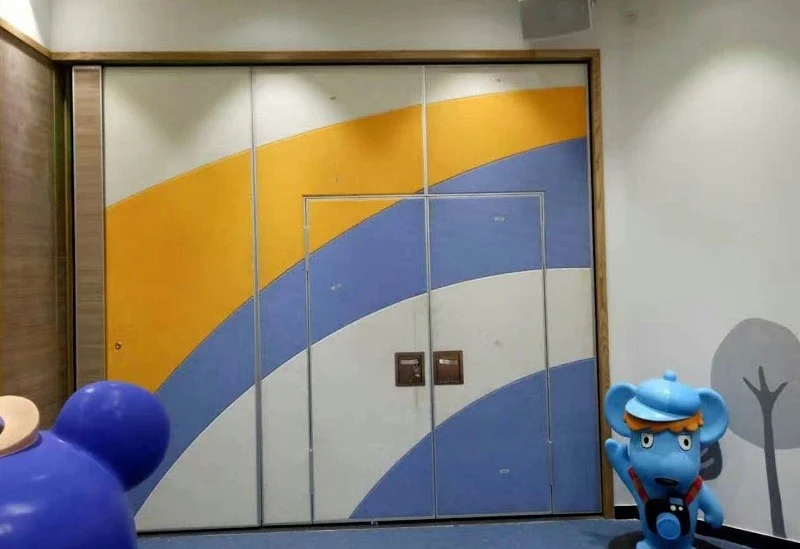
| Query type | Retrospective action | Evidence needed |
|---|---|---|
| Movement route | Confirm continuous connected overhead route on coordinated layout | Project-specific support and route review |
| Parking position | Verify stacking location is drawn and coordinated | Layout confirmation and project review |
| Finish selection | Record approved finish option and any open questions | Project-specific approval |
| Acoustic requirement | Flag for specialist review; define STC/Rw conceptually only | Project-specific acoustic confirmation |
| Pass-door need | Document requirement and discuss with relevant parties | Project-specific documentation |
Turning Findings into Better Next-Round Questions
A retrospective is only useful if it changes the next set of queries. Convert recurring gaps into standard prompts for the next drawing issue. For example, if parking positions were repeatedly unclear, add a parking-position check to the drawing review template. If finish approvals were scattered across emails, create a single finish register.
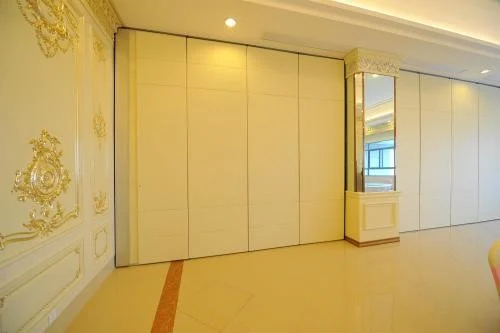
Keep the language precise. Say what is confirmed, what is proposed and what requires confirmation. Avoid implying that a coordination review has validated engineering, acoustic or commercial outcomes.
FAQ: Partition Interface Query Retrospectives
What is an architect partition interface query retrospective?
It is a structured review of the questions and drawing interfaces connected to a movable partition package. It helps teams separate confirmed information from open items and improve the next coordination cycle.
Does a retrospective confirm acoustic performance?
No. A retrospective can flag acoustic questions and record that they need specialist review, but it does not validate a rating or result.
How should movement routes be reviewed?
Review straight, turning and stacking routes together from the coordinated layout. Confirm that the overhead route is continuous and connected, and refer any support implications for project-specific review.
Can the retrospective approve finish selections?
It can record which finish options were discussed, such as laminate, melamine, fabric, leather, glass or other approved surfaces. Final approval remains project-specific and should follow the agreed documentation process.
What should the retrospective output include?
A clear action list showing confirmed items, open queries, responsible parties and the drawing or document where each answer should appear. It should also note any items requiring project-specific support, acoustic or dimensional confirmation.
Where can teams find more coordination resources?
Review the EBUNGE resources for general planning context, and discuss project-specific requirements through the contact page. Product information for movable walls is available on the movable walls page.
Conclusion: Make the Retrospective a Coordination Habit
It helps teams surface unclear routes, parking assumptions, finish questions and pass-door needs before they become late-stage surprises. Keep every recommendation tied to maintained product facts, visible evidence limits and project-specific drawing review. Confirm support, acoustic and dimensional requirements for each project, and avoid treating a coordination review as a performance guarantee.
To discuss pass-door requirements, project documentation or layout coordination for your next flexible-space project, contact EBUNGE and share your drawings for a project-specific conversation.