
Quick answer: architect partition interface decision log
Review focus: architect partition interface decision log.
An architect partition interface decision log before tender is a controlled record of the assumptions, drawing references and open questions that shape how a movable wall meets the building. It is not a performance certificate and it is not a substitute for project-specific engineering. Its purpose is to stop tenderers from pricing different interpretations of the same opening.
Movable wall panels are individually movable, suspended from a top track, cross the opening without a floor track, and park at a planned stacking position. Those four facts already generate interface questions: where the track is supported, how the route turns, where panels rest when the room is open, and how the finished floor remains clear. Logging those questions early keeps the tender comparable.
Why a Decision Log Belongs in the Tender Package
Project review term: architect partition interface decision log.
A tender package that shows only a partition line invites each bidder to invent the missing interfaces. The exact route, junction arrangement, continuous overhead path and parking position must be confirmed from the coordinated project drawings. The result is not a competitive tender but a set of incompatible offers.
A decision log separates confirmed decisions from items still requiring confirmation. It also gives the wider design team a single reference for coordination with structure, ceiling, finishes and services. The log should state what is known, what is assumed, and who must confirm the remainder.
What the log is not
The suitability of each route and parking arrangement depends on the approved layout, circulation, ceiling interfaces and operating sequence. Those require matching evidence and project-specific review. The log simply records the interface decisions that the evidence must later support.
Start With the Movement Route, Not the Panel Finish
Coordination scope: architect partition interface decision log.
Finish selection is visible and often discussed first, but the movement route determines whether the concept is buildable. Straight, turning and stacking routes are reviewed from the layout.
Before tender, sketch the route on the architectural plan and mark every change of direction. Then mark the parking position and check what else occupies that space.
Questions to answer on the drawing
- Does the route remain continuous from the closed position to the parking position?
- Does any turning point coincide with a structural or services constraint?
- Is the parking position shown at the correct scale, including the space needed to manoeuvre panels into it?
- Does the finished floor remain clear along the partition line?
Record the Interface Categories in a Fixed Order
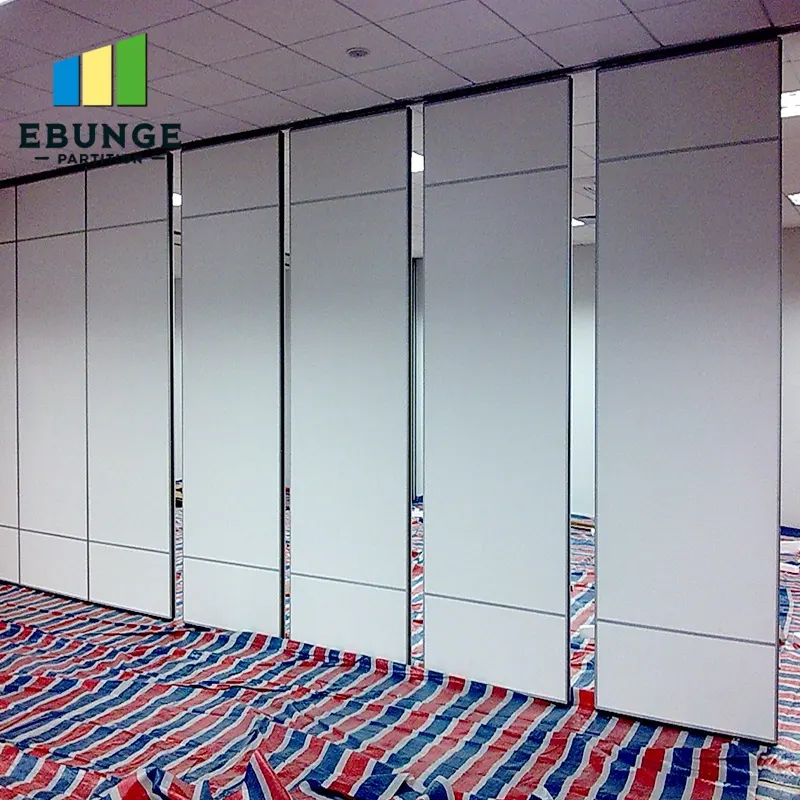
Checklist focus: architect partition interface decision log.
A consistent order makes the log usable across multiple openings and multiple projects. The following sequence keeps the focus on coordination rather than product selection.
- Opening geometry: clear width, height and the relationship to adjacent walls.
- Overhead route: straight, turning or combined, with each change of direction noted.
- Parking position: location, orientation and any conflict with fixed elements.
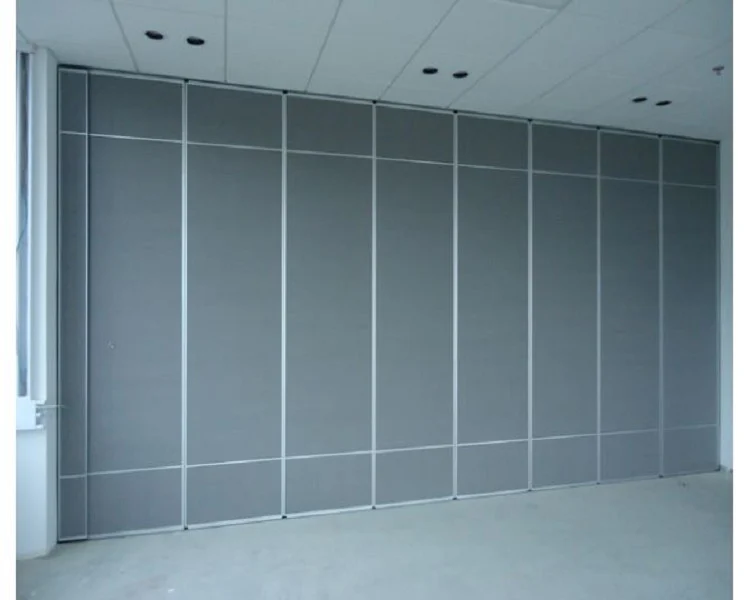
- Finish and appearance: laminate, melamine, fabric, leather, glass or another approved surface, recorded as a selection rather than a performance claim.
- Pass-door requirement: whether a pass door is needed and where it sits in the panel arrangement.
- Documentation: drawings, schedules and questions to be issued with the tender.
Each line should carry a status: confirmed, assumed or open. An assumed item is a risk that the tenderer may price differently. An open item is a question that must be answered before comparison.
Use an Evidence Note for Every Performance Statement
Review focus: architect partition interface decision log.
If a project requires an acoustic target, the log should record the requirement and the evidence needed to demonstrate it, not an inferred figure.
Evidence note: Any acoustic, structural, fire or durability statement in the tender package should be traceable to project-specific documentation. Do not derive performance from a finish sample, a photograph or a generic product description. Where evidence is not yet available, mark the item open and state who will confirm it.
This discipline protects the architect and the bidder. It also prevents a tender comparison from rewarding the least cautious assumption.
Coordinate the Log With the Wider Design Team
Project review term: architect partition interface decision log.
The partition interface rarely belongs to one discipline. The ceiling zone may be shared with services; the parking position may affect furniture layouts; the finished floor may be specified by another consultant. The log should name the reviewer for each interface.
A short review at concept, developed design and tender issue keeps the record current and prevents stale assumptions from surviving into the contract.
Compact comparison: confirmed, assumed and open
| Status | Meaning | Tender action |
|---|---|---|
| Confirmed | Decision recorded and coordinated with the relevant reviewer | Price as shown |
| Assumed | Reasonable working assumption not yet verified | Flag and price with stated basis |
| Open | Question requiring project-specific confirmation | Do not close; request clarification |
This simple table prevents an assumption from being treated as a confirmed instruction. It also gives bidders a clear route to ask questions rather than guess.
Prepare the Tender Issue Checklist
Before issuing, check that the log and the drawings tell the same story. The following checklist is deliberately short so that it is actually used.
- The route is drawn continuously from closed position to parking position.
- Every change of direction is marked and reviewed.
- The parking position is shown and checked against fixed elements.
- Finish selections are listed as selections, not performance claims.
- Pass-door requirements are stated or explicitly marked as not required.
- Open items are listed with the reviewer responsible for closing them.
- Project-specific support, acoustic and dimensional requirements are identified for confirmation.
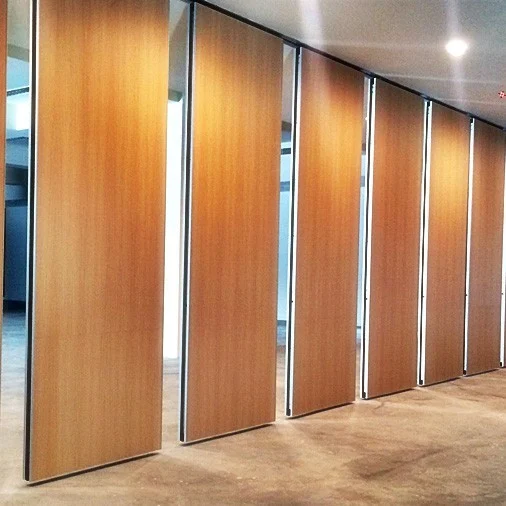
For product context, see the movable walls range. For general planning material, the resources page provides background reading. If the log raises questions that need project-specific discussion, contact the team.
Frequently Asked Questions
What is an architect partition interface decision log before tender?
It is a structured record of the interface decisions that affect how a movable partition meets the building, including route, support zone, parking position, finishes and pass-door requirements. It separates confirmed decisions from assumptions and open questions.
Does the log need to include acoustic performance figures?
Only where project-specific evidence exists. Record the requirement and the evidence needed rather than an inferred number.
Why is the movement route more important than the finish at tender stage?
The route determines whether the concept can be built and supported. Straight, turning and stacking routes are reviewed from the layout, and every route needs a continuous connected overhead path. Finish selection is important but does not resolve route coordination.
Can panels cross a gap in the overhead route?
No. Every proposed movement path requires a continuous connected overhead route and project-specific support review.
How should assumed items be treated in the tender?
Mark them as assumed, state the basis, and ask bidders to flag any difference. Assumed items should not be presented as confirmed instructions, because that removes the bidder’s ability to price the actual scope.
What finish options can be recorded in the log?
Confirmed options include laminate, melamine, fabric, leather, glass and other approved surfaces.
Conclusion: A Log That Keeps the Tender Honest
A decision log does not replace drawings, specifications or engineering review. It makes the boundaries visible. When the route, support zone, parking position and open questions are recorded before tender, bidders price the same coordinated scope and the architect retains control of the interfaces.
Confirm project-specific support, acoustic and dimensional requirements with the relevant specialists before finalising the tender package. For movable partition planning and documentation discussions, contact EBUNGE.