
Quick answer: architect coordination track interface query close-out before tender
Review focus: architect coordination track interface query close-out before tender.
An open track interface query can delay a tender because bidders cannot price or plan around an unresolved overhead condition. For architect coordination track interface query close-out before tender, the goal is not to answer every technical question in the drawing set. The exact route, junction arrangement, continuous overhead path and parking position must be confirmed from the coordinated project drawings.
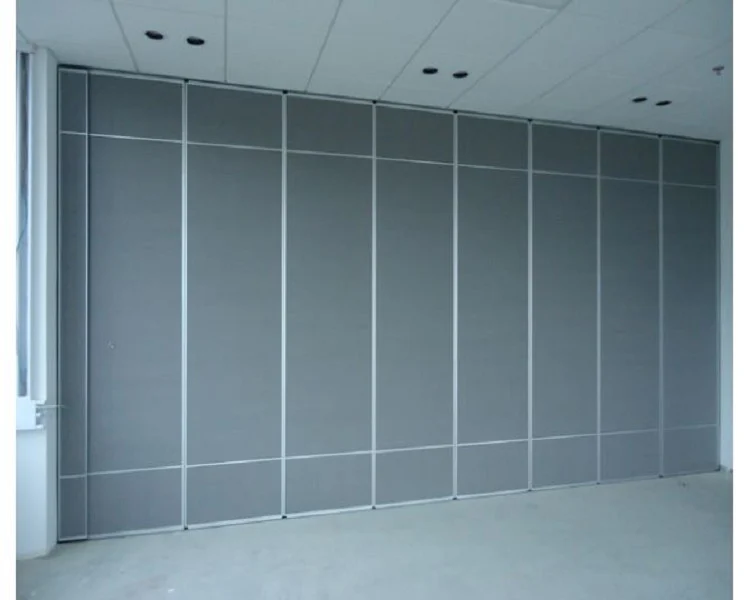
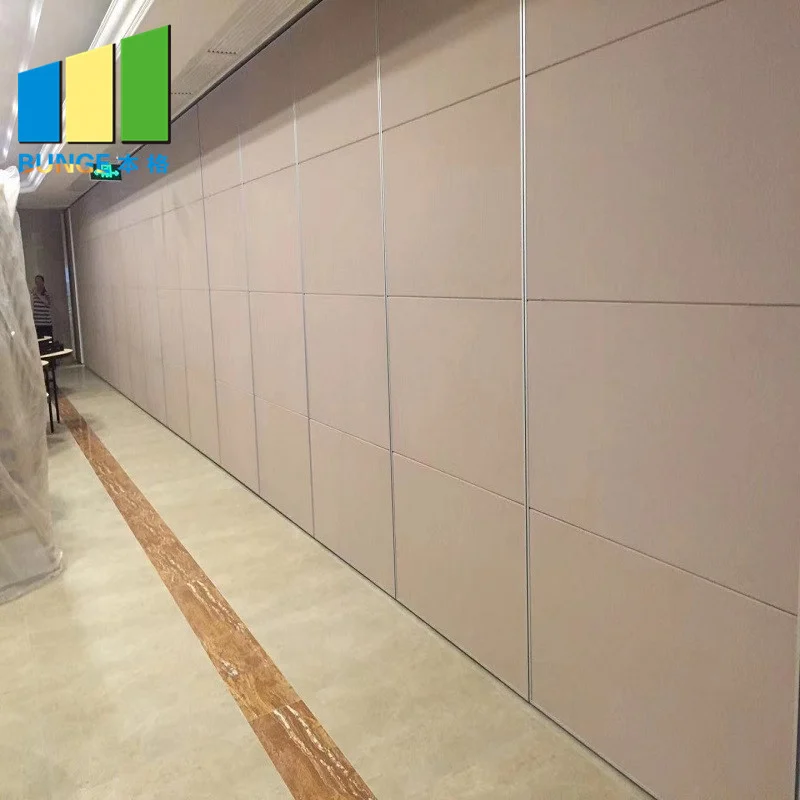
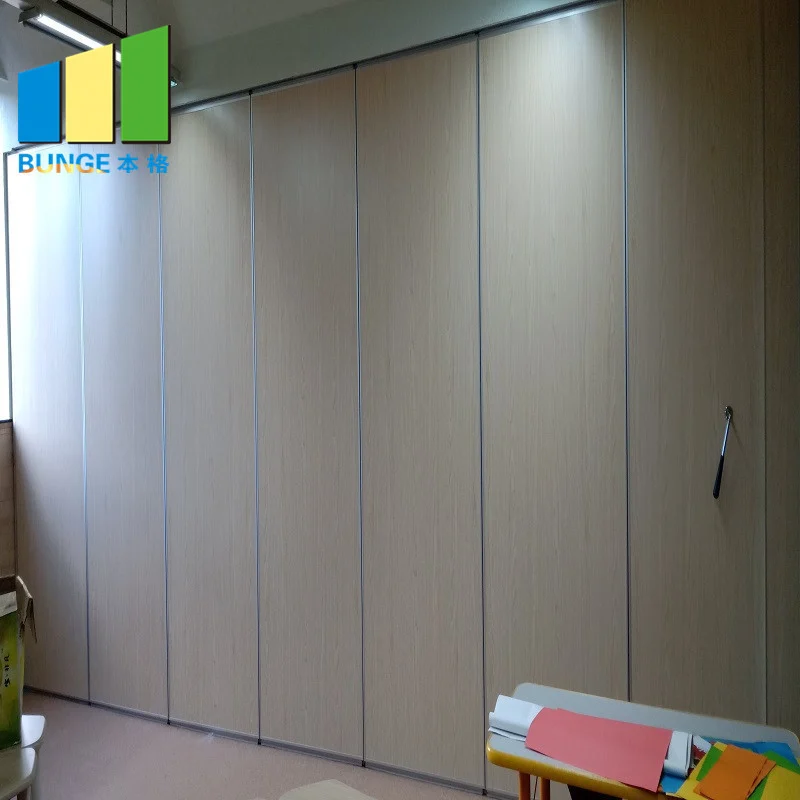
This guide uses maintained EBUNGE product facts: movable wall panels are individually movable, suspended from a top track, cross the opening without a floor track, and park at a planned stacking position. Straight, turning and stacking routes are reviewed from the layout. Finish options include laminate, melamine, fabric, leather, glass and other approved surfaces. Pass-door requirements and project documentation can be discussed. Everything else must be confirmed against project-specific support, acoustic and dimensional requirements.
Why Track Interface Queries Stay Open Until Tender
Project review term: architect coordination track interface query close-out before tender.
Track interface queries often remain open because they sit between disciplines. The suitability of each route and parking arrangement depends on the approved layout, circulation, ceiling interfaces and operating sequence. The exact overhead route and support arrangement must be confirmed by the responsible project team from coordinated drawings.
A close-out process should separate three things: what is known from the maintained product facts, what is shown on the current drawings, and what still requires project-specific confirmation. That separation prevents a drawing note from being read as an engineering conclusion.
What the product facts do and do not establish
The maintained facts establish that panels are top-hung and move without a continuous floor running track along the partition line. Those items require project-specific review.
A Drawing-Led Close-Out Workflow
Coordination scope: architect coordination track interface query close-out before tender.
Use a short, repeatable sequence so queries are closed with evidence rather than assumption. The steps below keep the focus on coordination and do not replace engineering review.
- Trace the full movement route. Mark the straight, turning and stacking paths on the layout. Confirm that every proposed path has a continuous connected overhead route.
- Identify the support interface. Note where the top track meets structure or a supporting element. Flag the support condition for project-specific review rather than inferring capacity from a drawing.
- Check the parking position. Confirm where panels will stack and whether the coordinated design permits compact stacking. Parking style is customized to the layout and project requirements.
- Review finish and pass-door needs. Record the intended finish from the approved options and note any pass-door requirement for discussion.
- List open items with owners. Assign each query to the party responsible for confirmation and set a date before tender issue.
Keep the query log visible
Each entry should state the question, the drawing reference, the required confirmation and the current status.
Decision Checklist for the Tender Package
Checklist focus: architect coordination track interface query close-out before tender.
Before issuing the tender, confirm that the following items are either resolved or explicitly marked as requiring project-specific confirmation.
- Movement route: straight, turning and stacking paths are drawn and reviewed from the layout.
- Overhead continuity: every proposed path has a continuous connected overhead route.
- Parking position: the planned stacking location is shown and coordinated.
- Finish: the intended surface is selected from laminate, melamine, fabric, leather, glass or another approved option.
- Pass-door: any requirement is recorded for discussion.
- Documentation: the project documentation set is listed and referenced.
- Open items: each remaining query has an owner and a close-out date.
Evidence Boundaries Architects Should State Clearly
Review focus: architect coordination track interface query close-out before tender.
An evidence boundary is a short statement that prevents a coordination drawing from being read as a performance promise. It protects the tender process because bidders know what they are pricing and what remains subject to confirmation.
For example, a drawing may show a top track route and a parking position.
Statements that need project-specific evidence
| Statement type | Close-out action |
|---|---|
| Support capacity or structural adequacy | Refer to project-specific structural review; do not infer from drawings. |
| Acoustic performance | Confirm project-specific acoustic requirements; do not promise soundproofing. |
| Dimensional limits | Confirm against the coordinated layout and project requirements. |
| Finish suitability | Confirm the selected finish and its project-specific suitability. |
| Installation sequence | Confirm with the project team; do not assume from a generic example. |
How to Write the Close-Out Note
Project review term: architect coordination track interface query close-out before tender.
A close-out note should be short enough to read at a glance and specific enough to prevent reopening. It can follow a simple structure: query reference, current status, evidence used, remaining confirmation and responsible party.
Where a query cannot be closed before tender, state the boundary directly. For example: the overhead route is shown for coordination; support and acoustic requirements remain subject to project-specific confirmation. This is more useful to bidders than a vague note that implies the matter is resolved.
Coordinate with the wider project team
Track interface close-out is a coordination task, not a single-discipline deliverable.
Frequently Asked Questions
What is the first step in closing a track interface query before tender?
Trace the full movement route on the layout and confirm that every proposed path has a continuous connected overhead route. Then identify the support interface for project-specific review.
Can a drawing alone confirm acoustic performance?
No. Visible references can support layout discussion but do not verify hidden construction or performance.
Do movable partitions need a floor track?
The maintained product facts state that panels are top-hung and move without a continuous floor running track along the partition line. Any project-specific condition should still be confirmed against the coordinated layout.
How should parking and stacking be addressed before tender?
Show the planned parking position on the layout and confirm that the coordinated design permits the intended stacking arrangement. Parking style is customized to the layout and project requirements.
What finish information should be included in the tender package?
Record the intended finish from the approved options, such as laminate, melamine, fabric, leather, glass or another approved surface, and note that project-specific suitability requires confirmation.
When should a query remain open at tender?
If the answer depends on project-specific support, acoustic or dimensional confirmation, state that boundary clearly rather than closing the query with an assumption.
Conclusion and Next Step
Closing track interface queries before tender is a drawing-led coordination exercise. Use the movement route, support interface, parking position and finish selections as the backbone of the close-out, and mark every remaining item with an owner and a confirmation boundary.
To discuss pass-door requirements, project documentation or the coordination of a specific layout, contact the EBUNGE team. You can also review the movable wall product context and the project resources before finalising the tender package.