
Quick project answer
Review focus: rfi origin tracking.
Architect coordination RFI origin tracking movable partition is a design-phase discipline: every request for information about track, stack or ceiling interfaces is logged with its origin and attributed to the discipline that must resolve it. Panel handling and the operating sequence must be confirmed for the selected layout and project conditions. This framework is written for overseas contractors, architects, interior designers, owners and renovation teams who must route interface questions without inventing performance, engineering or commercial conclusions.
Why RFI Origin Tracking Belongs in the Design Phase
Project review term: rfi origin tracking.
Movable partition panels are individually movable, suspended from a top track, cross the opening without a floor track, and park at a planned stacking position. Those four facts create interfaces with structure, ceiling, finishes and adjacent trades. When an RFI is answered only as a one-off, the same interface question returns on the next drawing revision.
Origin tracking changes the pattern. The suitability of each route and parking arrangement depends on the approved layout, circulation, ceiling interfaces and operating sequence. Discipline attribution then names who owns the resolution. Over several revisions, the log shows whether gaps cluster around one interface type or one drawing package.
Defining the RFI Log Fields Before the First Question
Coordination scope: rfi origin tracking.
A log is only useful if its fields are agreed before questions arrive. Keep the schema short enough to maintain and specific enough to route. The following fields are a practical starting set for movable partition coordination.
- RFI reference: a unique number tied to the drawing revision that triggered it.
- Origin: the drawing, model, specification clause or site condition where the question first appeared.
- Interface type: track route, stacking position, ceiling interface, finish transition or pass-door requirement.
- Discipline attribution: the party expected to resolve or confirm.
- Route status: straight, turning or stacking route under review.
- Evidence needed: the drawing, layout or project-specific confirmation still missing.
- Closure note: what was confirmed and what remains project-specific.
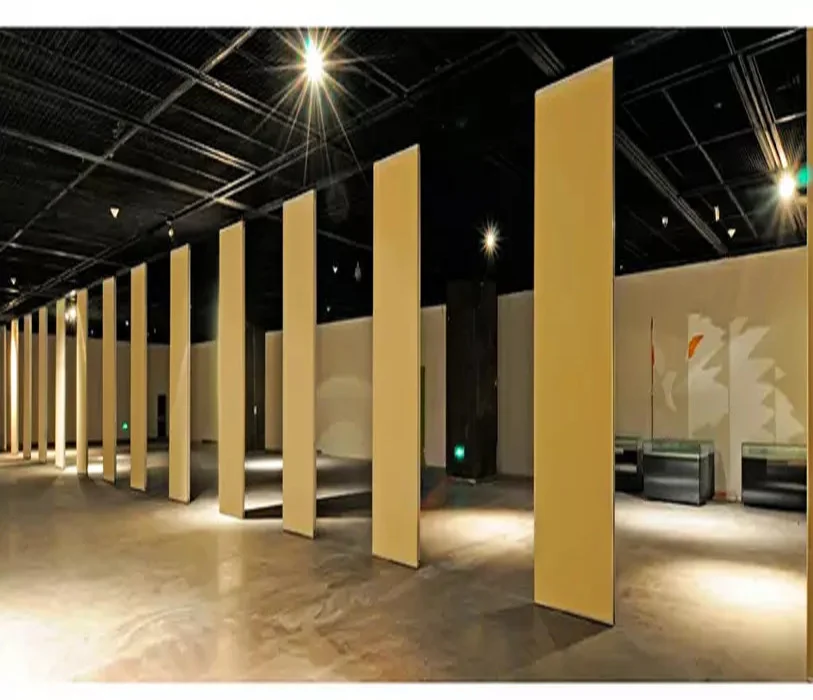
Fields such as route status matter because straight, turning and stacking routes are reviewed from the layout. The exact route, junction arrangement, continuous overhead path and parking position must be confirmed from the coordinated project drawings.
Attributing Track and Support Questions to the Right Discipline
Track questions often arrive as one RFI but contain several disciplines.
Structural and ceiling coordination
Questions about how a top track relates to the ceiling zone belong with the discipline responsible for that zone. The log should record the interface, not infer support capacity. Project-specific support requirements must be confirmed against the actual structure and ceiling design.
Architectural and finish coordination
Finish transitions, visible edges and stacking pocket treatment sit with the architectural team.
Acoustic interface questions
Where acoustic separation matters, the log should flag that project-specific acoustic requirements need their own confirmation.
A Numbered Workflow for Logging and Routing RFIs
- Capture the RFI at intake with its drawing revision and origin location.
- Classify the interface type before assigning any discipline.
- Split multi-discipline questions into separate line items.
- Attribute each line to the discipline expected to resolve it.
- Record the route status: straight, turning or stacking.
- State the evidence still required, including any project-specific support, acoustic or dimensional confirmation.
- Review the log before each drawing issue and before tender.
- Close items only when the confirmation boundary is written down.
This sequence keeps the log honest. It also makes recurring gaps visible: if stacking questions keep returning to the architectural team, the next design review can address the stacking position earlier.
Reading the Log for Recurring Coordination Gaps
After several revisions, sort the log by interface type and discipline. A cluster of finish-transition questions may indicate that the stacking position was set before finishes were selected.
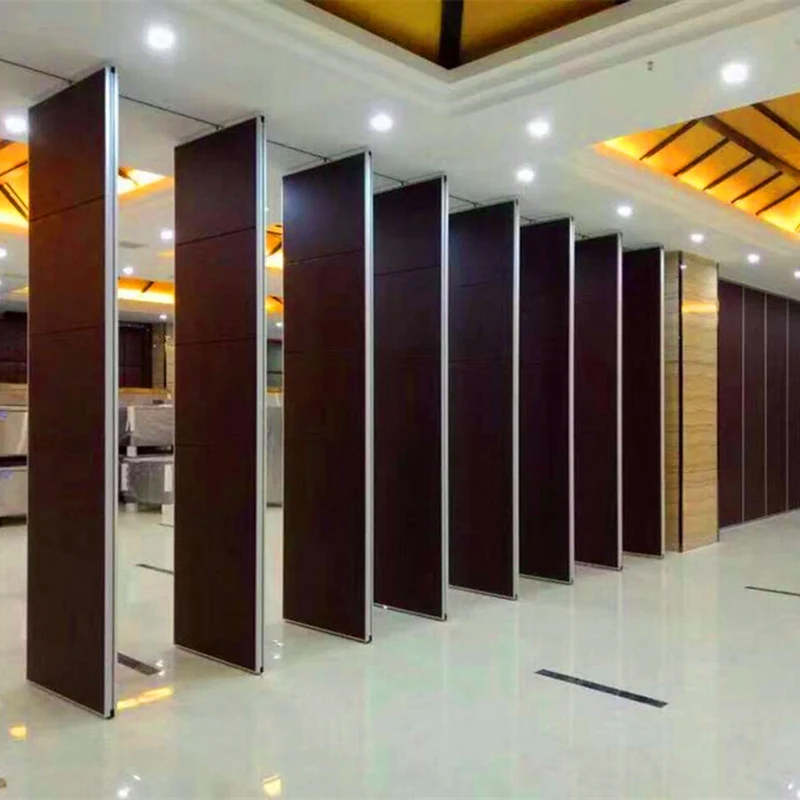
Do not convert these patterns into performance claims. The log shows coordination behaviour, not acoustic results, load capacity or installation outcomes. Its value is routing: the right discipline sees the question before tender, when changes are still drawings rather than site instructions.
Evidence Boundaries to Write Into Every RFI Response
Confirm project-specific support, acoustic and dimensional requirements against the actual layout, structure and ceiling design. A generic finish, drawing or application example is not evidence of performance, capacity or a application reference.
Every response should state what was confirmed and what remains open. Pass-door requirements and project documentation can be discussed with the supplier, but the resolution still depends on the project drawings.
Using the Log Before Tender
Before tender, review open items by discipline. Confirm that track routes, stacking positions and ceiling interfaces are documented in the drawing set. Check that finish selections are recorded as selections, not as performance evidence. Confirm that any acoustic or dimensional requirement is marked for project-specific verification.
This review is also the moment to align the specification with the layout. Straight, turning and stacking routes should be traceable from the drawings, and the parking position should be shown where the coordinated design permits compact stacking. The log then becomes a tender-readiness checklist rather than a record of unresolved questions.
Frequently Asked Questions
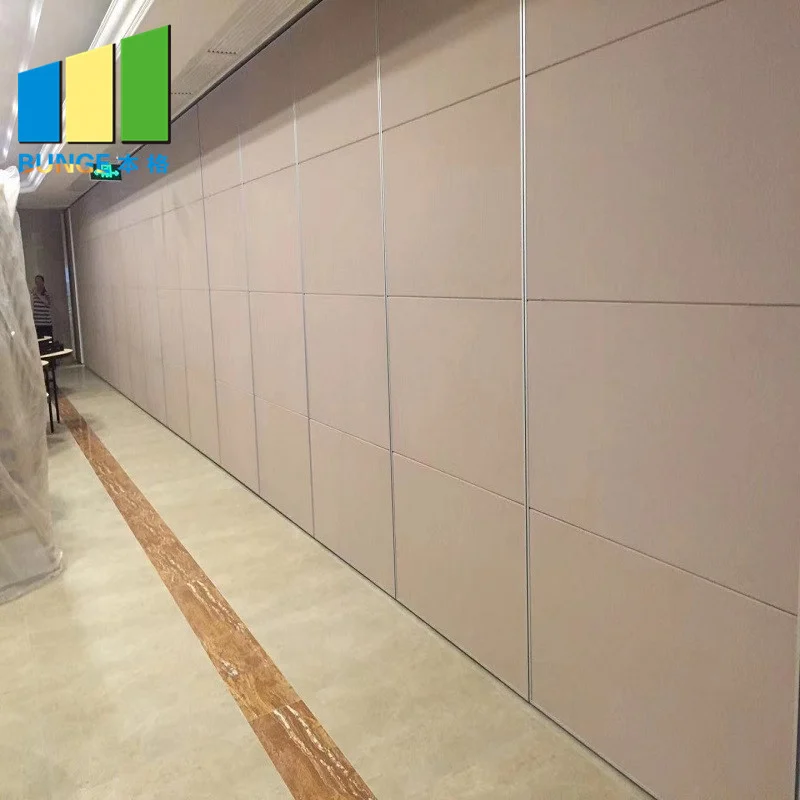
What is RFI origin tracking in movable partition coordination?
It is the practice of recording where each design-phase RFI started and which discipline must resolve it, so recurring interface gaps can be identified before tender.
Which interfaces generate the most movable partition RFIs?
Track routes, stacking positions, ceiling interfaces, finish transitions and pass-door requirements are common sources. The pattern depends on the project layout and drawing set.
Can the RFI log confirm acoustic performance?
No.
How should multi-discipline RFIs be handled?
Split them at intake. Attribute each line to the discipline expected to resolve it, and record the evidence still required for each part.
When should the log be reviewed?
Review it before each drawing issue and again before tender, so open items are routed while changes remain in the design phase.
Does a finish selection prove anything about performance?
No.
Conclusion and Next Step
Architect coordination RFI origin tracking movable partition works when the log is simple, the discipline attribution is explicit and every response states its confirmation boundary. Start with the fields above, review the log before each drawing issue, and route recurring gaps to the responsible discipline before tender.
To discuss pass-door requirements, project documentation or layout-specific coordination for your next flexible-space project, contact the EBUNGE team. You can also review the movable wall product context and the project planning resources before your next design review.