
Quick project answer
Review focus: architect coordination raci.
The suitability of each route and parking arrangement depends on the approved layout, circulation, ceiling interfaces and operating sequence. The architect coordination RACI track interface partition drawings process exists to answer one question: who is responsible for each decision that makes the overhead route work? Without a clear RACI, assumptions fill the gap, and assumptions are not evidence. This article provides a coordination framework for overseas contractors, architects, interior designers, owners, and construction teams. It does not replace project-specific engineering, acoustic, or dimensional confirmation. Instead, it helps you assign ownership so that the right parties confirm the right details at the right time.
Why the Track Interface Needs a RACI
Project review term: architect coordination raci.
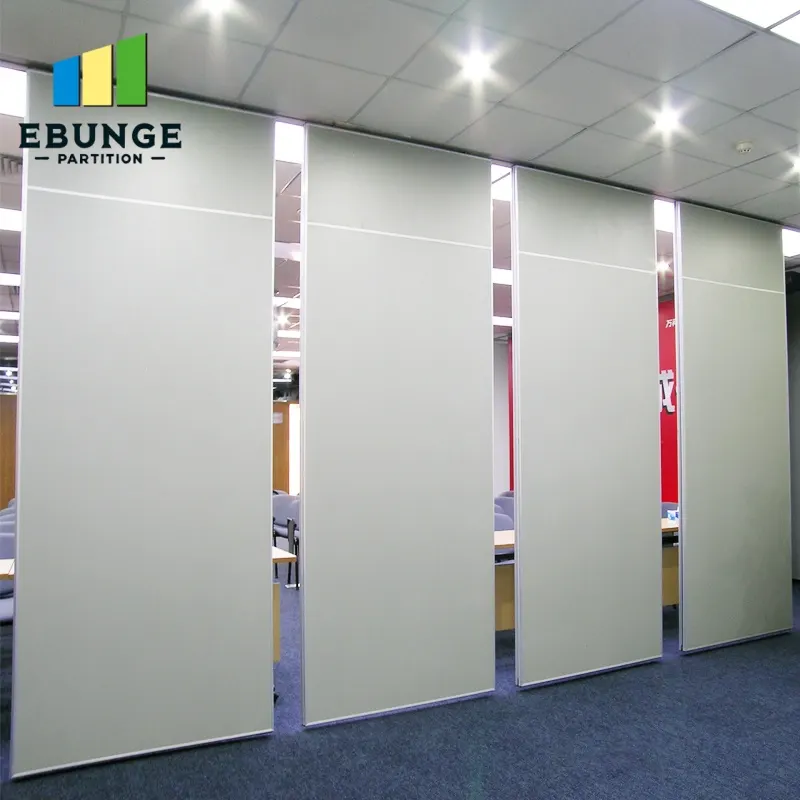
Movable wall panels are individually movable, suspended from a top track, cross the opening without a floor track, and park at a planned stacking position. That simple description hides a coordination chain: the track must be supported, the route must be continuous, and the parking area must be planned. If no one owns the interface between the partition system and the building structure, drawings can show a partition that cannot physically operate as drawn.
A RACI matrix assigns Responsible, Accountable, Consulted, and Informed roles. It is not a substitute for engineering judgment. It is a communication tool that makes ownership visible before fabrication and installation.
Defining the Track Interface Scope
Coordination scope: architect coordination raci.
The track interface includes the overhead route, the support condition, the transition between straight, turning, and stacking routes, and the parking zone. Straight, turning, and stacking routes are reviewed from the layout. The exact route, junction arrangement, continuous overhead path and parking position must be confirmed from the coordinated project drawings.
Those are separate technical decisions.
What the RACI Should Cover
- Route ownership: Who confirms the continuous overhead path from opening to parking?
- Support ownership: Who confirms that the building structure can receive the track interface?
- Parking ownership: Who confirms the stacking position and its clearance?
- Drawing ownership: Who maintains the coordinated partition drawing set?
- Review ownership: Who signs off before release to fabrication?
A Practical RACI for Partition Drawings
Checklist focus: architect coordination raci.
The table below is a starting point. Project teams should adapt it to their contract structure and local regulations. It does not assign engineering responsibility to EBUNGE; it assigns coordination responsibility among the project team.
| Decision | Architect | Contractor | Partition Supplier | Owner |
|---|---|---|---|---|
| Overhead route layout | A | R | C | I |
| Structural support condition | C | A/R | C | I |
| Parking position and clearance | A | R | C | I |
| Finish selection | A | C | C | I |
| Pass-door requirements | A | C | C | I |
| Final coordinated drawing release | A | R | C | I |
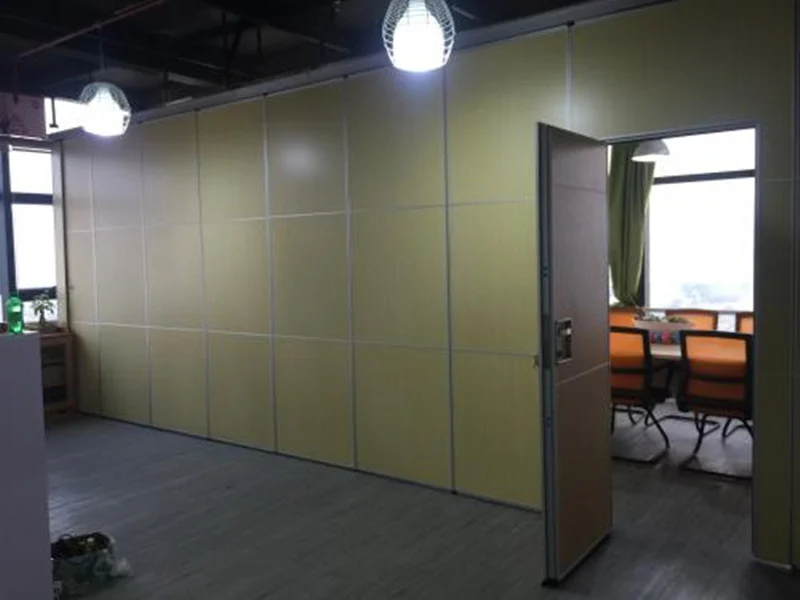
Key: R = Responsible, A = Accountable, C = Consulted, I = Informed. The partition supplier is consulted on interface feasibility, but the contractor and architect retain accountability for the building structure and layout.
Drawing Review Stages and Evidence Boundaries
Review focus: architect coordination raci.
Partition drawings typically pass through concept, coordination, and release stages. At each stage, the RACI should clarify what is being confirmed and what remains open. An evidence boundary is the line between what a drawing shows and what it proves. Visible references can support layout discussion but do not verify hidden construction or performance.
Concept Stage
Confirm the opening size, the intended movement direction, and the parking strategy. At this stage, straight, turning, and stacking routes should be sketched and reviewed from the layout. Do not assume that a route is feasible because it looks clear on a plan; confirm the overhead continuity and support condition.
Coordination Stage
This is where conflicts are resolved. The RACI should identify who runs clash detection and who approves the resolved route. If a conflict cannot be resolved, the drawing should show the open item rather than a default assumption.
Release Stage
Release the coordinated drawing set for fabrication and installation. The release should include the confirmed route, support condition, parking position, finish selection, and pass-door requirements. Any item not confirmed should be listed as an open item with a responsible party.
Common Coordination Gaps and How to Close Them
Project review term: architect coordination raci.
Most track interface problems come from gaps between disciplines, not from the partition system itself. Another is planning a parking position that conflicts with a door swing or a service riser.
To close these gaps, use a decision checklist at each drawing review. The checklist should ask: Is the overhead route continuous? Is the support condition confirmed by the responsible structural party? Is the parking position clear? Are pass-door requirements documented? Are finish selections recorded without implying performance? If any answer is no, the item stays open.
How to Use This RACI Without Overstepping Evidence
This RACI is a coordination tool, not a performance guarantee. Those require project-specific evidence from the responsible parties.
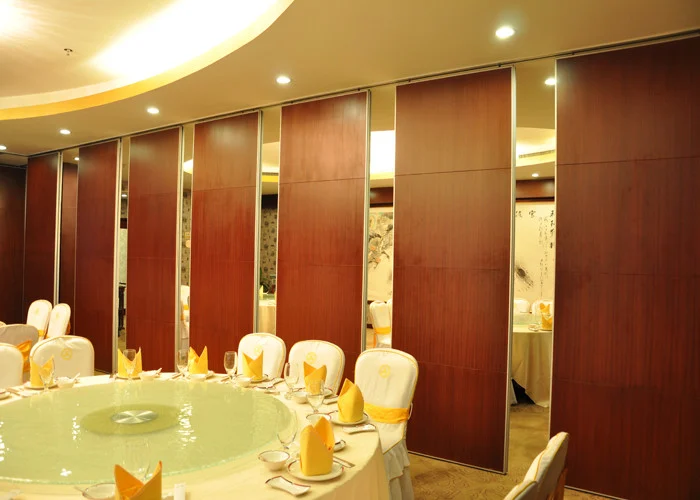
EBUNGE can discuss pass-door requirements and project documentation. Finish options include laminate, melamine, fabric, leather, glass, and other approved surfaces. These are maintained product facts. They do not replace the need for the project team to confirm support, acoustic, and dimensional requirements for the specific application.
FAQ: Architect Coordination RACI for Track Interface Partition Drawings
Who should be accountable for the track interface in a partition drawing set?
Accountability depends on the contract structure. The partition supplier is consulted on interface feasibility. The project team should confirm this split in the contract.
Does the partition supplier own the structural support design?
No. The RACI should assign that responsibility to the appropriate party.
How do we confirm that the overhead route is continuous?
Review the layout for straight, turning, and stacking routes. The route must be continuous from the opening to the parking position. Any gap must be resolved before release. This is a project-specific review, not a default assumption.
Can we specify acoustic performance from a finish selection?
No. Project-specific acoustic requirements should be confirmed with the responsible acoustic professional and supported by matching evidence.
What should be included in the final coordinated drawing release?
The release should include the confirmed route, support condition, parking position, finish selection, and pass-door requirements. Open items should be listed with responsible parties. The project team should confirm all dimensional and support requirements before fabrication.
How does EBUNGE support the coordination process?
EBUNGE can discuss pass-door requirements and project documentation. We can review the layout for straight, turning, and stacking routes and provide maintained product facts.
Conclusion: Coordination Is a Shared Responsibility
The track interface is not owned by a single party by default. It is owned by the project team through a clear RACI. By assigning responsibility for the route, support, parking, and drawing release, teams reduce the risk of assumptions becoming installation problems. Use the framework in this article as a starting point, then confirm every project-specific support, acoustic, and dimensional requirement with the responsible professionals.
For movable wall product information, visit our movable walls page. For additional planning resources, see our resources page. To discuss your project documentation and pass-door requirements, contact us.