
Quick answer: partition interface query aging report
Review focus: partition interface query aging report.
An architect coordination partition interface query aging report is a simple register that tracks every unresolved question about how a movable partition meets adjacent construction. It records who asked, what drawing or detail is affected, when the query was raised, and what evidence is still missing. The suitability of each route and parking arrangement depends on the approved layout, circulation, ceiling interfaces and operating sequence. It shows where coordination is stuck so the project team can request the right information before fabrication or installation planning advances.
Why Interface Queries Age Poorly on Movable Wall Projects
Project review term: partition interface query aging report.
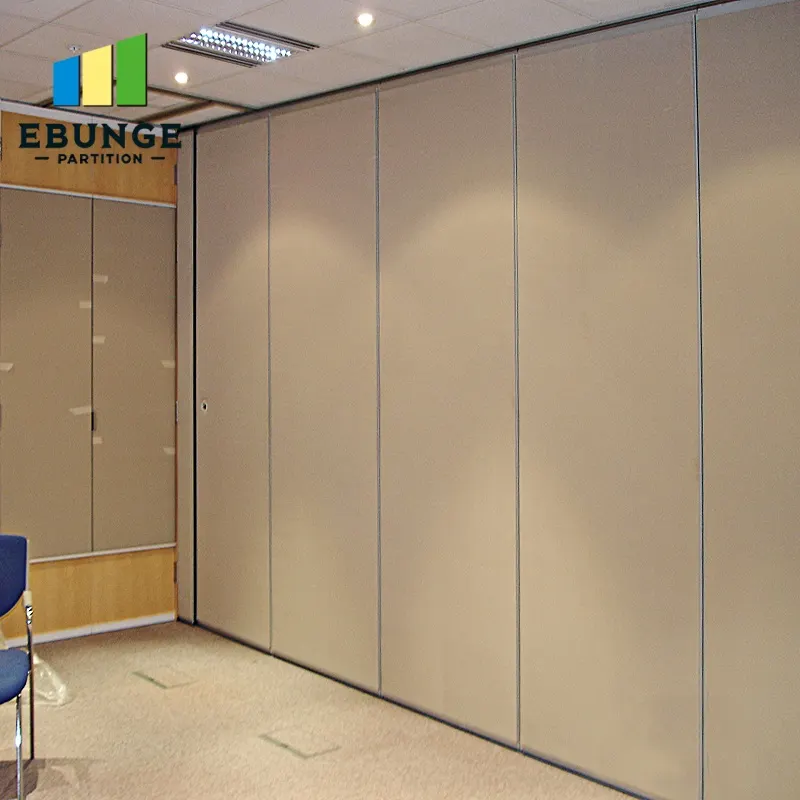
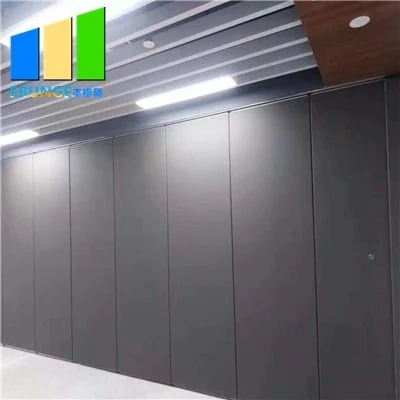
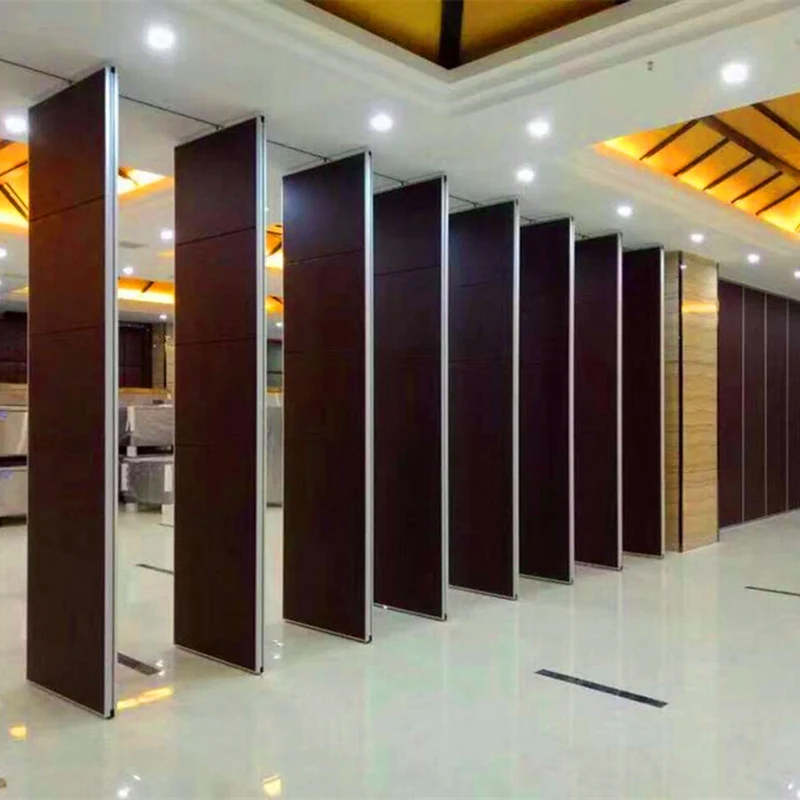
Movable partitions are top-hung and travel without a continuous floor track along the partition line. That single fact changes how interfaces are reviewed. The overhead route, the parking position, and the adjacent wall or ceiling conditions all need coordinated drawings.
Aging queries also hide ownership. Without an aging report, both look like general coordination noise. With one, the team can see which discipline owes a response and which drawing revision depends on it.
What the Aging Report Should Contain
Coordination scope: partition interface query aging report.
Keep the report lean. It is a coordination tool, not a substitute for the drawing set. Each row should point to a specific drawing, detail, or specification section. Avoid vague entries such as “partition issue” because they cannot be closed with evidence.
- Query ID and date raised: a unique reference and the original issue date.
- Interface location: grid line, room name, or detail reference where the partition meets other construction.
- Query owner and responder: who raised it and which discipline must answer.
- Evidence required: drawing, layout confirmation, finish approval, or project-specific support review.
- Age band: for example 0-7 days, 8-14 days, 15-30 days, and over 30 days.
- Status and next action: open, answered, superseded, or closed with a linked document.
A Five-Step Process for Running the Report
Checklist focus: partition interface query aging report.
- Extract queries from the current drawing set. Walk each movable wall elevation and mark every point where the partition meets structure, ceiling, floor finish, or adjacent wall.
- Classify by interface type. Separate route and support questions from finish, pass-door, and dimensional questions so each goes to the right reviewer.
- Assign an age band and review rhythm. A weekly review is usually enough to spot items that are not moving.
- Request evidence, not opinions. Ask for a marked-up drawing, a confirmed layout, or a written project-specific confirmation rather than a verbal assurance.
- Close with a linked document. A query is closed only when the answer is attached to the report and reflected in the drawing revision.
Separating Maintained Facts from Project Assumptions
EBUNGE movable wall panels are individually movable, suspended from a top track, cross the opening without a floor track, and park at a planned stacking position. Straight, turning, and stacking routes are reviewed from the layout. Confirmed finish options include laminate, melamine, fabric, leather, glass, and other approved surfaces. Pass-door requirements and project documentation can be discussed.
Everything else needs project-specific confirmation. The exact overhead route and support arrangement must be confirmed by the responsible project team from coordinated drawings. Confirm acoustic, support, and dimensional requirements with the responsible parties before relying on them.
Using Age Bands to Prioritize Coordination
Age bands are not a performance measure. They are a visibility tool. A query that stays open across two drawing revisions is more likely to affect procurement, fabrication, or site sequencing than one raised yesterday. The report should make that difference obvious at a glance.
| Age band | Typical coordination action | Evidence to request |
|---|---|---|
| 0-7 days | Confirm the query is complete and routed correctly | Drawing reference and responsible discipline |
| 8-14 days | Escalate to the design lead if no response | Marked-up detail or written confirmation |
| 15-30 days | Review impact on adjacent trades and drawing revisions | Updated layout or coordinated section |
| Over 30 days | Treat as a program risk and assign a named owner | Project-specific support and dimensional review |
Common Mistakes That Keep Queries Open
Treating a finish sample as interface evidence
A laminate or fabric sample confirms a surface option. Keep finish approvals separate from interface queries.
Assuming a floor guide is required
EBUNGE panels are top-hung and move without a continuous floor running track or floor hardware along the partition line. Do not add a floor guide to the detail unless the project-specific design confirms one. Instead, verify the overhead route and support conditions with the responsible engineer.
Leaving pass-door questions until late
Pass-door requirements affect panel layout, stacking, and adjacent room circulation. Raise them early and record the answer in the report so the door position is not treated as a field decision.
How to Review the Report in a Coordination Meeting
Review the oldest open items first. For each one, confirm the evidence required, the responder, and the next drawing revision where the answer should appear. Do not close a query because a verbal answer was given. Close it when the linked document is attached and the drawing reflects the agreed condition.
Use the report to prepare questions for the movable partition supplier. Ask for confirmation of the route, parking position, finish option, and pass-door requirements against the current layout. If the project needs documentation, request it through the project channel rather than assuming it exists.
FAQ
What is a partition interface query aging report?
It is a register that tracks unresolved coordination questions about how a movable partition meets adjacent construction, with dates, owners, evidence requirements, and age bands.
Does the report prove acoustic performance?
No. It tracks coordination status.
Should every movable wall query include a floor track detail?
No. EBUNGE panels are top-hung and cross the opening without a floor track. The report should focus on the overhead route, support conditions, and parking position instead.
How often should the report be updated?
Update it whenever a query is raised, answered, or superseded. Review open items at least weekly so aging items do not disappear into general coordination notes.
What evidence closes a query?
A linked document that resolves the question, such as a marked-up drawing, a confirmed layout, a finish approval, or written project-specific confirmation. Verbal answers alone should not close a row.
Can the report cover finishes and pass doors?
Yes. Confirmed finish options include laminate, melamine, fabric, leather, glass, and other approved surfaces. Pass-door requirements can be discussed and recorded as separate query types.
Conclusion
A well-run architect coordination partition interface query aging report keeps movable wall coordination visible. It separates maintained product facts from project assumptions, shows which queries are aging, and points to the evidence needed to close them. Confirm project-specific support, acoustic, and dimensional requirements with the responsible parties before finalizing details.
To discuss movable wall layouts, finishes, pass doors, or project documentation, contact EBUNGE. You can also review movable wall products and browse project resources for further planning context.