
Quick project answer
Review focus: response timeframe register.
An architect coordination interface query routing response timeframe register is a simple design-phase tool: it records every open question that crosses a discipline boundary, names who must answer it, and sets a realistic response window. The suitability of each route and parking arrangement depends on the approved layout, circulation, ceiling interfaces and operating sequence. It also keeps the evidence boundary visible, because not every question can be answered from a drawing alone.
This article sets out a coordination workflow for overseas B2B teams. It uses maintained EBUNGE product facts only and avoids unsupported performance, engineering or commercial conclusions. Confirm project-specific support, acoustic and dimensional requirements with the responsible parties before relying on any coordination outcome.
Why a Query Routing Register Matters in Movable Wall Design
Project review term: response timeframe register.
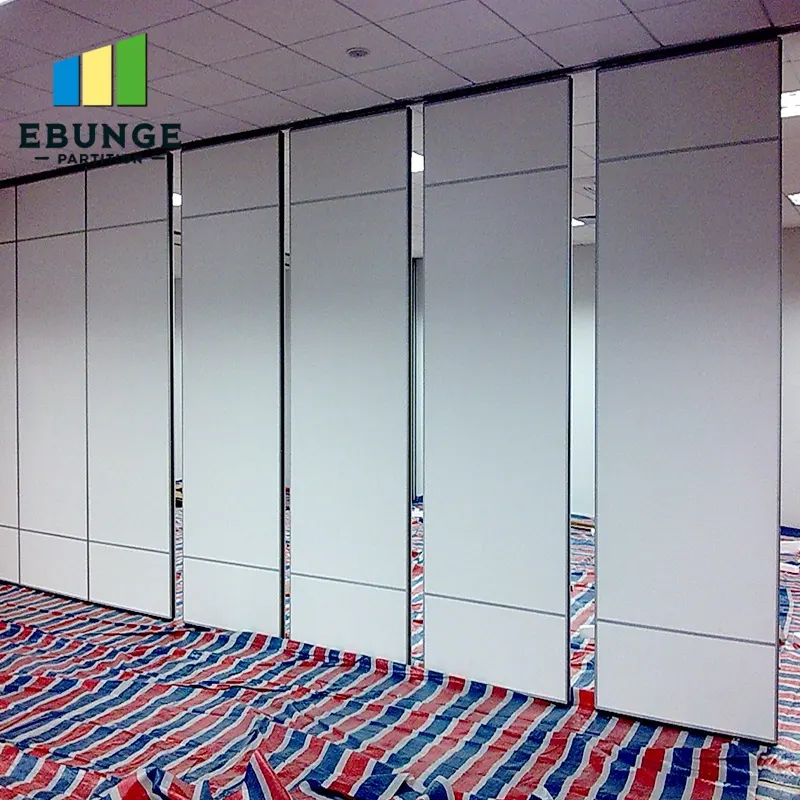
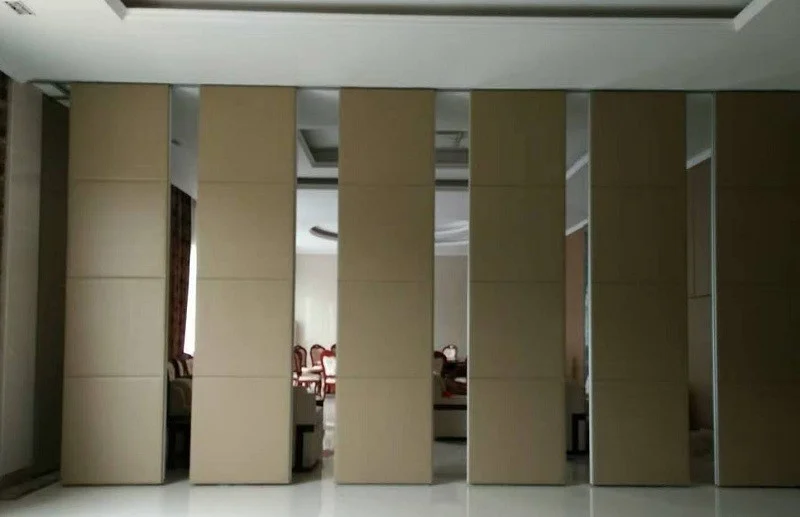
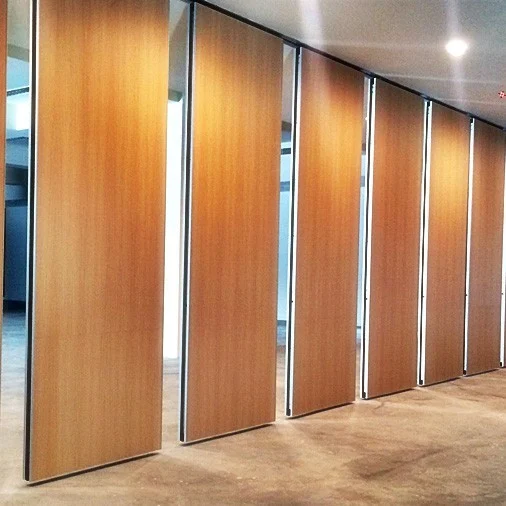
Movable partition panels are individually movable, suspended from a top track, cross the opening without a floor track, and park at a planned stacking position. That description is simple, but the interfaces around it are not. The overhead route, the parking zone, the finish selection and the pass-door requirement all touch different parties.
Without a register, questions arrive by email, chat and marked-up drawings. Answers may be partial or duplicated. A routing register gives each query a single owner and a visible status, so the design team can see what is still open before drawings are issued for the next stage.
What the register is not
Visible references can support layout discussion but do not verify hidden construction or performance. It is a coordination log that helps the right question reach the right person at the right time.
Defining the Interface Query Categories
Coordination scope: response timeframe register.
Group queries by the interface they affect. Panel handling and the operating sequence must be confirmed for the selected layout and project conditions.
- Layout and route: straight, turning and stacking routes reviewed from the layout; parking position and approach clearance.
- The exact route, junction arrangement, continuous overhead path and parking position must be confirmed from the coordinated project drawings.
- Finish and appearance: laminate, melamine, fabric, leather, glass and other approved surfaces.
- Pass-door and access: pass-door requirements discussed against the opening and adjacent rooms.
- Documentation: project documentation, drawing revisions and approval status.
Routing rules that keep queries moving
Route layout and stacking questions to the design lead. Route finish and pass-door questions to the specification owner. Route documentation questions to the project coordinator. If a query spans two categories, split it rather than sending one combined message.
Building the Response Timeframe Register
Checklist focus: response timeframe register.
A response timeframe is an agreed working target, not a contractual promise unless the contract says so. The register should show the query, the owner, the date raised, the target response date and the current status.
| Query type | Typical owner | Working response target | Evidence needed |
|---|---|---|---|
| Layout route and parking | Design lead | Agree at next coordination meeting | Current layout drawing |
| Overhead support review | Structural reviewer | Before drawing issue | Project-specific support information |
| Finish selection | Specification owner | Before finish schedule freeze | Approved surface sample or schedule |
| Pass-door requirement | Design lead and supplier | Before door schedule freeze | Opening and access requirement |
| Documentation status | Project coordinator | Weekly register review | Revision log and approval record |
Keep the register short. A long list that nobody updates is less useful than a focused list reviewed at every coordination meeting.
Evidence Boundaries for Interface Answers
Review focus: response timeframe register.
Some questions can be answered from maintained product facts. Others require project-specific evidence. The register should mark the difference clearly.
Comparative, absolute and causal statements require matching evidence. Where evidence is missing, record the exact confirmation boundary instead of inferring a result.
Questions that need project-specific confirmation
Confirm support, acoustic and dimensional requirements for the actual opening. Confirm that every proposed movement path has a continuous connected overhead route. Confirm the parking position against the real layout. Confirm finish suitability for the intended environment. Do not treat a generic application example as evidence of performance.
Running the Register Through Design Stages
- Concept stage: list the rooms or zones where flexible division is required, and note that named venues are examples only.
- Schematic stage: review straight, turning and stacking routes from the layout and open queries for any route that is not yet continuous.
- Detail stage: route support, finish and pass-door queries to their owners and set target response dates.
- Tender stage: check that project documentation reflects the latest answers and that open queries are visible.
- Pre-construction stage: close or formally carry over every query, and confirm project-specific support, acoustic and dimensional requirements.
Weekly review discipline
Review the register weekly. Close answered queries, reassign overdue ones and escalate any query that blocks a drawing issue. Record the decision, not just the reply, so later readers understand why a route or finish was chosen.
Coordinating Across Overseas Teams
Time zones and language differences make written routing more important. Use one register, one numbering system and one status vocabulary. Avoid side conversations that change a decision without updating the register.
When a query needs supplier input, send the layout, the relevant drawing extract and the specific question. Ask for a written response that can be pasted into the register.
FAQ: Architect Coordination Query Routing
What is an interface query routing register?
It is a design-phase log that records cross-discipline questions, assigns each to an owner and sets a working response target. It helps teams track open items before drawings are issued.
Which movable partition queries need project-specific evidence?
The exact overhead route and support arrangement must be confirmed by the responsible project team from coordinated drawings. Finish suitability, pass-door requirements and parking arrangements also depend on the actual layout and use.
Can a supplier answer every interface query from a drawing?
No. Where evidence is missing, the register should state the confirmation boundary.
How should STC or Rw be handled in the register?
Record the project-specific acoustic requirement and confirm it with the responsible acoustic specialist.
What should happen when a query is overdue?
Reassign it, escalate it to the coordination lead and note the impact on the drawing or approval stage. Do not let an overdue query disappear from the register.
Does a movable partition need a floor track?
EBUNGE movable partition panels are top-hung and move without a continuous floor running track or floor hardware along the partition line. Every proposed movement path still requires a continuous connected overhead route and project-specific support review.
Conclusion and Next Step
A routing and response timeframe register turns scattered interface questions into a managed design process. It keeps layout, support, finish and documentation queries visible, and it protects the project from unsupported assumptions. Start with a short register, review it weekly and confirm project-specific support, acoustic and dimensional requirements before drawings are frozen.
To discuss pass-door requirements, finish options or project documentation for your movable wall layout, contact the EBUNGE team. You can also review movable wall products and browse the resources library for further planning context.