
Quick project answer
Review focus: discipline response register.
The suitability of each route and parking arrangement depends on the approved layout, circulation, ceiling interfaces and operating sequence. It is not a performance document. It is a routing and evidence-tracking tool.
Why a Query Routing Register Matters on Movable Partition Projects
Project review term: discipline response register.
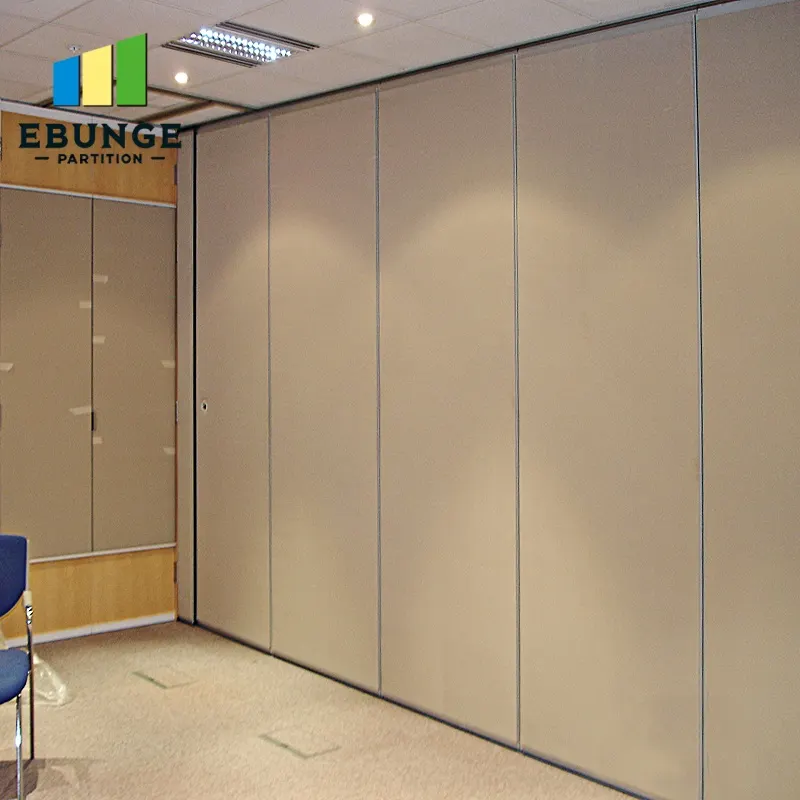
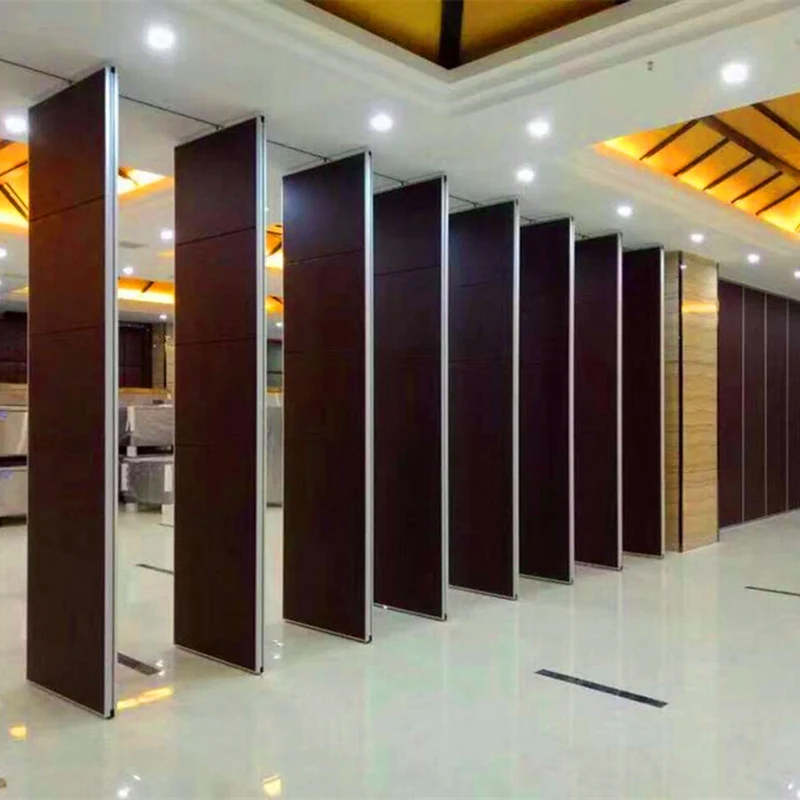
Movable partition panels are individually movable, suspended from a top track, cross the opening without a floor track, and park at a planned stacking position. That simple description hides a set of interfaces: the overhead route, the parking zone, the finish selection, and the pass-door requirement. Each interface touches a different discipline.
The register does not replace drawing review. It makes the review traceable. Every query gets an owner, a due date, a response, and a link to the drawing or specification that changed as a result.
Defining the Interface Query Before It Is Routed
Coordination scope: discipline response register.
A query is only routable when it is specific. “Can we have a movable wall here?” cannot be assigned. “Does the proposed stacking position conflict with the ceiling services shown on the reflected ceiling plan?” can be assigned to the MEP coordinator and the architect jointly.
Minimum query fields
- Query reference number and date raised.
- Room or zone, using the project’s own naming.
- Drawing or specification reference under review.
- The exact interface in question, stated as a single sentence.
- Discipline proposed as owner, with a fallback discipline.
- Required response date and the milestone it supports.
What a query should not contain
Those items require project-specific evidence and should be raised as separate evidence requests, not folded into a routing query.
Routing Rules by Discipline
Checklist focus: discipline response register.
Routing is a judgment call, but consistent rules reduce delay. The table below is a starting framework, not a contractual allocation of responsibility.
| Interface topic | Primary route | Secondary route |
|---|---|---|
| Overhead route continuity and support coordination | Structural engineer | Architect |
| Stacking position and adjacent room use | Architect | Owner representative |
| Finish selection and approved surface | Interior designer | Architect |
| Pass-door requirement and location | Architect | Contractor |
| Ceiling and services coordination above the track | MEP coordinator | Architect |
| Installation sequence and access | Contractor | Supplier |
Where a query touches more than one discipline, the register should record one accountable owner and list the others as contributors. Shared ownership without a named lead is a common cause of stalled responses.
Building the Discipline Response Register
Review focus: discipline response register.
The register is the log that sits behind the routing rules. It records what was asked, who answered, what changed, and whether the change was reflected in the next drawing issue.
Suggested register columns
- Query reference and date raised.
- Discipline owner and contributor disciplines.
- Response status: open, answered, superseded, or closed.
- Response summary in one or two sentences.
- Drawing or specification reference updated.
- Date closed and confirming initials.
The register should be reviewed at each design milestone. Queries that remain open across two milestones should be escalated rather than carried forward silently.
Evidence Boundaries in the Design Phase
Project review term: discipline response register.
Design coordination frequently drifts into performance assumption. A parking position on plan does not demonstrate that the overhead route is continuous and supported.
Evidence note: confirm project-specific support, acoustic and dimensional requirements with the responsible disciplines before treating any drawing as coordinated. Do not infer hidden performance from a visible finish, a photograph, or an unconfirmed layout.
Coordinating Finishes, Pass Doors and Parking
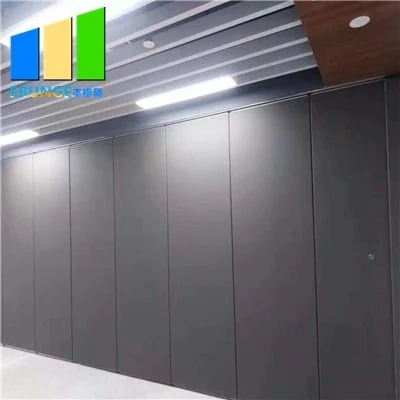
Confirmed finish options include laminate, melamine, fabric, leather, glass and other approved surfaces. The register should record which finish is proposed for which elevation, and whether the finish affects any adjacent interface such as a pass door or a stacking face.
Pass-door requirements and project documentation can be discussed with the supplier, but the design team remains responsible for confirming location, swing, and coordination with the partition layout. Parking style is customized to the customer layout and project requirements, and may support compact stacking when the coordinated design permits it.
Design-phase checklist
- Overhead route shown as continuous and connected on the coordinated plan.
- Stacking position reviewed against adjacent room use and ceiling services.
- Finish schedule cross-referenced to the partition elevations.
- Pass-door location and swing coordinated with the door schedule.
- Open queries reviewed and escalated at each milestone.
Common Coordination Failures and How the Register Reduces Them
Three failures recur. Second, a query is routed to a discipline that lacks the information to answer it, and it bounces. Third, a query is closed without confirming that the change reached the issued drawing set.
The register addresses all three by requiring a written response, a named owner, and a drawing reference before closure. It does not guarantee coordination, but it makes gaps visible earlier.
Frequently Asked Questions
Who should own the coordination register?
The architect or lead designer usually maintains it, because the register tracks design-phase interfaces across disciplines. The contractor may take over during construction coordination.
Does every query need a supplier response?
No. Supplier input is most useful for layout, finish, parking and pass-door coordination.
Can the register confirm acoustic performance?
No. The register records coordination status. Visible references can support layout discussion but do not verify hidden construction or performance.
How often should the register be reviewed?
At each design milestone as a minimum, and more frequently when the project has a compressed programme or multiple design offices.
What happens if a query stays open?
It should be escalated to the project lead rather than carried forward. Open queries that cross two milestones usually indicate a missing decision or an unclear owner.
Does the register replace drawing review?
No. It supports drawing review by making the questions and answers traceable. The coordinated drawing set remains the primary design record.
Conclusion and Next Step
A disciplined query routing and response register keeps movable partition coordination visible across disciplines and time zones. It does not create performance evidence, and it does not replace project-specific confirmation of support, acoustic and dimensional requirements. Used consistently, it reduces the risk of unanswered interfaces reaching the construction stage.
To discuss pass-door requirements, finish options, or project documentation for your layout, contact the EBUNGE team. You can also review the movable wall product range and browse further planning resources before your next design milestone.