
Quick answer: architect coordination interface assumption register
Review focus: architect coordination interface assumption register.
The architect coordination interface assumption register verification status board is a design-phase control tool. The exact overhead route and support arrangement must be confirmed by the responsible project team from coordinated drawings. Without it, unresolved assumptions hide in drawing notes, email threads, and verbal agreements until they surface as site conflicts. This workflow gives project teams a repeatable method for logging, handing over, and verifying those assumptions without inventing performance, engineering, or commercial conclusions.
Why Interface Assumptions Need a Register, Not Just a Drawing Note
Project review term: architect coordination interface assumption register.
Movable partition panels are individually movable, suspended from a top track, cross the opening without a floor track, and park at a planned stacking position. Each of those facts depends on decisions made by different disciplines. The suitability of each route and parking arrangement depends on the approved layout, circulation, ceiling interfaces and operating sequence. The partition supplier reviews straight, turning, and stacking routes from the layout. The contractor sequences installation.
When one discipline assumes another has confirmed a track route or ceiling condition, the gap stays invisible until coordination review. A register makes the assumption visible, names the owner, and records whether it is confirmed, pending, or rejected. The verification status board then becomes the single view of what remains open before each milestone.
What the Register Should Capture for Track, Stack, and Ceiling Interfaces
Coordination scope: architect coordination interface assumption register.
The register is not a substitute for drawings. It is an index of the assumptions that drawings depend on. Each entry should reference the drawing or model element it affects, the discipline that owns the assumption, and the evidence required to close it.
Track and route assumptions
Record the proposed overhead route, including straight runs, turning points, and any transition between rooms or zones. Confirm that every proposed movement path has a continuous connected overhead route. The exact route, junction arrangement, continuous overhead path and parking position must be confirmed from the coordinated project drawings. The supplier reviews the layout to confirm whether the route is feasible and what support information is required.
Stack and parking assumptions
Parking style is customized to the customer layout and project requirements. The register should note the planned stacking position, the space allocated for parked panels, and any adjacent finishes or services that could conflict. Compact stacking may be possible when the coordinated design permits it, but that is a project-specific confirmation, not a default.
Ceiling and support assumptions
The register should record who is confirming the support condition and what drawing or calculation is expected.
A Five-Step Handover Process from Architect to Specialist Supplier
Checklist focus: architect coordination interface assumption register.

The handover is a controlled transfer of assumptions, not a single email. Use a numbered process so each step has a clear output and owner.
- Extract assumptions from the current design set. Review plans, reflected ceiling plans, and sections for every statement about track route, stacking position, and ceiling interface. Log each one as a separate register entry.
- Assign a discipline owner and a required evidence type. For each entry, name the discipline responsible for confirmation and state what evidence will close it, such as a coordinated drawing, a support review, or a supplier layout comment.
- Hand over the register to the specialist supplier. Provide the layout and the register together. The supplier reviews straight, turning, and stacking routes from the layout and returns comments on feasibility and missing information.
- Update the verification status board. Mark each entry as confirmed, pending, or rejected. Pending entries carry a target date and an owner. Rejected entries trigger a design revision.
- Review the board at each coordination milestone. Before issuing drawings for construction, confirm that no track, stack, or ceiling assumption remains pending without a documented path to closure.
Building the Verification Status Board So It Stays Useful
Review focus: architect coordination interface assumption register.
A status board fails when it becomes a second drawing set. Keep it compact and decision-focused. Each row should show the assumption, the owner, the status, the evidence required, and the milestone by which it must close.
| Field | Purpose | Example entry |
|---|---|---|
| Assumption ID | Links register to drawings and correspondence | TRK-014 |
| Interface type | Groups track, stack, or ceiling items | Track route |
| Owner | Names the discipline responsible | Structural engineer |
| Status | Shows confirmed, pending, or rejected | Pending |
| Evidence required | Defines what closes the item | Coordinated support drawing |
| Target milestone | Sets the deadline for closure | Coordination review 2 |
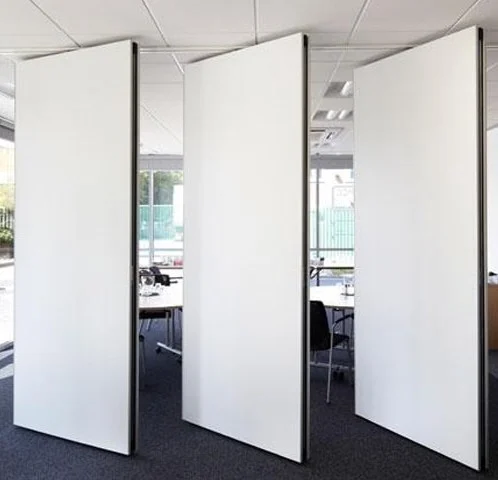
Review the board in the same meeting as the drawing review. If an assumption cannot be confirmed, record the reason and the next action rather than leaving the status blank.
Evidence Boundaries: What the Register Cannot Confirm
Project review term: architect coordination interface assumption register.
The register tracks assumptions. It does not create performance evidence.
Any acoustic requirement must be confirmed against project-specific documentation and the supplier’s reviewed configuration.
Evidence note: The register is a coordination record. Every performance, support, and dimensional statement still requires project-specific confirmation from the responsible discipline or supplier.
Coordinating Across Disciplines Without Creating False Certainty
Coordination scope: architect coordination interface assumption register.
Different disciplines use different vocabulary for the same interface. The register should translate these into one assumption statement that all parties can confirm or reject.
When a pass-door requirement exists, record it as a separate interface item with its own owner and confirmation path. Project documentation can be discussed with the supplier, but the register should not imply that a pass-door detail is resolved until the relevant drawing is coordinated.
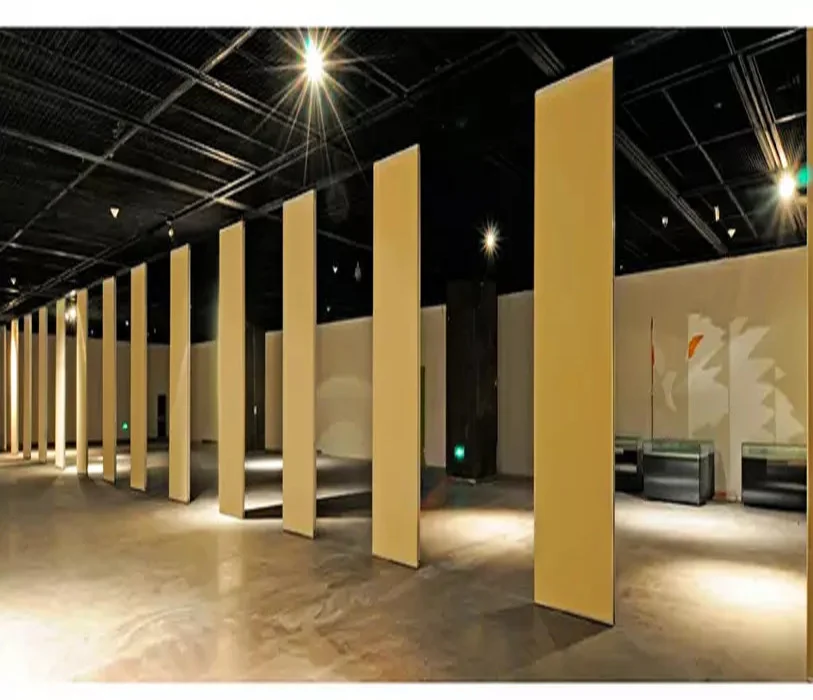
Use the movable walls product page as a maintained reference for product context, and the resources page for general planning material. Neither replaces project-specific drawing review.
Frequently Asked Questions
What is an interface assumption register for movable partition walls?
It is a design-phase log that records every track, stack, and ceiling assumption affecting the partition, assigns an owner, and tracks confirmation status. It supports coordination but does not replace drawings or project-specific engineering review.
Who should own the verification status board?
The architect or lead designer typically maintains the board, but each assumption has a discipline owner responsible for confirmation. The specialist supplier reviews route feasibility and returns comments on the layout.
Can the register confirm acoustic performance?
No. The register tracks coordination status. Do not treat a register entry as performance evidence.
How often should the board be reviewed?
Review it at each coordination milestone and whenever the layout changes. Pending items should carry a target date and an owner so they remain visible before drawings are issued for construction.
What happens if a track route assumption is rejected?
A rejected entry triggers a design revision. The team should record the reason, update the affected drawing, and reissue the assumption for review. The exact route, junction arrangement, continuous overhead path and parking position must be confirmed from the coordinated project drawings.
Does the register need to include finish selections?
Confirm project-specific requirements separately.
Conclusion: Make Unresolved Assumptions Visible Before They Become Site Conflicts
A register and verification status board give the project team a shared view of what is confirmed and what remains open. They do not replace engineering, acoustic, or dimensional confirmation. They make the need for that confirmation visible early, when changes are still inexpensive to coordinate.
Start by logging the track, stack, and ceiling assumptions already present in the design set. Assign owners. Hand the register to the specialist supplier with the layout. Review the board at every coordination milestone. For project-specific support, acoustic, and dimensional requirements, contact the EBUNGE team to discuss your drawings and documentation.