
Quick answer: interface assumption expiry
Review focus: interface assumption expiry.
An architect coordination interface assumption expiry reconfirmation cadence is a design-phase discipline: every interface assumption made by the architect, contractor or owner is logged with an owner, a date and an expiry trigger, then formally reconfirmed before it is used for procurement or installation. On movable partition wall projects, this cadence prevents stale assumptions about the opening, the overhead route and the parking position from silently becoming construction reality.
This framework is written for overseas contractors, architects, interior designers, owners, renovation companies, distributors and construction teams. It is evidence-bounded: it explains how to coordinate, not what performance a specific partition will achieve. The exact route, junction arrangement, continuous overhead path and parking position must be confirmed from the coordinated project drawings..
Why Interface Assumptions Expire on Movable Partition Projects
Project review term: interface assumption expiry.
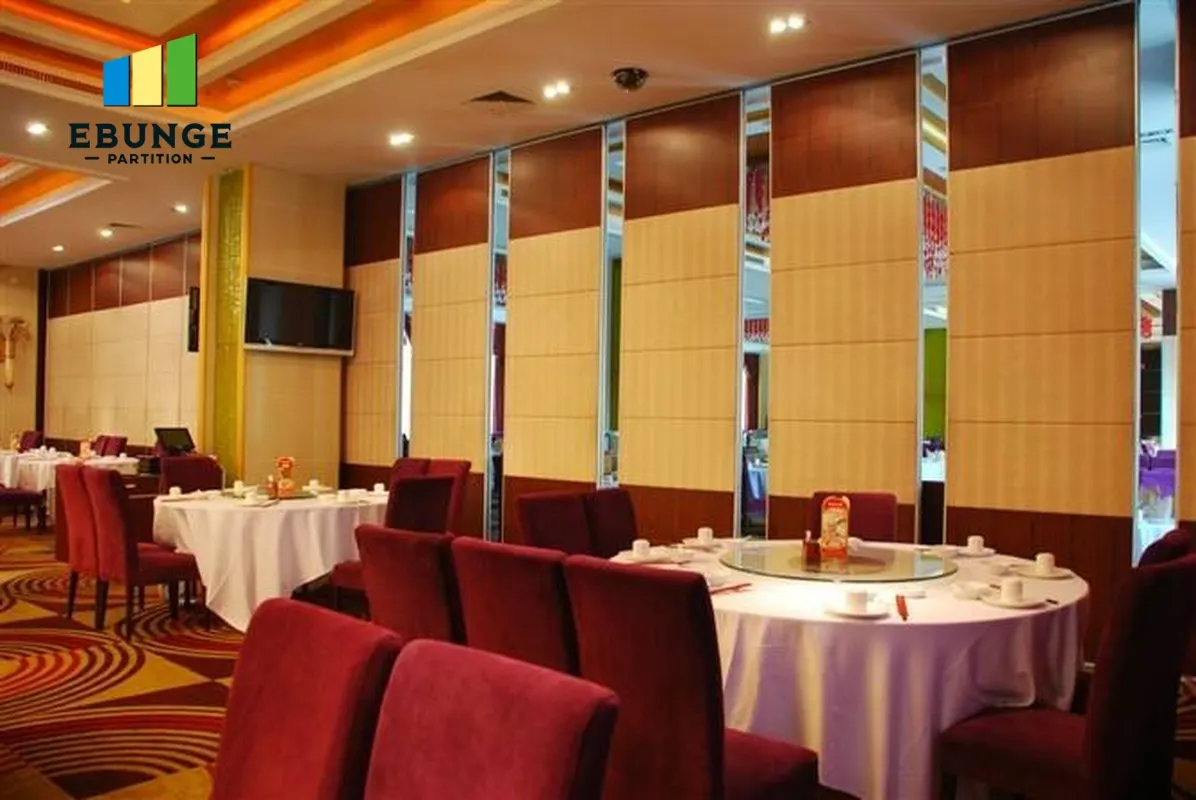
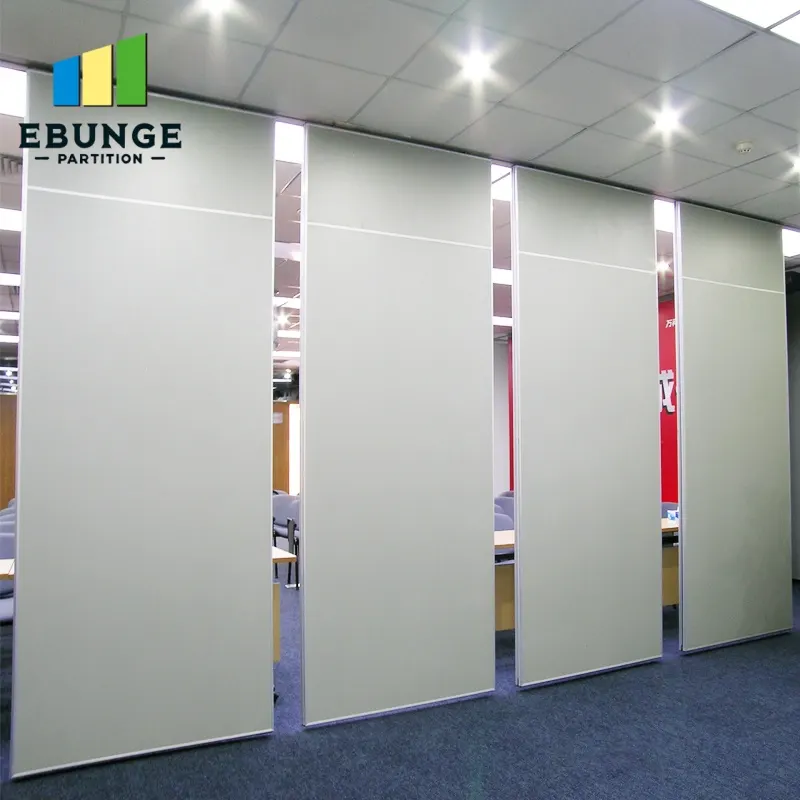
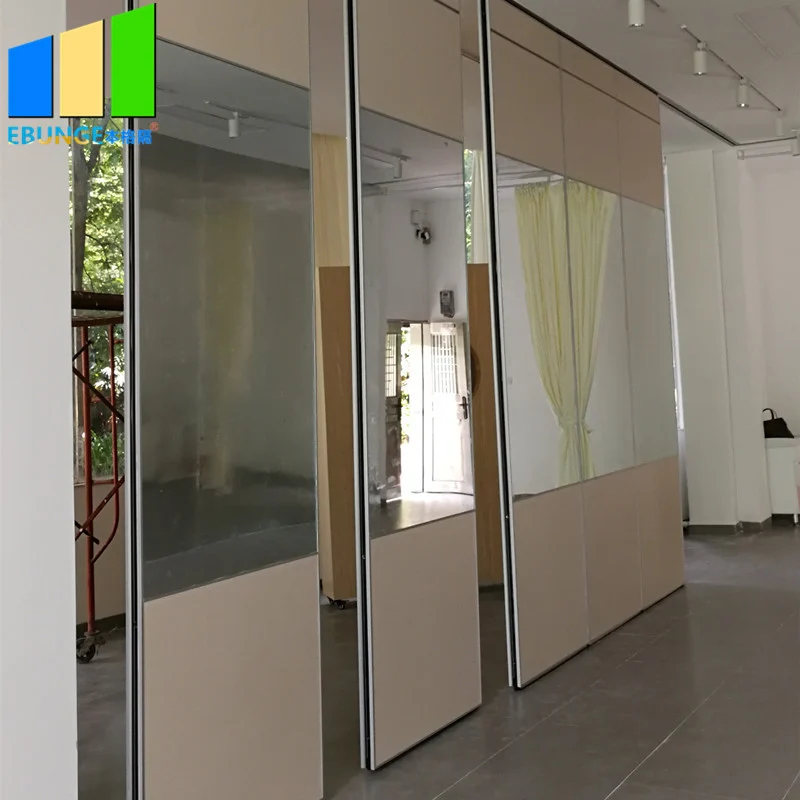
A movable partition is not a fixed wall. EBUNGE movable wall panels are individually movable, suspended from a top track, cross the opening without a floor track, and park at a planned stacking position. The exact route, junction arrangement, continuous overhead path and parking position must be confirmed from the coordinated project drawings.
Each interface is owned by a different party and each can change after the first coordination meeting. A ceiling zone is redesigned, a door position shifts, a finish is substituted. The assumption made in week two may be invalid by week ten. Without an expiry mechanism, nobody notices until the panels arrive.
The difference between a decision and an assumption
A decision is confirmed by the responsible party and recorded. An assumption is a placeholder that looks like a decision. The cadence framework exists to convert assumptions into decisions before they harden into procurement.
Building the Interface Assumption Register
Coordination scope: interface assumption expiry.
Start with a single register, not a set of disconnected meeting notes. Each row should carry a short description, the responsible party, the date raised, the expiry trigger and the reconfirmation status. Keep it visible to all disciplines.
| Interface item | Typical assumption | Expiry trigger |
|---|---|---|
| Overhead route | Continuous connected route exists above the opening | Structural or ceiling drawing revision |
| Parking position | Stacking zone is available and clear | Layout or furniture plan change |
| Opening width and height | Clear dimensions match the current plan | Any architectural revision |
| Finish selection | Laminate, melamine, fabric, leather, glass or another approved surface | Interior design substitution |
| Pass-door need | Pass-door requirement is known | Operational brief change |
The register is not a performance document. It records coordination status only. The suitability of each route and parking arrangement depends on the approved layout, circulation, ceiling interfaces and operating sequence.
Setting Expiry Triggers Instead of Fixed Dates
Checklist focus: interface assumption expiry.
Fixed review dates are weak because they are disconnected from design change. Expiry triggers are stronger: they fire when the underlying condition changes. A drawing revision, a finish substitution or a change in room use should automatically reopen the affected assumption.
Trigger categories worth tracking
- Drawing revisions that touch the opening, ceiling or adjacent structure.
- Finish schedule substitutions that affect the visible surface.
- Operational changes that introduce or remove a pass-door requirement.
- Cost and maintenance requirements depend on the selected configuration, finish and project conditions and require project-specific confirmation.
When a trigger fires, the assumption returns to open status and must be reconfirmed by its owner. This is the core of the cadence.
The Reconfirmation Cadence in Practice
Review focus: interface assumption expiry.
A cadence is a rhythm, not a single review. The following sequence keeps the register current without adding unnecessary meetings.
- Log every interface assumption at the first coordination session.
- Assign an owner and an expiry trigger to each row.
- Review open assumptions at each design milestone.
- Reconfirm or revise each assumption before it is used downstream.
- Close the row only when the responsible party confirms it in writing.
- Reopen any row affected by a later design change.
This sequence works for straight, turning and stacking routes because each route is reviewed from the layout rather than assumed from a generic detail.
Coordinating Finishes, Pass Doors and Documentation
Finish coordination is often treated as a late cosmetic decision, but it affects the interface register because the finish is part of the visible design intent. Confirmed finish options include laminate, melamine, fabric, leather, glass and other approved surfaces. A substitution should reopen the finish row.
Pass-door requirements and project documentation can be discussed with the supplier. Treat these as coordination items, not as performance evidence.
What to confirm with the project team
Before any assumption is closed, confirm the project-specific support, acoustic and dimensional requirements with the responsible engineer or consultant. The register records that confirmation; it does not replace it.
Evidence Boundaries for Acoustic and Structural Statements
Visible references can support layout discussion but do not verify hidden construction or performance.
Evidence note: this framework does not establish acoustic, fire, durability, load or commercial performance. Those conclusions require matching project evidence and confirmation by the responsible parties.
Where a statement is comparative, absolute or causal, it needs corresponding evidence. Otherwise, state the exact project-specific confirmation boundary instead.
Common Coordination Failures and How the Cadence Prevents Them
Most failures are not technical; they are procedural. The cadence prevents this by making expiry visible.
- Assumption treated as decision: prevented by written owner confirmation.
- Stale layout used for parking: prevented by layout-change triggers.
- Finish substitution missed: prevented by finish-row reopening.
- Route discontinuity discovered late: prevented by route review at each milestone.
- Documentation gap at handover: prevented by closing rows only with records.
None of these steps require a performance claim. They require discipline and a shared register.
Frequently Asked Questions
What is an interface assumption in movable partition coordination?
It is a placeholder decision about how the partition meets the building, such as the overhead route, parking position or opening dimensions, that has not yet been confirmed by the responsible party.
How often should assumptions be reconfirmed?
The trigger matters more than a fixed calendar date.
Does the cadence guarantee acoustic performance?
No. The cadence is a coordination process.
Can panels cross a gap without a floor track?
Panels are top-hung and cross the opening without a floor track, but every proposed movement path requires a continuous connected overhead route and project-specific support review.
Which finishes can be coordinated?
Confirmed options include laminate, melamine, fabric, leather, glass and other approved surfaces. A finish example is not evidence of cleaning compatibility or performance.
Who should own the assumption register?
The project team should agree a single owner, often the design coordinator, while each row has its own responsible party for reconfirmation.
Conclusion and Next Step
An architect coordination interface assumption expiry reconfirmation cadence turns scattered assumptions into a managed register with owners, triggers and written confirmations. It keeps the overhead route, parking position, opening dimensions, finish selection and pass-door requirement aligned with the current design.
Use the register alongside the maintained product information at movable wall systems and the planning guidance in the resources library. When your drawings are ready, contact the EBUNGE team to discuss project-specific support, acoustic and dimensional requirements.