
Quick answer: interface assumption dependency mapping
Review focus: interface assumption dependency mapping.
An architect coordination interface assumption dependency mapping movable partition exercise is a design-phase method for recording how track, stack, and ceiling assumptions constrain one another before anyone treats them as confirmed. It is not a performance calculation and it is not a substitute for project-specific engineering review. Its value is visibility: it shows which decisions are still open, which ones depend on others, and which ones must be resolved by drawings, not by assumption.
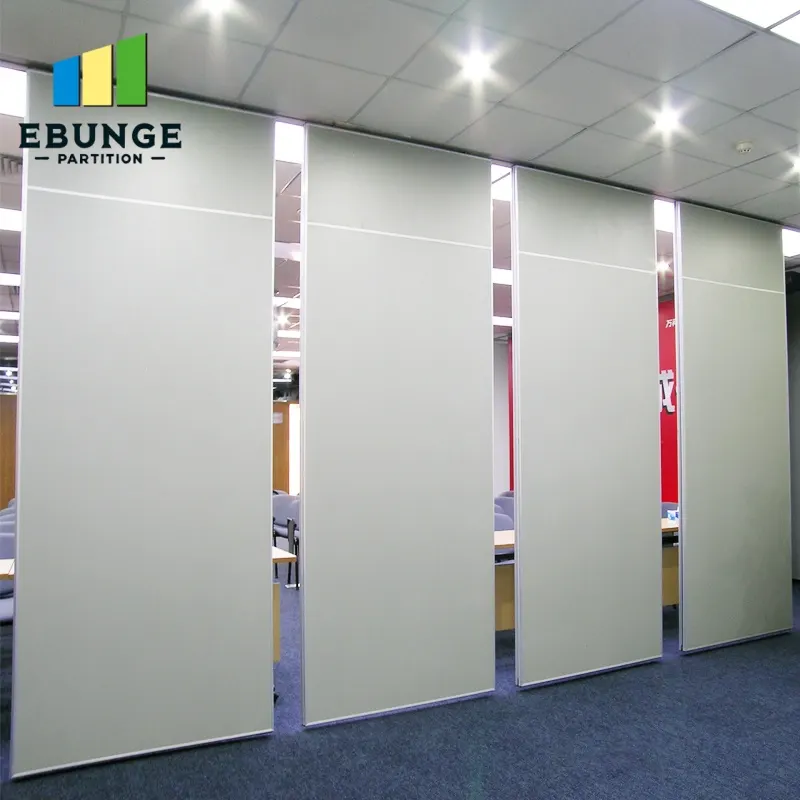
Movable wall panels are individually movable, suspended from a top track, cross the opening without a floor track, and park at a planned stacking position. That single sentence already contains three interface families: the overhead route, the parking zone, and the surrounding construction. Each one can quietly redefine the other two.
Why Assumption Mapping Belongs in the Design Phase
Project review term: interface assumption dependency mapping.
Most coordination friction does not come from a missing product decision. It comes from a decision made in one discipline that silently changes the boundary conditions of another. A ceiling zone assumed to be clear may later receive services. A parking position assumed to be available may later be claimed by joinery or a door swing.
Mapping assumptions early does not remove the need for confirmation. It makes the confirmation list honest. Teams can see which items are facts, which are intentions, and which are still placeholders waiting on drawings.
What the map is not
The suitability of each route and parking arrangement depends on the approved layout, circulation, ceiling interfaces and operating sequence. It does not prove that a route works. It only records that a route has been proposed and identifies what must be checked before it can be relied upon.
The Three Interface Families and Their Dependencies
Coordination scope: interface assumption dependency mapping.
Track, stack, and ceiling are convenient labels, but the dependencies run in both directions. A change in any one family should trigger a review of the other two.
Track assumptions
The top track defines the overhead route. Straight, turning, and stacking routes are reviewed from the layout. The exact route, junction arrangement, continuous overhead path and parking position must be confirmed from the coordinated project drawings.
Stack assumptions
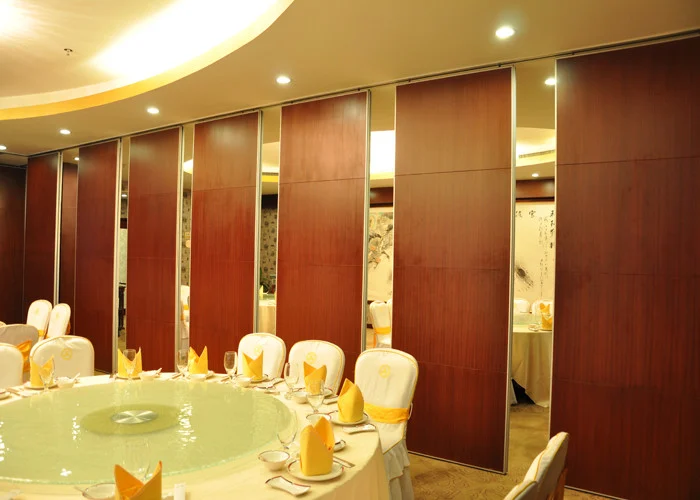
Parking style is customized to the customer layout and project requirements and may support compact stacking when the coordinated design permits it. The stacking position is therefore a design decision, not a default. It depends on the route, the available zone, and the surrounding construction.
Ceiling assumptions
The ceiling zone is where the overhead route meets structure, services, and finishes. A ceiling assumption is only useful if it states what is above, what is below, and what is still unresolved. Without that, it is a hope rather than an interface.
A Numbered Process for Building the Dependency Map
Checklist focus: interface assumption dependency mapping.
- List every assumption as a sentence. Write each one so a reviewer can agree or disagree without interpretation.
- Tag each assumption by family. Mark it as track, stack, ceiling, or surrounding construction.
- Draw the dependency arrows. If assumption B cannot be confirmed until assumption A is fixed, draw the arrow from A to B.
- Mark the evidence status. Label each item as confirmed, pending drawing, or placeholder.
- Identify the constraint chain. Follow the arrows to find which single assumption currently blocks the most others.
- Assign a review owner. Name the discipline responsible for closing each open item.
- Re-run the map after each design change. A map that is not updated becomes a false record.
Decision Checklist Before Any Confirmation
Review focus: interface assumption dependency mapping.
- Is the proposed movement route continuous and connected overhead, with no untracked gap?
- Is the parking position shown on the layout and agreed as a zone, not just a direction?
- Are ceiling assumptions stated in terms of what is above and below, not just a finish level?
- Are pass-door requirements recorded where they affect the layout?
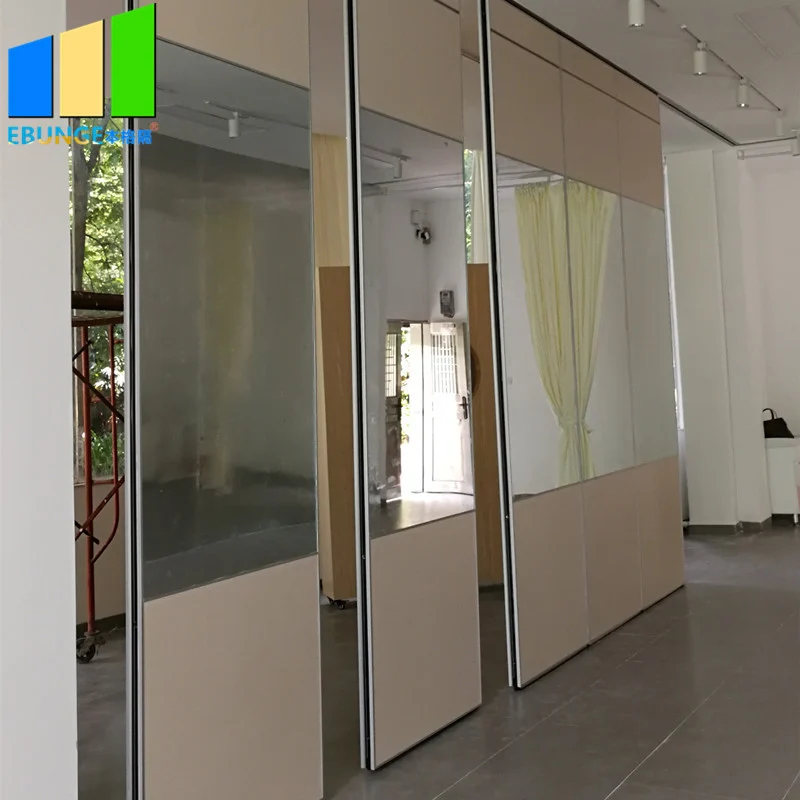
- Are finish options selected from confirmed options such as laminate, melamine, fabric, leather, glass, and other approved surfaces?
- Is every performance-related item left open until project-specific evidence is supplied?
- Is the project documentation list agreed with the supplier before fabrication planning?
Compact Comparison: Assumption Types and Their Review Triggers
| Assumption type | Typical dependency | Review trigger |
|---|---|---|
| Track route | Depends on layout geometry and overhead continuity | Any change to opening width or turning point |
| Stack position | Depends on route and available zone | Any change to adjacent joinery or door swing |
| Ceiling zone | Depends on services and structure coordination | Any change to ceiling void or finish level |
| Finish selection | Depends on approved surface list | Any change to design intent or sample approval |
Evidence Boundaries and Acoustic Concepts
A rating value belongs to a tested assembly, not to a finish or a drawing.
Seals and acoustic concepts can be explained generically, but the actual performance of any project configuration requires matching project-specific evidence. Visible references can support layout discussion but do not verify hidden construction or performance.
Evidence note: this framework records assumptions and dependencies. It does not confirm structural capacity, acoustic performance, or dimensional fit. Those items remain open until project-specific documentation is reviewed and accepted.
How to Use the Map in Coordination Meetings
Bring the map to the meeting as a single page. Walk the constraint chain from the most blocking assumption outward. Ask each discipline to confirm only what it can support with a drawing or a written decision.
When an item cannot be confirmed, leave it visibly open. An open item is more useful than a false confirmation because it keeps the dependency chain intact.
Documentation to request
Project documentation can be discussed with the supplier, including layout drawings, reflected ceiling information, and interface notes. The goal is to align the assumption map with the documents that will actually govern fabrication and installation planning.
For product context, review the movable wall systems page. For broader planning material, see the resources section.
FAQ
What is architect coordination interface assumption dependency mapping for movable partitions?
It is a design-phase method for recording track, stack, and ceiling assumptions and showing how they constrain one another before confirmation.
Does the map replace project-specific engineering review?
No. The map organizes open items.
Can a movable partition route cross an untracked gap?
No. Every proposed movement path requires a continuous connected overhead route and project-specific support review.
How should acoustic ratings be treated in the map?
Provide the current layout, opening dimensions, ceiling information, intended room use, and relevant project drawings for review. The exact overhead route and support arrangement must be confirmed by the responsible project team from coordinated drawings.
When should the map be updated?
After every design change that affects the route, the parking zone, the ceiling zone, or the approved finish list.
What finish options can be recorded?
Confirmed options include laminate, melamine, fabric, leather, glass, and other approved surfaces. Project-specific suitability still requires confirmation.
Conclusion and Next Step
Assumption dependency mapping does not make decisions for the project team. It makes the decisions visible, ordered, and reviewable.
Keep the map current, keep evidence boundaries explicit, and confirm project-specific support, acoustic, and dimensional requirements before relying on any assumption. To discuss pass-door requirements, project documentation, or a specific layout, contact the EBUNGE team.