
Quick answer: architect coordination interface assumption challenge window discipline response deadline
Review focus: architect coordination interface assumption challenge window discipline response deadline.
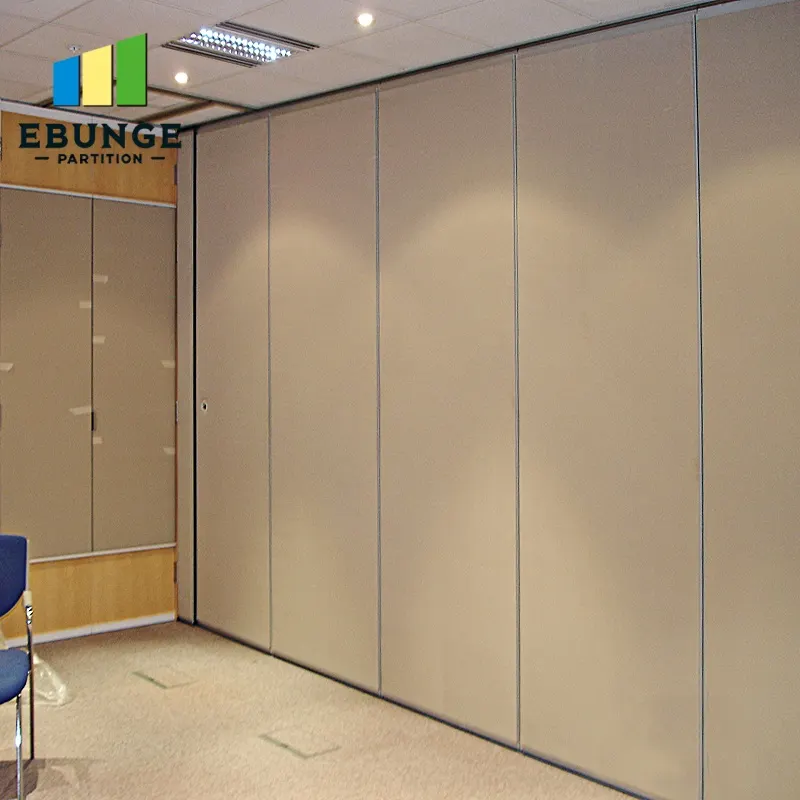
An architect coordination interface assumption challenge window discipline response deadline calendar is a design-phase control tool. It gives every discipline a defined moment to contest assumptions about the overhead route, parking position and ceiling interface before drawings are issued. Movable partition panels are individually movable, suspended from a top track, cross the opening without a floor track and park at a planned stacking position. Those four facts create coordination dependencies that cannot be resolved by a single trade in isolation.
This framework is written for overseas contractors, architects, interior designers, owners, renovation companies, distributors and construction teams. It does not replace project-specific support, acoustic or dimensional confirmation. It simply sequences when those confirmations must happen.
Why Interface Assumptions Need a Challenge Window
Project review term: architect coordination interface assumption challenge window discipline response deadline.
Movable partition design fails coordination when assumptions harden into drawings. A ceiling zone assumed to be clear may later host services. A stacking position assumed to be available may conflict with egress or furniture layouts. The exact route, junction arrangement, continuous overhead path and parking position must be confirmed from the coordinated project drawings.
A challenge window is a scheduled period when other disciplines may formally question those assumptions. It is not an open-ended review. It has a start, a close and a defined evidence expectation. The goal is to surface contested items while change is still inexpensive.
What Counts as a Contested Assumption
- Overhead route continuity from the opening to the parking position.
- Stacking footprint and its relationship to adjacent walls, columns or openings.
- Ceiling zone available for the top track and its supporting structure.
- Finish selection and whether it affects adjacent material transitions.
- Pass-door location and its relationship to the panel route.
Building the Discipline Response Deadline Calendar
Coordination scope: architect coordination interface assumption challenge window discipline response deadline.
A response deadline calendar assigns each discipline a date by which it must confirm, reject or request more information on a contested assumption. The calendar is most useful when it is published alongside the drawing issue schedule, not after it.
Straight, turning and stacking routes are reviewed from the layout. That review should happen before the challenge window closes, because route changes can affect several disciplines at once.
Step-by-Step Calendar Construction
- List every interface assumption that affects the partition route, stacking position or ceiling zone.
- Assign each assumption to the discipline that owns the primary risk.
- Set a challenge window opening date, ideally before coordinated drawing issue.
- Set a discipline response deadline for each owner, allowing review time before the window closes.
- Record unresolved items and carry them into the next coordination cycle.
Track, Stack and Ceiling: The Three Contested Zones
Checklist focus: architect coordination interface assumption challenge window discipline response deadline.
Most coordination disputes cluster around three zones. Treating them separately keeps the calendar readable.
| Zone | Typical assumption | Who should respond |
|---|---|---|
| Top track route | The overhead path is continuous and supported | Structural and architectural teams |
| Stacking position | The parking area is available and sized for the layout | Architect, owner and interior designer |
| Ceiling interface | The ceiling zone can accept the track and adjacent services | Ceiling, MEP and architectural teams |
This table is a coordination prompt, not an engineering conclusion. Each row still requires project-specific review.
Evidence Boundaries for Acoustic and Dimensional Claims
Review focus: architect coordination interface assumption challenge window discipline response deadline.
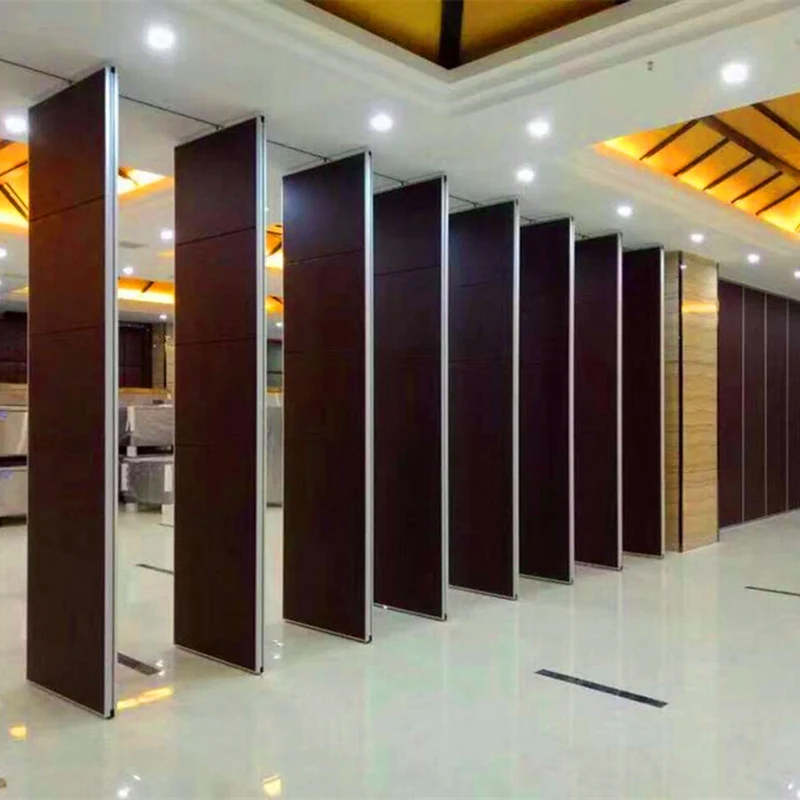
The suitability of each route and parking arrangement depends on the approved layout, circulation, ceiling interfaces and operating sequence. A partition’s acoustic behaviour depends on the complete assembly, the interface details and the project conditions. EBUNGE does not publish a universal acoustic result for every configuration.
Dimensional claims follow the same rule. Panel sizes, stacking depth and track layout depend on the coordinated design. Confirm project-specific support, acoustic and dimensional requirements with the relevant discipline before relying on any figure.
Evidence Note
Confirmed EBUNGE facts cover top-hung movement, no continuous floor track, planned parking and finish options including laminate, melamine, fabric, leather, glass and other approved surfaces. They do not include panel cores, seal materials, test values or installation manpower. Those items require separate project evidence.
Running the Challenge Window Without Stalling the Programme
Project review term: architect coordination interface assumption challenge window discipline response deadline.
A challenge window can become a bottleneck if it has no closure rule. Use a simple rule: if a discipline does not respond by its deadline, the assumption is recorded as unconfirmed and escalated. It is not silently accepted.
It also protects the architect from inheriting unresolved risk at drawing issue.
Decision Checklist for the Window Owner
- Is every contested assumption assigned to a named discipline?
- Does each discipline have a realistic response deadline?
- Are route, stacking and ceiling items reviewed together?
- Are unresolved items visible to the project lead?
- Is the next review date already scheduled?
Documentation and Pass-Door Coordination
Pass-door requirements and project documentation can be discussed as part of the coordination workflow. The pass-door position should be checked against the panel route and stacking plan, because it affects how panels move and park.
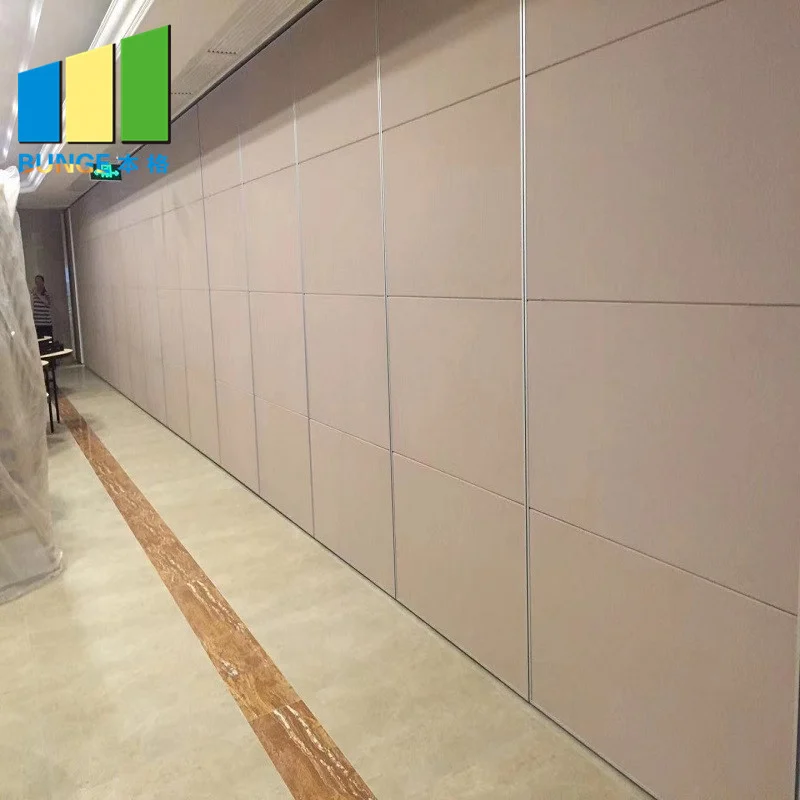
Finish options such as laminate, melamine, fabric, leather, glass and other approved surfaces may also affect adjacent material transitions. Confirm these selections within the same challenge window rather than after drawing issue.
Frequently Asked Questions
What is an interface assumption challenge window?
It is a scheduled period when other disciplines may formally question design assumptions about the partition route, stacking position or ceiling interface before drawings are issued.
Who owns the discipline response deadline?
The project lead or architect usually maintains the calendar, but each discipline owns its own response. The deadline is only useful if non-response has a defined consequence.
Can movable partitions cross a gap without a track?
No. Panels are suspended from a top track and require a continuous connected overhead route. Every proposed movement path needs project-specific support review.
Do I need to confirm acoustic performance during coordination?
Acoustic requirements should be identified early, but the specific performance depends on the complete assembly and project conditions. Confirm project-specific acoustic requirements with the relevant discipline.
When should stacking position be decided?
Stacking position should be resolved during the challenge window, before drawing issue, because it affects layout, egress and adjacent trades.
What documentation is useful for coordination?
Layout drawings, ceiling zone information, route plans and finish selections are useful starting points. Pass-door requirements and project documentation can be discussed with EBUNGE as part of the workflow.
Conclusion and Next Step
A challenge window and discipline response deadline calendar turns contested assumptions into scheduled decisions. It does not guarantee outcomes, but it reduces the chance that track, stack or ceiling conflicts appear after drawing issue.
Review the movable wall systems and the project resources for maintained product context. Then contact EBUNGE to discuss pass-door requirements, project documentation and coordination questions for your specific layout.