
Quick answer: architect coordination interface assumption challenge log movable partition
Review focus: architect coordination interface assumption challenge log movable partition.
An architect coordination interface assumption challenge log movable partition is a design-phase register that records every interface assumption a discipline has formally contested before drawings are issued. It is not a meeting note. It is a controlled list of unresolved track, stack and ceiling conditions, each with an owner, a status and a required confirmation. The log protects the project from drawing issue based on silent assumptions.
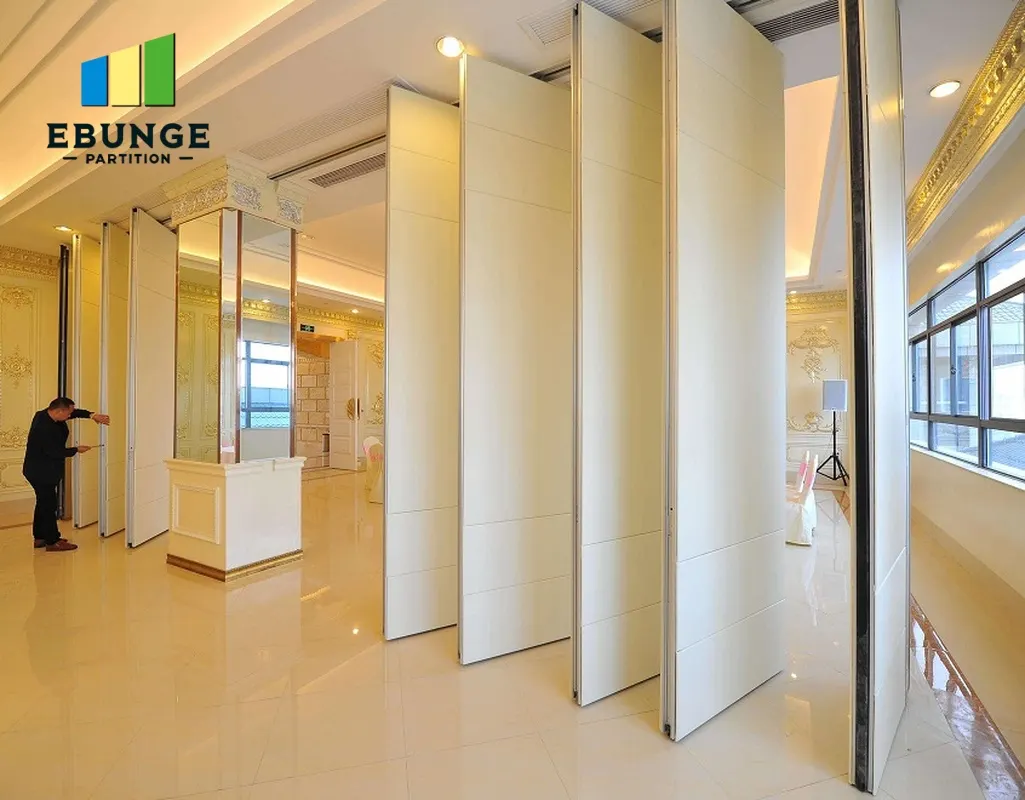
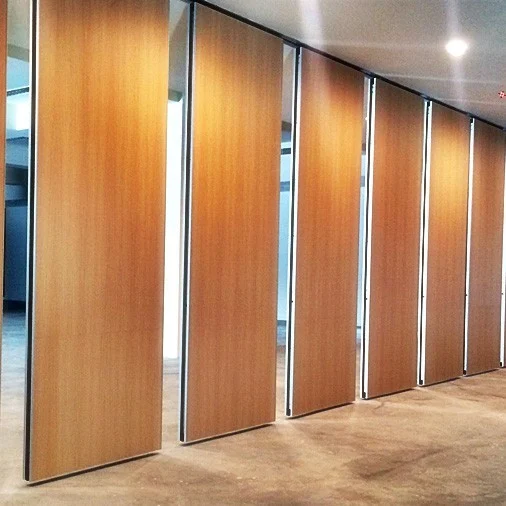
Movable wall panels are individually movable, suspended from a top track, cross the opening without a floor track, and park at a planned stacking position. Straight, turning and stacking routes are reviewed from the layout. Those four facts create interface questions that belong to more than one discipline. The challenge log makes those questions visible.
Why a Challenge Log Beats a Coordination Meeting Alone
Project review term: architect coordination interface assumption challenge log movable partition.
Coordination meetings produce verbal agreement. Verbal agreement disappears when the meeting ends. A challenge log keeps the disagreement alive until evidence resolves it. Each entry states the assumption, the discipline contesting it, the evidence required and the date by which the answer is needed.
The suitability of each route and parking arrangement depends on the approved layout, circulation, ceiling interfaces and operating sequence. Neither has formally contested the point. The log forces that contest into writing before the drawing set is issued.
Which Track Assumptions Must Be Contested
Coordination scope: architect coordination interface assumption challenge log movable partition.
The top track is the primary interface between the movable partition and the building structure. It is also the most common source of late design change. The challenge log should capture every assumption about the track route, its continuity and its support.
Route continuity and turning points
Every proposed movement path requires a continuous connected overhead route. If the layout shows a turn, the log must record who has confirmed that the overhead route remains connected through that turn. A gap in the route is not a design detail; it is a challenge entry.
Support structure ownership
The log should name the discipline responsible for confirming that the supporting structure is suitable for the track. Project-specific support requirements must be confirmed against the actual structure and layout.
Stacking and Parking Assumptions That Need Formal Challenge
Checklist focus: architect coordination interface assumption challenge log movable partition.
Parking style is customized to the customer layout and project requirements. It may support compact stacking when the coordinated design permits it. That flexibility is useful, but it also means the stacking position cannot be assumed from a standard detail.
Stack location and clearance
The log should record the planned stacking position, the clearance required to reach it and the discipline that has confirmed the space is available.
Interaction with adjacent finishes
Stacked panels may sit near wall finishes, ceilings, doors or services. The log should record who has checked that the stacking position does not conflict with those elements. This is a coordination question, not a product performance claim.
Ceiling Interface Assumptions and the Acoustic Boundary
Review focus: architect coordination interface assumption challenge log movable partition.
Visible references can support layout discussion but do not verify hidden construction or performance. Acoustic questions concern how the assembly is expected to perform.
A Numbered Process for Running the Challenge Log
Project review term: architect coordination interface assumption challenge log movable partition.
- Open the log at concept design. List every track, stack and ceiling assumption visible in the current drawings.
- Assign a discipline owner. Each entry names the discipline that must confirm, contest or escalate the assumption.
- State the evidence required. A confirmation is not valid without a drawing, calculation or written statement from the responsible discipline.
- Set a resolution date. The date must fall before the drawing issue milestone, not after it.
- Review at each coordination cycle. Closed entries stay closed only if the design has not changed.
- Carry open entries into the issued drawing set. Unresolved assumptions must be visible, not buried.
Decision Checklist Before Drawing Issue
- Has every track route been confirmed as continuous and connected?
- Has the supporting structure been reviewed by the responsible discipline?
- Is the stacking position confirmed against the layout and adjacent finishes?
- Are ceiling interface assumptions separated into structural and acoustic categories?
- Has the specialist supplier reviewed the layout for straight, turning and stacking routes?
- Are pass-door requirements and project documentation discussed with the supplier?
- Does every open challenge entry have an owner and a resolution date?
Evidence Note: What the Log Can and Cannot Prove
The challenge log records coordination status. Those require project-specific confirmation from the responsible disciplines and the specialist supplier.
Confirmed finish options include laminate, melamine, fabric, leather, glass and other approved surfaces. Those remain separate questions for the log.
How to Keep the Log Useful Across Disciplines
The log should be short enough to read in a coordination meeting and specific enough to prevent silent assumptions. Use one row per assumption. Avoid combining a track question with a ceiling question in the same entry. Different disciplines may need to answer them at different times.
When an entry is closed, record the evidence reference. When an entry is contested, record the reason. When an entry is deferred, record the risk. This discipline keeps the log credible and prevents it from becoming a list of unresolved wishes.
For product context, review the movable wall systems page. For broader planning guidance, see the resources section. To discuss pass-door requirements and project documentation, contact the EBUNGE team.
Frequently Asked Questions
What is an architect coordination interface assumption challenge log for movable partitions?
It is a design-phase register that records which track, stack and ceiling assumptions each discipline has formally contested before drawings are issued. It assigns an owner, evidence requirement and resolution date to each entry.
Who should own the challenge log?
The architect usually maintains the log, but each entry is owned by the discipline responsible for confirming or contesting that assumption. The specialist supplier contributes product and layout information.
Can the log confirm acoustic performance?
No. The log records coordination status.
What happens if a track route is not continuous?
Every proposed movement path requires a continuous connected overhead route. If the route is not continuous, the assumption must be contested and resolved before drawing issue.
How does the log handle stacking position?
The log records the planned stacking position, the clearance required and the discipline that has confirmed the space is available. Parking style is customized to the customer layout and project requirements.
When should the log be closed?
Open entries should be carried into the issued drawing set if they are not resolved. Closing the log prematurely hides assumptions that may affect track, stack or ceiling coordination.
Conclusion and Next Step
A challenge log turns silent assumptions into visible coordination tasks. It simply ensures that track, stack and ceiling assumptions are contested, owned and resolved before drawings are issued.
To discuss your project layout, pass-door requirements and documentation needs, contact EBUNGE. Confirm project-specific support, acoustic and dimensional requirements with the responsible disciplines before proceeding.