
Quick answer: architect coordination information release dependency map movable partition
Review focus: architect coordination information release dependency map movable partition.
An architect coordination information release dependency map movable partition is a design-phase tool that shows which partition decisions must be settled before each consultant can issue their next deliverable. The suitability of each route and parking arrangement depends on the approved layout, circulation, ceiling interfaces and operating sequence. This article explains how to build that map using confirmed product facts and clear evidence boundaries.
Why Parallel Release Creates Reconciliation Risk
Project review term: architect coordination information release dependency map movable partition.
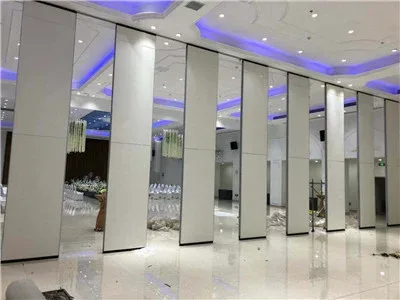
Movable wall panels are individually movable, suspended from a top track, cross the opening without a floor track, and park at a planned stacking position. Those four facts create dependencies that touch several disciplines at once. The top track needs a continuous overhead route. The stacking position needs a planned footprint. The ceiling zone needs to accommodate the track and the parking area without conflicting with services.
When these decisions are issued in parallel, each consultant may assume a different route or stack location. The result is not a single error but a set of drawings that cannot be built together. A dependency map prevents that by naming the decision owner and the release gate for each item.
Core Decisions That Gate Consultant Releases
Coordination scope: architect coordination information release dependency map movable partition.
Start by listing the partition decisions that other disciplines depend on. The map should distinguish between decisions that must be fixed before a release and decisions that can be developed later without blocking others.
Track Route and Support Interface
The straight, turning, and stacking routes are reviewed from the layout. Every proposed movement path requires a continuous connected overhead route and project-specific support review. The ceiling consultant cannot finalize bulkheads or service zones until the track zone is known.
Stacking Position and Parking Footprint
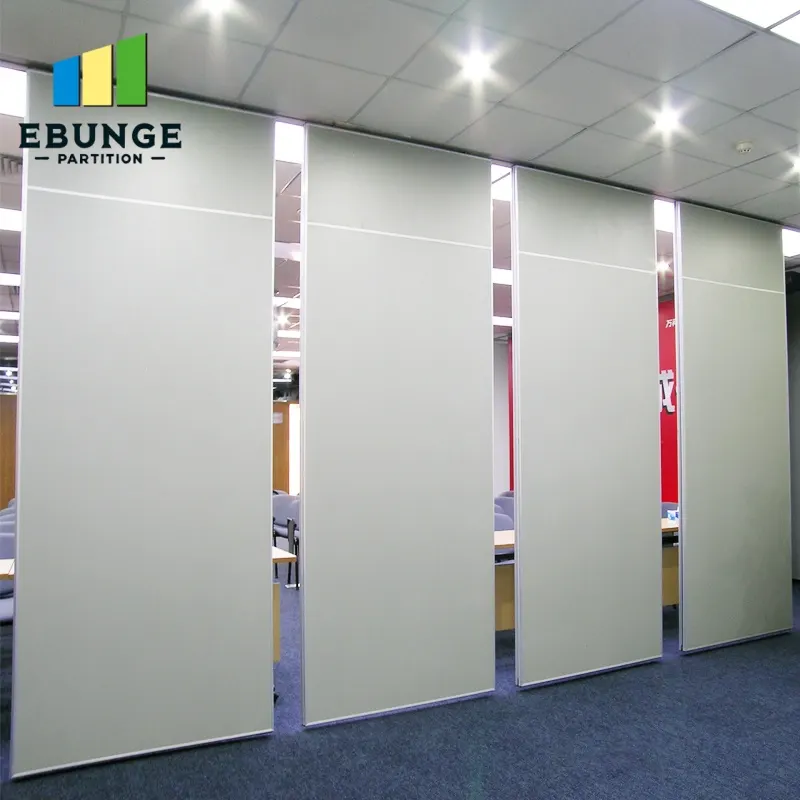
Parking style is customized to the customer layout and project requirements and may support compact stacking when the coordinated design permits it. The stack position affects floor space, adjacent room use, and ceiling clearance. It must be agreed before interior designers finalize furniture layouts and before services consultants route elements through the parking zone.
Ceiling Zone and Services Coordination
The ceiling zone carries the track, lighting, air devices, and sprinklers. The exact overhead route and support arrangement must be confirmed by the responsible project team from coordinated drawings. The map should show ceiling release as dependent on track route confirmation.
Building the Dependency Map: A Numbered Process
Checklist focus: architect coordination information release dependency map movable partition.
- List all partition-related decisions. Include track route, stack position, ceiling zone, finish selection, pass-door requirements, and documentation needs.
- Identify the decision owner. Assign each item to the discipline or party responsible for confirming it.
- Map downstream dependencies. For each decision, list which consultant deliverables depend on it.
- Set release gates. Define the point at which a decision is considered fixed enough for others to proceed.
- Record evidence boundaries. Note where project-specific confirmation is still required, such as support, acoustic, or dimensional requirements.
- Review at each design stage. Update the map as decisions are confirmed or revised.
Decision Checklist for Design-Phase Coordinators
Review focus: architect coordination information release dependency map movable partition.
- Is the track route continuous and connected across all proposed movement paths?
- Is the stacking position agreed and shown on the layout?
- Has the ceiling zone been coordinated with services and structure?
- Are finish options selected from confirmed options such as laminate, melamine, fabric, leather, glass, or other approved surfaces?
- Are pass-door requirements identified and discussed?
- Are project documentation needs defined?
- Have acoustic and dimensional requirements been flagged for project-specific confirmation?
Sequencing Track, Stack, and Ceiling Before Other Releases
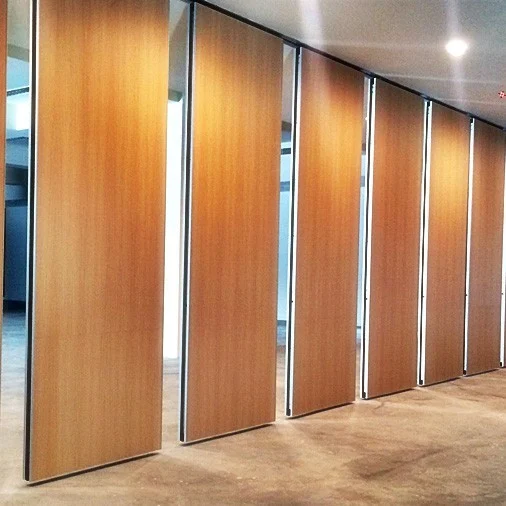
The map should show a clear order. Track route confirmation comes first because it defines the overhead path. Stack position confirmation comes next because it defines the parking footprint. Ceiling zone coordination follows because it must accommodate both. Only then should ceiling and services drawings be released as coordinated documents.
This sequence does not mean other disciplines stop working. It means their releases are gated by the partition decisions that affect them. Interior layouts can progress once the stack position is agreed.
Evidence Boundaries and Project-Specific Confirmation
An evidence-bounded map separates confirmed product facts from project-specific requirements. Confirmed facts include top-hung panels, no continuous floor track, customized parking, and finish options. Project-specific items include support, acoustic, and dimensional requirements. The map should mark these as requiring confirmation rather than assuming a value.
Do not reduce them to a simple number.
Common Coordination Gaps and How to Close Them
The exact route, junction arrangement, continuous overhead path and parking position must be confirmed from the coordinated project drawings. Every proposed movement path requires a continuous connected overhead route and project-specific support review. Finish selection does not confirm performance.
A third gap is releasing ceiling drawings before the track route is fixed. The map should make this dependency visible so the ceiling consultant knows what input is still pending.
FAQ
What is an architect coordination information release dependency map for movable partitions?
It is a design-phase tool that shows which partition decisions must be settled before each consultant can issue their next deliverable, sequencing track, stack, and ceiling information.
Which decisions should be settled first?
Track route confirmation comes first, followed by stacking position, then ceiling zone coordination. These gate the releases that depend on them.
Can movable partitions be used without a floor track?
Yes. EBUNGE movable partition panels are top-hung and move without a continuous floor running track or floor hardware along the partition line.
How should acoustic requirements be handled?
Confirm project-specific acoustic requirements with the appropriate evidence.
What finish options are available?
Confirmed finish options include laminate, melamine, fabric, leather, glass, and other approved surfaces. Selection does not confirm performance.
When should pass-door requirements be discussed?
Pass-door requirements and project documentation can be discussed during design coordination so they are included in the dependency map.
Conclusion and Next Steps
A dependency map turns movable partition coordination from a parallel release problem into a sequenced decision process. By fixing track, stack, and ceiling decisions in order, each consultant receives stable inputs and reconciliation work is reduced.
To discuss your project’s coordination needs, contact EBUNGE. Review the movable walls product page and the resources section for further planning context.